
Blog
What Makes a Smile Look Natural? Understanding Smile Design, Tooth Proportions and Facial Harmony
About the Dentist
Author: Dr. Amritha L – Founder
Orthodontist | Certified Invisalign Provider | Certified Aesthetic Dentist | Fellow in Advanced Aesthetic Dentistry
A natural-looking smile is not simply about having straight or white teeth. Tooth proportions, shape, alignment, gum display, smile arc and the relationship between the teeth and facial features all influence how a smile appears.
Smile designing brings these elements together to plan cosmetic dental improvements that complement the individual’s facial appearance rather than creating an overly uniform result.
For patients considering Smile Designing in Madurai, understanding tooth proportions, facial harmony and smile aesthetics can help set realistic treatment goals.
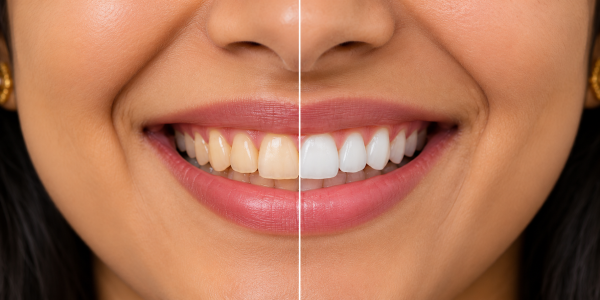
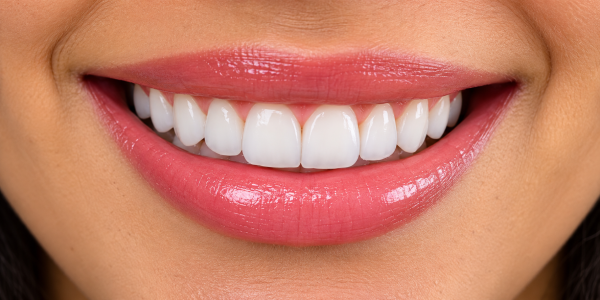
What Makes a Smile Look Natural?
A natural-looking smile usually depends on several features working together:
- Tooth size and proportion
- Tooth shape
- Tooth colour and translucency
- Alignment
- Gum symmetry
- Dental midline
- Smile arc
- Lip position
- Facial proportions
- Overall harmony between the teeth and face
No single feature determines whether a smile looks natural. The relationship between these elements creates visual balance.
Why Are Tooth Proportions Important in Smile Design?
Tooth proportions influence how balanced the front teeth appear.
The relationship between tooth width and height is particularly relevant when planning the upper front teeth. Teeth that appear too long, short, wide or narrow in relation to one another can affect the overall balance of the smile.
Smile design may consider:
- Width-to-height ratio
- Relative size of central and lateral incisors
- Tooth symmetry
- Incisal edge position
- Individual tooth shape
- Proportion between visible teeth
The goal is not necessarily to make every tooth identical. Natural teeth have subtle differences in shape and dimension.
What Is Facial Harmony in Smile Designing?
Facial harmony refers to the relationship between the smile and surrounding facial features.
Smile design may consider:
- Face shape
- Lip line
- Lip movement
- Facial proportions
- Jaw structure
- Smile width
A tooth shape or size that looks appropriate in one person may not create the same visual effect in another.
How Does Tooth Shape Affect a Natural Smile?
Tooth shape influences the overall character of a smile.
Common tooth forms include:
Square-Shaped Teeth
Square or rectangular teeth can create a structured appearance depending on their proportions and relationship with the surrounding facial features.
Rounded Teeth
Softer contours can create a more subtle appearance.
Triangular Teeth
Triangular tooth forms have more pronounced tapering toward the gumline.
The appropriate tooth shape depends on the existing teeth, facial characteristics and desired aesthetic result.
How Does Tooth Colour Affect Smile Aesthetics?
Whiter teeth do not automatically create a more natural smile.
Natural teeth have variations in colour, translucency and brightness. An excessively uniform or opaque shade can sometimes make teeth appear artificial.
Smile design may consider:
- Tooth shade
- Translucency
- Brightness
- Natural colour variation
- Relationship between tooth shade and overall appearance
The selected shade should complement the smile rather than simply aiming for the lightest possible colour.
What Is the Smile Arc?
The smile arc describes the relationship between the curvature of the upper front teeth and the contour of the lower lip during smiling.
A harmonious smile arc can contribute to a balanced smile.
The position of the incisal edges, tooth length and alignment can influence this relationship.
Why Is Gum Display Important in Smile Design?
The amount of gum visible while smiling can influence smile aesthetics.
Some people naturally show very little gum, while others display more gum tissue above the upper teeth.
Smile design may consider:
- Gum symmetry
- Gum contour
- Gum exposure
- Tooth-to-gum relationship
- Incisal edge position
Excessive gum display may require a different treatment approach depending on its underlying cause.
What Is the Role of the Midline in a Natural Smile?
The dental midline is the vertical line between the two upper central incisors.
Its relationship with the facial midline can influence perceived symmetry.
Smile design may evaluate:
- Dental midline
- Facial midline
- Central incisor symmetry
- Tooth angulation
- Incisal edge alignment
A small midline deviation does not necessarily make a smile unattractive. Overall balance remains an important consideration.
Does Smile Designing Mean Making Teeth Perfectly Symmetrical?
No.
Natural teeth have small variations in shape, position and colour. Making every tooth exactly identical can sometimes create an overly artificial appearance.
Modern smile design focuses on proportion, balance and facial harmony rather than creating identical teeth.
How Is Smile Designing Planned?
Smile designing generally involves several stages.
1
Step 1: Smile and Facial Assessment
The dentist evaluates the teeth, gums, lips and facial proportions.
2
Step 2: Dental Evaluation
Existing tooth structure, alignment, restorations, gum health and overall oral health are assessed.
3
step 3: Digital Records
Photographs, digital scans and other diagnostic records may be used to analyse the smile.
4
Step 4: Smile Analysis
Features such as tooth proportions, smile arc, dental midline, gum display and tooth visibility are evaluated.
5
Step 5: Treatment Planning
The appropriate cosmetic or restorative procedures are selected according to the patient’s dental condition and aesthetic goals.
6
Step 6: Treatment
Depending on the case, smile enhancement may involve:
- Veneers
- Dental bonding
- Teeth whitening
- Gum contouring
- Orthodontic treatment
- Crowns
- Combination treatments
Not every patient requires multiple procedures.
What Dental Treatments Can Be Used for Smile Designing?
Smile designing is not a single dental procedure. The treatment depends on the specific aesthetic concerns being addressed.
Teeth Whitening
Teeth whitening can improve tooth brightness and reduce certain types of staining.
Dental Veneers
Veneers are thin restorations placed over the front surfaces of teeth. They can be used to modify aspects such as tooth shape, size, colour and certain minor aesthetic concerns.
Dental Bonding
Composite resin can be used to make conservative changes to tooth shape, edges and proportions.
Gum Contouring
Gum contouring may be considered when gum shape or excessive gum display affects smile aesthetics.
Orthodontic Treatment
Aligners or braces may be used when tooth positioning or bite requires correction.
Crowns
Crowns may be considered when a tooth requires greater structural restoration along with aesthetic improvement.
Can Smile Designing Make Teeth Look Too Artificial?
It can, particularly when treatment focuses on extreme whiteness, highly uniform tooth shapes or proportions that do not complement the individual’s facial features.
A natural-looking result can involve:
- Appropriate tooth proportions
- Suitable tooth shape
- Natural colour characteristics
- Balanced symmetry
- Correct incisal edge position
- Facial compatibility
Smile design should take the individual’s existing anatomy and aesthetic goals into account.
Is Smile Designing Suitable for Everyone?
Smile designing can be considered for adults who want to improve specific aspects of their smile. The appropriate procedure depends on the condition of the teeth, gums and bite.
Conditions such as:
- Tooth decay
- Gum disease
- Significant tooth wear
- Active dental infections
- Severe malocclusion
- Insufficient tooth structure
may require treatment before cosmetic procedures.
How Long Does Smile Designing Take?
Treatment duration depends on the procedures involved.
A simple whitening or bonding treatment may require considerably less time than treatment involving veneers, orthodontics, gum procedures or multiple restorative treatments.
Factors affecting treatment time include:
- Number of teeth being treated
- Type of procedure
- Oral health
- Need for preparatory treatment
- Laboratory fabrication
- Orthodontic requirements
What Should You Consider Before Smile Designing?
Before undergoing cosmetic smile treatment, discuss:
- Desired changes
- Tooth proportions
- Expected shade
- Treatment options
- Amount of tooth preparation
- Longevity and maintenance
- Existing dental conditions
- Possible alternatives
The treatment plan should balance aesthetic goals with the health and structure of the teeth.
About Dr. Amritha L
Dr. Amritha L is an orthodontist with a strong academic foundation and a focus on aesthetic dentistry.
She completed her Bachelor of Dental Surgery (BDS) from SRM University, Chennai, followed by her Master of Dental Surgery (MDS) in Orthodontics from The Tamil Nadu Dr. M.G.R. Medical University.
She has also trained in aesthetic dentistry under leading mentors across India and holds a Fellowship in Advanced Aesthetic Dentistry from the Institute of Laser and Aesthetic Medicine.
Her practice combines orthodontic knowledge, aesthetic dentistry and modern digital dental technology for individualized smile treatment planning.
Planning a Natural Smile with Cosmetic Dental Treatment
For patients considering Smile Designing in Madurai, treatment planning can focus on how the teeth, gums, lips and facial features work together. At Dr. Amritha’s Dentistry, smile enhancement can be planned around individual facial characteristics, dental proportions and aesthetic goals.Depending on the case, treatment may involve one procedure or a combination of cosmetic, restorative and orthodontic approaches.
Conclusion
A natural-looking smile is created by more than straight, white teeth. Tooth proportions, shape, colour, gum display and facial harmony all contribute to a balanced smile. Understanding these factors helps patients make informed decisions about cosmetic dental treatments and set realistic expectations for their results.
For those considering Smile Designing in Madurai, the first step is a dental assessment to understand individual needs and suitable treatment options. At Dr. Amritha’s Dentistry, smile design planning can be tailored to each patient’s dental characteristics, facial features and aesthetic goals, with an emphasis on achieving a natural and harmonious appearance.
Frequently Asked Questions
A natural-looking smile depends on tooth proportions, shape, colour, alignment, gum symmetry, smile arc, lip position and facial harmony. These features work together to create visual balance.
Tooth proportions refer to the relationship between tooth height, width and the size of individual teeth within the smile. These proportions are considered when planning cosmetic dental treatment.
It can. Depending on the treatment, procedures such as veneers or dental bonding can modify tooth shape, length, width and contours.
Smile design focuses on the relationship between the teeth, gums, lips and facial features. Changes to tooth position, shape and proportions can influence the overall appearance of the smile.
No. Natural teeth have small differences in shape, position and colour. Smile design generally focuses on balance and proportion rather than perfect uniformity.
Depending on the patient's needs, smile designing may involve teeth whitening, veneers, dental bonding, gum contouring, orthodontic treatment, crowns or a combination of procedures.
Treatment time varies according to the procedures involved. Simple cosmetic treatments may take less time, while treatments involving veneers, orthodontics, gum procedures or multiple restorations may require a longer treatment period.
The longevity of a smile design depends on the procedures performed, oral hygiene, lifestyle, dental habits and regular dental care. Different cosmetic treatments have different maintenance requirements.
Not every cosmetic procedure is suitable for every patient. Tooth condition, gum health, bite, existing restorations and available tooth structure all influence treatment planning.
The cost varies according to the number of teeth treated, procedures involved and complexity of treatment. An individual treatment plan is required to provide an accurate estimate.
Consider the dentist's qualifications, experience in aesthetic dentistry, treatment planning approach, diagnostic technology and ability to explain treatment options and expected outcomes.
Contact Us
9003221393
Plot No. 25, S.L.C II Type, Vaigai Colony, Anna Nagar, Madurai PIN : 625020.
Author Credentials
Dr. Amritha L
Founder, Dr. Amritha’s Dentistry
Orthodontist
Certified Invisalign Provider
Certified Aesthetic Dentist
Fellow in Advanced Aesthetic Dentistry
BDS – SRM University, Chennai
MDS – Orthodontics – The Tamil Nadu Dr. M.G.R. Medical University