
Periodontal Care
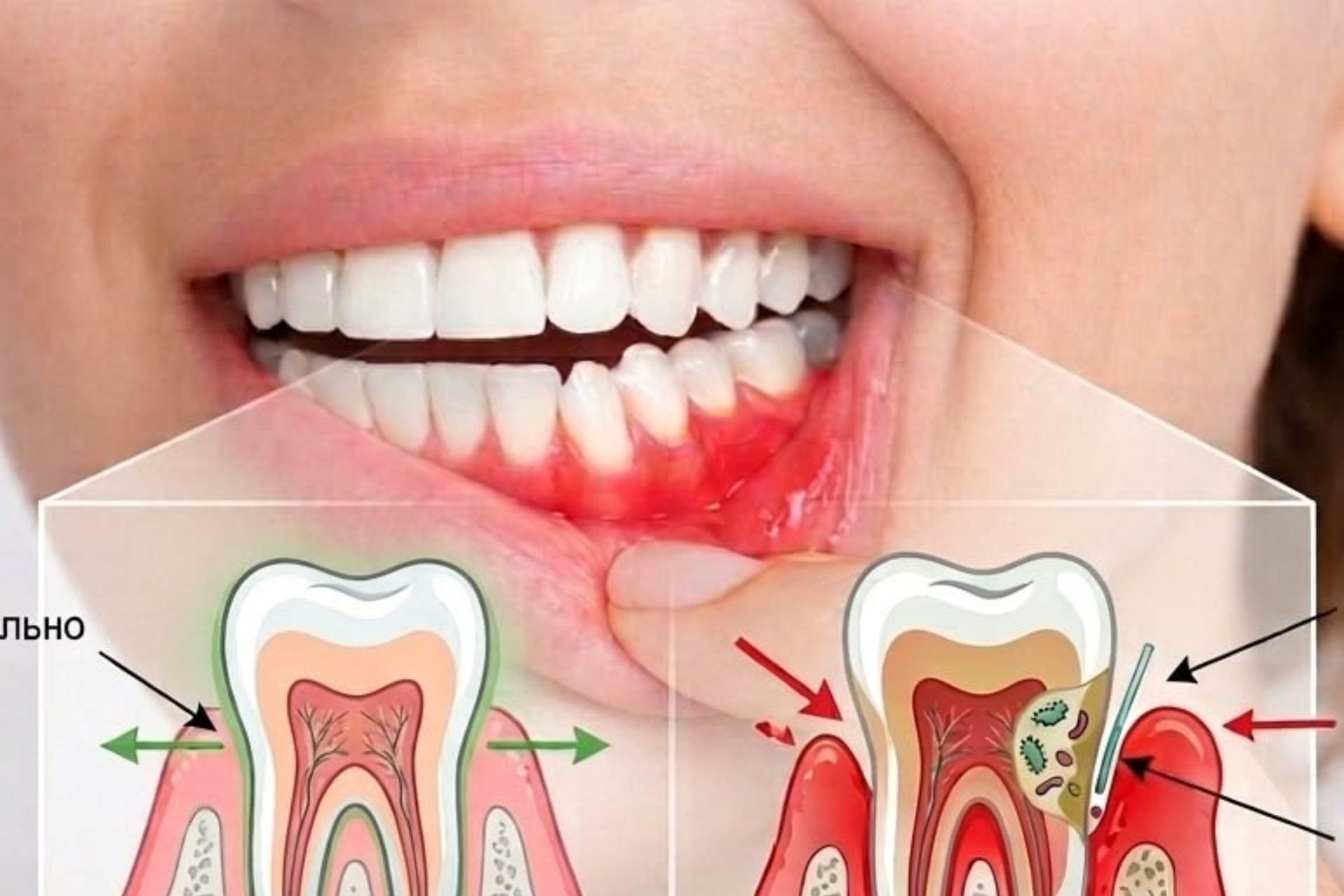
Periodontal Care in Anna Nagar, Madurai
Protect Your Gums Before Problems Progress
Healthy gums do more than surround your teeth. They provide the supporting foundation that helps keep teeth stable and contribute to overall oral health.
Periodontal care focuses on preventing, identifying and managing conditions that affect the gums and other tissues supporting the teeth.
If you notice bleeding while brushing, swollen gums, persistent bad breath, gum recession or changes in how your teeth feel, these symptoms should not simply be considered normal.
At Dr. Amritha’s Dentistry, Periodontal Care in Anna Nagar, Madurai can be planned according to the condition of your gums, teeth and supporting tissues.
What Is Periodontal Care?
Periodontal care is the professional management of the gums and supporting structures around the teeth.
It can involve:
- Assessing gum health
- Identifying inflammation
- Managing plaque and tartar
- Treating gum disease
- Monitoring periodontal health
- Supporting healthy oral hygiene
- Maintaining the results of gum treatment
The appropriate approach depends on whether your gums are healthy, mildly inflamed or affected by more advanced periodontal disease.
Why Is Gum Health Important?
Your gums form part of the supporting system around your teeth.
When gum inflammation continues for a long time, the tissues supporting the teeth can become affected.
Healthy gum care helps:
- Reduce plaque-related inflammation
- Maintain healthy gum tissues
- Support the teeth
- Identify gum problems early
- Reduce the risk of periodontal disease progressing
Gum health is therefore not only about having a healthy-looking smile. It is also about maintaining the tissues that support your natural teeth.
What Is Gum Disease?
Gum disease is a group of conditions affecting the tissues around the teeth.
It commonly begins with inflammation of the gums associated with plaque accumulation.
Early gum inflammation is commonly known as gingivitis.
If periodontal disease progresses and affects deeper supporting tissues, it can develop into periodontitis, which may involve loss of supporting bone around teeth.
The earlier a problem is identified, the more effectively its progression can often be managed.
What Are the Early Signs of Gum Problems?
Gum disease can begin with subtle changes that are easy to overlook.
Possible signs include:
- Bleeding while brushing
- Red or swollen gums
- Tender gums
- Persistent bad breath
- Gum sensitivity
- Changes in gum appearance
- Plaque or tartar buildup
- Gum recession
Bleeding gums should not automatically be considered a normal part of brushing.
If bleeding occurs repeatedly, a dental assessment can help identify whether inflammation or another gum problem is present.
Why Do Gums Bleed While Brushing?
Bleeding during brushing can be a sign of gum inflammation, particularly when plaque has accumulated along the gumline.
Other factors may also contribute to gum bleeding.
If your gums regularly bleed when you:
- Brush
- Floss
- Clean between your teeth
- Eat certain foods
it is worth having them examined.
Healthy gums should not routinely bleed simply because they are being cleaned.
The cause needs to be identified rather than treating the bleeding itself as the problem.
What Causes Gum Disease?
Plaque is one of the major factors involved in gum disease.
Plaque is a sticky bacterial film that forms continuously on teeth.
When it is not removed effectively, it can contribute to gum inflammation.
Over time, plaque can harden into tartar or calculus, which cannot be removed effectively through ordinary brushing alone.
Other factors that can increase the risk or severity of gum problems may include:
- Smoking or tobacco use
- Poor oral hygiene
- Certain systemic health conditions
- Hormonal changes
- Some medications
- Genetic susceptibility
- Irregular dental care
Gum disease usually involves multiple contributing factors rather than a single cause.
What Is the Difference Between Gingivitis and Periodontitis?
Gingivitis is inflammation of the gums without the deeper supporting tissue and bone destruction associated with periodontitis.
Periodontitis is a more advanced periodontal condition that can damage the tissues and bone supporting the teeth.
Gingivitis
Common features can include:
- Red gums
- Swollen gums
- Bleeding during brushing
- Gum tenderness
Periodontitis
It may involve:
- Gum recession
- Periodontal pockets
- Loss of supporting bone
- Persistent inflammation
- Tooth mobility in advanced cases
Recognizing the difference is important because advanced periodontal disease requires more comprehensive management than routine gum care.
Can Gum Disease Cause Bad Breath?
Yes. Persistent bad breath can be associated with gum disease.
Bacteria and plaque accumulating around the gumline or within periodontal pockets can contribute to unpleasant odour.
However, gum disease is not the only possible cause of bad breath.
Other factors can include:
- Tongue coating
- Poor oral hygiene
- Dry mouth
- Certain foods
- Other oral conditions
If bad breath persists despite maintaining good oral hygiene, a dental examination can help identify the underlying cause.
Can Gum Disease Make Teeth Loose?
Advanced periodontal disease can contribute to tooth mobility.
This can happen when the tissues and bone supporting a tooth become significantly damaged.
A loose tooth should not simply be assumed to be a gum problem, however.
Tooth mobility can have different causes, including:
- Periodontal bone loss
- Trauma
- Excessive biting forces
- Other dental conditions
An examination is needed to determine why the tooth has become mobile and whether it can be stabilized or maintained.
How Does Gum Disease Affect the Bone Around Teeth?
Periodontitis can affect the tissues and bone that support the teeth.
As periodontal disease progresses, loss of supporting bone can occur around affected teeth.
This can lead to:
- Deeper periodontal pockets
- Gum recession
- Increasing tooth mobility
- Difficulty maintaining the affected areas
- Greater risk of tooth loss in advanced disease
Bone loss is not something that can be determined reliably by looking at the gums alone.
A periodontal assessment and, when indicated, dental imaging can help evaluate the supporting structures.
Who Is More Likely to Develop Gum Problems?
Anyone can develop gum inflammation, but certain factors can increase susceptibility or contribute to progression.
These can include:
- Inadequate plaque control
- Smoking or tobacco use
- Diabetes and some other health conditions
- Family history
- Hormonal changes
- Certain medications
- Previous periodontal disease
- Infrequent professional dental care
Risk does not mean that gum disease is inevitable.
Consistent oral hygiene, professional assessment and appropriate treatment can help manage periodontal risk.
Can Gum Disease Develop Without Pain?
Yes.
One of the reasons gum disease can go unnoticed is that it may not cause significant pain during its early or even progressing stages.
A person may have:
- Bleeding gums
- Swelling
- Recession
- Bad breath
- Plaque or tartar
- Periodontal pockets
without experiencing severe discomfort.
Therefore, the absence of pain does not necessarily mean that the gums are healthy.
Regular dental examinations are useful for identifying problems that may not yet be causing noticeable symptoms.
What Happens If Gum Disease Is Left Untreated?
Untreated gum disease can become more difficult to manage as inflammation and tissue damage progress.
Possible consequences include:
- Increasing gum inflammation
- Gum recession
- Periodontal pocket formation
- Supporting bone loss
- Tooth mobility
- Difficulty maintaining oral hygiene
- Increased risk of tooth loss in advanced disease
The extent and progression vary between individuals.
Early gum treatment can help address the underlying periodontal problem before more advanced damage develops.
When Should You See a Dentist for Gum Treatment?
Consider a dental assessment if you experience:
- Repeated gum bleeding
- Swollen or red gums
- Persistent bad breath
- Gum recession
- Tender gums
- Loose teeth
- Food frequently getting trapped near the gums
- Increasing sensitivity near the gumline
- Visible tartar buildup
You should also consider periodontal evaluation if you have previously been diagnosed with gum disease.
The earlier the cause is identified, the sooner an appropriate gum care or treatment plan can be established.

Can Gum Problems Be Prevented?
Many gum problems can be reduced through consistent oral hygiene and professional care.
Important habits include:
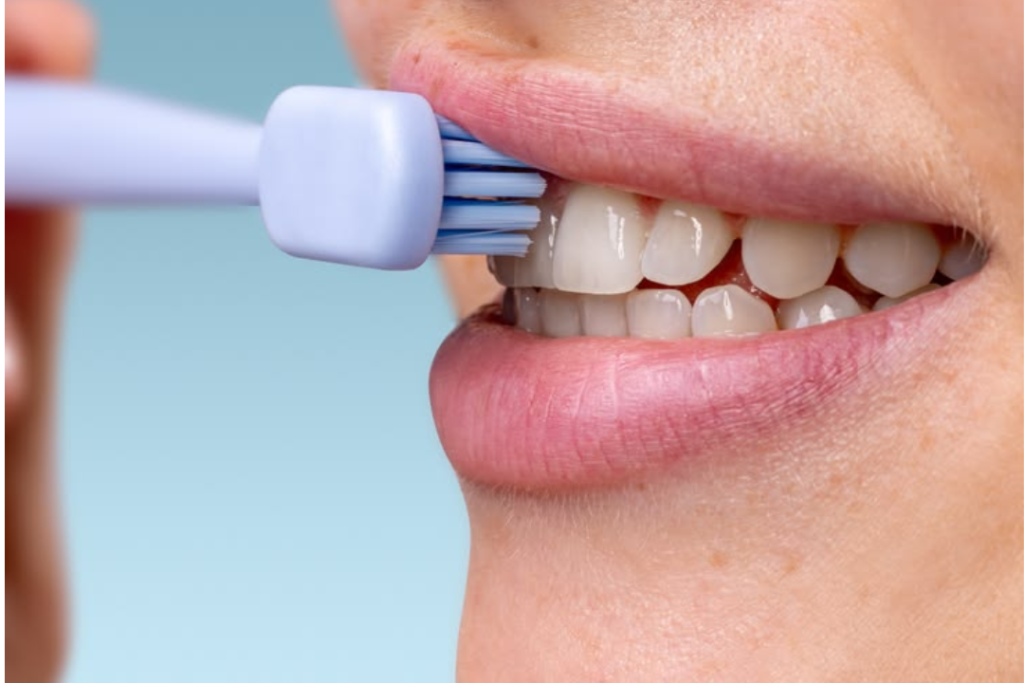
Brush Thoroughly
Clean the teeth and gumline regularly using an appropriate toothbrush and fluoride toothpaste.
Clean Between Your Teeth
Plaque can remain between teeth even after brushing. Interdental cleaning helps reach these areas.
Manage Plaque and Tartar
Daily plaque removal is important, while hardened tartar may require professional cleaning.
Avoid Tobacco
Smoking and tobacco use can adversely affect periodontal health and healing.
Attend Regular Dental Check-Ups
Routine examinations can identify gum inflammation, tartar and periodontal changes before they become more advanced.
Do Not Ignore Bleeding
Repeated bleeding should be assessed rather than accepted as normal.
Why Early Gum Care Matters
Gum disease can progress gradually, and the changes may not always be obvious to the patient.
Early periodontal care can focus on:
Identifying the problem
↓
Controlling inflammation
↓
Improving daily plaque control
↓
Monitoring gum health
When periodontal disease is more advanced, treatment may need to be more comprehensive.
The goal of gum care and treatment is not simply to stop bleeding temporarily. It is to address the factors affecting the supporting tissues and maintain periodontal health over time.
How Are Gum Problems Diagnosed?
Gum problems are diagnosed by looking beyond the visible appearance of the gums.
A dental assessment may consider:
- Gum colour and swelling
- Bleeding
- Plaque and tartar deposits
- Gum recession
- Periodontal pocket depth
- Tooth mobility
- Condition of the tissues around each tooth
- Supporting bone where clinically indicated
The findings help determine whether the issue is limited to gum inflammation or whether deeper periodontal disease may be present.
What Happens During a Gum Examination?
A periodontal examination focuses on the tissues supporting your teeth.
The dentist may check:
- Areas where gums bleed
- Depth of spaces between gums and teeth
- Gum recession
- Tooth stability
- Plaque and calculus accumulation
- Changes around individual teeth
Dental X-rays may be recommended when information about the supporting bone or other structures is required.
The examination helps establish the severity of the problem and guides the appropriate gum care or treatment plan.
How Is Gum Treatment Planned?
Gum treatment is not identical for every patient.
The treatment plan depends on:
- Severity of gum inflammation
- Presence of tartar
- Periodontal pocketing
- Gum recession
- Supporting bone condition
- Tooth mobility
- Existing oral hygiene habits
For early gum inflammation, improving plaque control and professional cleaning may be sufficient.
More established periodontal disease may require deeper cleaning, closer monitoring and additional periodontal management.
What Does Professional Gum Cleaning Involve?
Professional cleaning removes plaque and hardened tartar that cannot be effectively removed through normal brushing.
The dentist or dental professional may clean deposits from:
- Tooth surfaces
- Along the gumline
- Areas between teeth
- Other accessible areas where deposits have accumulated
The purpose is not simply to make the teeth feel cleaner.
Removing plaque and calculus can help reduce the factors contributing to gum inflammation.
When Is Deep Cleaning Needed?
Deep cleaning may be considered when plaque and calculus have accumulated below the gumline or when periodontal pockets require more thorough cleaning.
It is different from routine surface cleaning because the focus extends to areas affected by periodontal disease.
The need for deeper periodontal cleaning depends on findings from the gum examination rather than simply the amount of visible tartar.
Can Treatment Remove Plaque and Tartar?
Yes.
Professional cleaning can remove hardened tartar, also called calculus, from areas that regular brushing cannot adequately clean.
Plaque is a soft bacterial film that forms continuously and can usually be disrupted through effective daily cleaning.
Tartar is hardened plaque and requires professional removal.
Both plaque control at home and professional periodontal care are important for maintaining healthy gums.
How Does Treatment Help Inflamed Gums?
When gum inflammation is associated with plaque and calculus, reducing these deposits can help create healthier conditions around the gums.
Treatment may focus on:
- Removing plaque-retentive deposits
- Controlling inflammation
- Improving daily oral hygiene
- Cleaning difficult-to-reach areas
- Monitoring the response of the gums
The goal is not simply to reduce redness or bleeding temporarily but to improve the overall periodontal environment.
What Happens During Periodontal Treatment?
The exact treatment depends on the severity and nature of the gum problem.
Management may involve:
Assessment
↓
Professional cleaning
↓
Improved daily plaque control
↓
Deeper periodontal cleaning when required
↓
Review and maintenance
Patients with more advanced periodontal disease may require a more individualized treatment approach.
The dentist can explain the recommended procedure after assessing the condition of the gums and supporting tissues.
How Long Does Gum Treatment Take?
There is no standard treatment duration for every periodontal problem.
Treatment time depends on:
- Number of affected areas
- Amount of plaque and calculus
- Depth of periodontal pockets
- Severity of inflammation
- Need for deeper cleaning
- Response to treatment
A patient with mild gingivitis may require a different treatment schedule from someone with established periodontitis.
The expected number of appointments can be discussed after the initial assessment.
Does Gum Treatment Hurt?
The level of discomfort depends on the type and depth of periodontal treatment.
Routine professional cleaning may cause little discomfort, while deeper cleaning around sensitive or inflamed gums can feel more noticeable.
Factors affecting comfort can include:
- Gum inflammation
- Tooth sensitivity
- Depth of cleaning
- Areas being treated
If deeper treatment is required, the dentist can discuss appropriate measures to improve comfort during the procedure.
What Can You Expect After Treatment?
After gum treatment, the gums may feel different as inflammation begins to settle.
Some patients may notice:
- Temporary tenderness
- Mild sensitivity
- Reduced swelling
- Less bleeding over time
- Changes in how the gums feel around the teeth
If significant pain, swelling or other unusual symptoms develop, the area should be reviewed.
Improvement also depends on continuing effective plaque control at home.
Can Gum Disease Be Controlled?
Yes. Periodontal disease can often be managed through appropriate professional treatment and long-term maintenance.
The objective is to:
- Control periodontal inflammation
- Reduce harmful plaque and calculus accumulation
- Protect the supporting tissues
- Maintain the stability of the teeth
- Prevent or limit further progression
Periodontal care is not necessarily a one-time procedure.
Patients with a history of periodontal disease may require ongoing monitoring and maintenance.
Can Advanced Gum Problems Be Treated?
Advanced periodontal problems can require more comprehensive management than early gum inflammation.
Treatment planning may consider:
- Periodontal pocket depth
- Bone loss
- Tooth mobility
- Gum recession
- Inflammation
- Overall tooth prognosis
The treatment approach depends on the extent of periodontal damage.
If a tooth has lost substantial supporting tissue, the dentist may also need to assess whether it can be maintained predictably.
What Happens If the Gums Do Not Improve?
If gum inflammation or other symptoms continue despite initial treatment, the situation should be reassessed.
Possible reasons may include:
- Persistent plaque accumulation
- Remaining calculus
- Difficult-to-clean areas
- Deeper periodontal pockets
- Smoking or tobacco use
- Other contributing health factors
- Inadequate response to initial treatment
A review allows the dentist to determine whether the treatment plan needs to be modified or whether additional periodontal care is required.
Can Gum Recession Be Reversed?
Gum recession means that the gum margin has moved away from its previous position, exposing more of the tooth surface.
Once gum tissue has physically receded, routine cleaning does not simply grow the gum back.
The important first step is identifying why the recession is occurring.
Possible contributing factors can include:
- Periodontal disease
- Traumatic brushing
- Gum tissue characteristics
- Tooth position
- Other local factors
Treatment depends on the cause and severity.
Can Gum Treatment Save Loose Teeth?
The answer depends on why the tooth is loose and how much supporting tissue remains.
If mobility is related to periodontal disease, treating the underlying gum condition may help stabilize the periodontal environment.
However, a severely mobile tooth with substantial supporting bone loss may have a poor prognosis.
Other causes of mobility, such as trauma or excessive biting forces, also need to be considered.
The dentist must determine the cause before deciding whether the tooth can be maintained.
Can Gum Disease Be Treated Without Losing Teeth?
Early diagnosis and appropriate periodontal management can help protect natural teeth from the consequences of progressing gum disease.
The objective of treatment is to control inflammation and maintain the tissues supporting the teeth.
However, advanced periodontal destruction can sometimes result in teeth becoming too compromised to maintain.
This is why early gum care and regular periodontal assessment are important, particularly when bleeding, recession or mobility has already appeared.
How Much Does Gum Treatment Cost in Anna Nagar, Madurai?
There is no single cost for periodontal care because gum treatment varies considerably between patients.
The cost can depend on:
- Severity of gum disease
- Number of areas requiring treatment
- Amount of tartar
- Need for deeper cleaning
- Number of appointments
- Additional periodontal procedures
- Follow-up and maintenance requirements
Routine professional cleaning and treatment for established periodontal disease should not be assumed to have the same cost.
An examination is needed to determine the appropriate treatment and provide an individualized estimate.
What Affects the Cost of Periodontal Care?
The complexity of the gum problem is one of the main factors.
Cost can vary depending on whether you need:
- Routine professional cleaning
- More extensive periodontal cleaning
- Multiple treatment sessions
- Periodontal reassessment
- Additional treatment for affected teeth or gums
- Ongoing periodontal maintenance
Treating gum disease is often a process rather than a single appointment, particularly when deeper periodontal problems are present.
A personalized treatment plan provides a clearer understanding of both the required care and associated costs.
Meet Dr. Amritha Lenin
Dr. Amritha Lenin is an Orthodontist and Aesthetic Dentist associated with Dr. Amritha’s Dentistry.
Her professional profile describes experience in general dentistry and orthodontic practice, along with training in advanced aesthetic dentistry, laser dentistry, and digital smile design and facial aesthetics.
For gum care, the important consideration is identifying the condition affecting the gums and supporting tissues and then choosing treatment according to its severity.
Why Choose Dr. Amritha’s Dentistry for Gum Care?
Gum Problems Are Assessed Before Treatment
Bleeding gums, bad breath and swelling can have different causes.
A proper assessment helps determine whether you are dealing with:
- Plaque-related gingival inflammation
- Tartar accumulation
- Gum recession
- Periodontal pockets
- Periodontitis
- Other conditions affecting the gums
Treatment can then be directed toward the actual problem rather than simply addressing an individual symptom.
Treatment Can Be Planned According to Gum Health
Not everyone needs the same level of periodontal treatment.
Depending on the findings, care may involve:
- Professional cleaning
- Improved home plaque control
- Deeper periodontal cleaning
- Periodontal monitoring
- Ongoing maintenance
The treatment approach should reflect the condition of the gums and supporting tissues.
How Is the Right Gum Treatment Chosen?
The appropriate treatment depends on the severity and extent of the periodontal problem.
For example:
Mild gum inflammation → Improved oral hygiene and professional cleaning may be appropriate
Significant tartar or deeper deposits → More thorough periodontal cleaning may be needed
Established periodontitis → Individualized periodontal treatment and ongoing monitoring may be required
The dentist may also consider gum recession, pocket depth, bone support and tooth mobility when determining the appropriate approach.
Why Is Treating Gum Disease Early Important?
Gum disease can progress without causing severe pain.
Early treatment can help address inflammation before it develops into more advanced periodontal destruction.
If periodontitis progresses, it can affect:
- Gum attachment
- Supporting bone
- Tooth stability
- Ability to clean around affected teeth
Early gum care therefore focuses not just on making the gums feel better but on protecting the structures that support your natural teeth.
Can Gum Treatment Help Protect Natural Teeth?
Yes, appropriate periodontal treatment can help manage gum disease and protect the supporting tissues around teeth.
The outcome depends on factors such as:
- Severity of periodontal disease
- Amount of supporting tissue loss
- Tooth condition
- Oral hygiene
- Response to treatment
- Ongoing maintenance
Treatment cannot necessarily restore supporting tissues that have already been permanently lost, but controlling active periodontal disease can help reduce further damage.
How Should You Clean Between Your Teeth?
Brushing alone may not adequately clean the spaces between teeth.
Depending on the size and shape of these spaces, appropriate interdental cleaning may involve:
- Dental floss
- Interdental brushes
- Other recommended cleaning aids
The right method depends on your gum condition and the spaces between your teeth.
If you have periodontal pockets, bridges, orthodontic appliances or other dental conditions, your dentist may recommend a specific cleaning technique.
How Can You Keep Your Gums Healthy After Treatment?
Periodontal treatment works best when professional care is supported by consistent daily cleaning.
Important habits include:
Brush the Gumline Carefully
Plaque commonly accumulates where the teeth meet the gums.
Clean Between Your Teeth
Interdental cleaning helps remove plaque from areas a toothbrush cannot effectively reach.
Manage Tartar
Once plaque hardens into calculus, professional removal is required.
Avoid Tobacco
Smoking and tobacco use can adversely affect periodontal health and healing.
Attend Recommended Follow-Ups
Ongoing monitoring can help identify renewed inflammation or periodontal changes.
Can Gum Problems Come Back After Treatment?
Yes.
Treating gum disease does not make a person permanently immune to future periodontal problems.
Gum inflammation can return if plaque accumulates again or if other risk factors remain.
For patients who have experienced periodontitis, long-term periodontal maintenance can be particularly important.
The aim is to control the condition and maintain gum health over time, rather than assuming that one course of treatment permanently eliminates the risk.
How Do You Prevent Gum Disease From Getting Worse?
Prevention and maintenance depend heavily on controlling plaque.
A practical approach includes:
- Brush consistently
- Clean between teeth
- Have professional cleaning when recommended
- Avoid tobacco
- Manage factors that increase periodontal risk
- Do not ignore recurring gum bleeding
- Attend dental examinations
If you have already experienced periodontal disease, following the recommended maintenance schedule is particularly important.
Can Gum Disease Affect Your Smile?
Yes.
Advanced gum disease can cause visible changes such as:
- Gum recession
- Longer-looking teeth
- Changes in gum shape
- Tooth mobility
- Spaces developing between teeth
These changes occur because periodontal disease can affect the tissues supporting the teeth.
Improving gum health can help control active disease, but treatment cannot always reverse structural changes that have already occurred.
Can Gum Treatment Stop Gum Bleeding?
If bleeding is caused by plaque-related inflammation, appropriate professional cleaning and improved plaque control can help reduce the inflammation and bleeding.
However, persistent bleeding should not simply be treated as a symptom to eliminate.
If bleeding continues, the underlying cause should be reassessed.
Other factors may need to be considered if the gums do not respond as expected.
What If You Have Bad Breath and Gum Problems?
Persistent bad breath can occur alongside gum disease, particularly when plaque, calculus and bacteria accumulate around the teeth and gums.
Gum treatment may help when periodontal disease is contributing to the odour.
However, bad breath can have several other causes.
If it continues after appropriate oral hygiene and gum care, further dental assessment can help determine the source.
What If Your Gums Are Receding?
Gum recession should be assessed rather than assumed to be a normal part of ageing.
Possible contributing factors include:
- Periodontal disease
- Traumatic brushing
- Tooth position
- Thin gum tissue
- Other local factors
Treatment depends on the cause and severity.
The priority is to identify what is contributing to the recession and prevent further damage where possible.
What If Your Teeth Become Loose?
Tooth mobility can be associated with advanced periodontal disease, but gum disease is not the only possible cause.
The dentist may need to evaluate:
- Supporting bone
- Gum condition
- Bite forces
- Tooth condition
- History of trauma
If periodontal disease is responsible, controlling the disease may help improve the supporting environment around the tooth.
However, teeth with extensive supporting tissue loss may have a poor prognosis and require individual assessment.
When Should You Return for Periodontal Follow-Up?
Follow-up timing depends on the severity of your gum condition and how you respond to treatment.
A review may be particularly important if you have:
- Previous periodontitis
- Persistent gum bleeding
- Deep periodontal pockets
- Gum recession
- Tooth mobility
- Continued plaque or tartar accumulation
Follow-up allows the dentist to monitor whether inflammation is controlled and whether further treatment or maintenance is required.
Frequently Asked Questions
Periodontal care focuses on preventing, diagnosing and managing conditions affecting the gums and supporting tissues around the teeth.
Gum disease refers to conditions affecting the tissues around teeth, ranging from gingivitis to more advanced periodontitis.
Bleeding gums can be a sign of inflammation, often associated with plaque accumulation. Repeated bleeding should be professionally assessed.
Yes. Gum disease can progress without significant pain, which is why regular dental examinations are important.
Gingivitis involves gum inflammation without the deeper tissue and bone destruction associated with periodontitis. Periodontitis can damage the structures supporting the teeth.
Yes. Bacteria and plaque around inflamed gums and periodontal pockets can contribute to persistent bad breath.
Professional cleaning can remove plaque and tartar and is an important part of managing plaque-related gum problems. More advanced periodontal disease may require additional treatment.
Deep cleaning refers to more thorough cleaning of tooth surfaces and areas below the gumline when periodontal disease requires it.
Advanced periodontal disease can contribute to tooth mobility by damaging the tissues and bone supporting the teeth.
Receded gum tissue does not generally return simply through routine brushing. Treatment depends on the cause and severity of the recession.
Yes. Appropriate periodontal treatment, effective daily plaque control and ongoing maintenance can help control periodontal disease.
Yes. Periodontal disease can recur or become active again if plaque control is inadequate or other risk factors remain.
The appropriate interval depends on your oral and periodontal health. Patients with previous or active periodontal disease may require more frequent monitoring.
The cost depends on the severity of the gum problem, amount of tartar, type of treatment, number of areas involved and whether multiple treatment or maintenance visits are required.
Seek an assessment if you have repeated gum bleeding, swollen gums, persistent bad breath, gum recession, loose teeth, significant tartar or other changes around your gums.
Protect Your Gums With Periodontal Care in Anna Nagar, Madurai
Book an Periodontal Care Consultation
If you are experiencing bleeding gums, swelling, persistent bad breath, gum recession, tartar buildup or loose teeth, a periodontal assessment can help identify the underlying problem and determine the appropriate level of gum care or treatment.
Dr. Amritha’s Dentistry can assess your gum health and develop care based on the condition of your gums and supporting tissues.
Dr. Amritha’s Dentistry is located at:
Vaigai Colony, Anna Nagar, Madurai, Tamil Nadu – 625020
Phone: 090032 21393
Book a periodontal consultation to assess your gum health and treatment needs.
Dr. Amritha’s Dentistry
Dr. Amritha’s Dentistry,
Vaigai Colony, Anna Nagar, Madurai, Tamil Nadu – 625020
Phone: 090032 21393
Contact the clinic to schedule a consultation for Teeth Whitening in Madurai.