
Inlay and Onlay
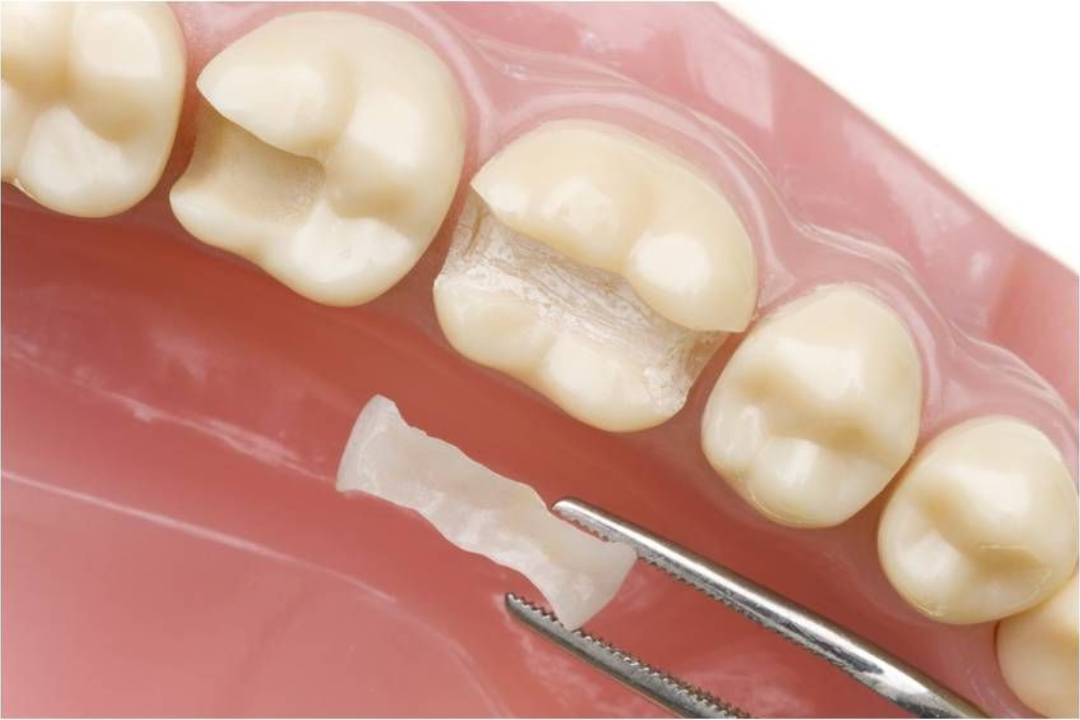
Inlay and Onlay treatment in Anna Nagar, Madurai
Restore a Damaged Tooth Without Automatically Choosing a Full Crown
When a tooth has a larger cavity, worn chewing surface or loss of tooth structure, a standard filling may not always provide the restoration that the tooth needs. At the same time, a full crown may not always be necessary.
Inlays and onlays are indirect restorations used to repair selected damaged or weakened teeth when enough healthy tooth structure remains for this type of treatment.
An inlay generally restores the damaged area within the cusps of a tooth, while an onlay can extend over one or more cusps when the damage is more extensive.
The choice depends on the amount of tooth structure lost, the location of the damage, the condition of the remaining tooth and the forces placed on it.
What Is an Inlay or Onlay?
An inlay or onlay is a custom-made restoration designed to replace damaged tooth structure.
Unlike a conventional filling, which is shaped directly inside the tooth during the appointment, an inlay or onlay is fabricated outside the mouth and then bonded or cemented into the prepared tooth.
An Inlay
An inlay fits within the cusps of the tooth and is generally used when the damaged area does not require coverage of the cusps.
An Onlay
An onlay extends over one or more cusps and may be considered when the tooth has lost more structure and requires additional coverage.
Both treatments aim to restore the tooth while retaining suitable healthy natural structure.
When Do You Need This Treatment?
An inlay or onlay may be considered when a tooth has more damage than a simple filling can appropriately restore, but enough healthy structure remains to avoid full-coverage treatment.
Situations that may lead to consideration include:
- A larger cavity
- A damaged chewing surface
- A tooth with significant loss of structure
- A large existing filling
- Certain forms of tooth wear
- Certain localized fractures or defects
The treatment is not suitable for every damaged tooth.
The dentist needs to assess whether the remaining tooth structure can support the restoration and whether the tooth requires additional treatment.
What Is the Difference Between an Inlay and an Onlay?
The main difference is where the restoration covers the tooth.
| Inlay | Onlay |
|---|---|
| Fits within the cusps | Extends over one or more cusps |
| Used for selected internal tooth damage | Used when damage involves or requires cusp coverage |
| Preserves the cusps when they remain suitable | Provides additional coverage to weakened cusps |
Inlay = restoration within the cusps
Onlay = restoration that can cover one or more cusps
The dentist determines which is appropriate based on the extent and location of the tooth damage.
How Do You Know Which One You Need?
You cannot reliably determine whether you need an inlay or onlay simply by looking at the tooth.
The decision can depend on:
- How much tooth structure has been lost
- Whether the cusps are affected
- Size and location of the cavity
- Condition of the remaining tooth
- Existing restorations
- Bite forces
- Whether the pulp is healthy
- Overall restorability of the tooth
A relatively contained defect may be suitable for an inlay.
If the damage extends to or weakens one or more cusps, an onlay may provide more appropriate coverage.
Can This Treatment Repair a Damaged Tooth?
Yes, an appropriately selected inlay or onlay can restore certain teeth that have lost a substantial amount of structure.
The restoration can:
- Replace missing tooth structure
- Restore the chewing surface
- Re-establish tooth shape
- Protect selected weakened areas
- Restore aspects of normal tooth function
However, the tooth must first be assessed to determine whether it is suitable.
A tooth with deep decay, significant cracking or pulp involvement may require a different treatment.
When Is an Inlay or Onlay Better Than a Filling?
An inlay or onlay may be considered when a cavity or damaged area is too extensive for a conventional filling but the tooth does not necessarily require a full crown.
For example, the tooth may have:
- A larger restoration area
- Significant loss of tooth structure
- A weakened chewing surface
- A large existing filling that needs replacement
The advantage of considering an indirect restoration is that it can be custom-made to the prepared tooth.
However, an inlay or onlay is not automatically better than a filling. If a smaller cavity can be predictably restored with a conventional filling, a more extensive restoration may not be necessary.
When Is an Inlay or Onlay Better Than a Crown?
An inlay or onlay may be considered when the tooth has enough healthy structure to be restored without covering the entire tooth.
A crown provides substantially greater coverage.
The decision can depend on:
- Amount of remaining tooth structure
- Location and extent of damage
- Condition of the cusps
- Strength of the tooth
- Functional demands
- Existing restorations
The objective is to choose a restoration that provides appropriate protection without removing more healthy tooth structure than the treatment requires.
Can It Repair a Large Cavity?
It can, but the size of the cavity alone does not determine whether an inlay or onlay is suitable.
The dentist also needs to consider:
- Depth of the cavity
- Position of the decay
- Remaining tooth walls
- Condition of the cusps
- Pulp health
- Bite forces
A large cavity that has not compromised the pulp and still leaves suitable tooth structure may be considered for an indirect restoration.
If the decay has extended deeply into the pulp, however, the treatment may need to address the inside of the tooth first.
Can It Repair a Worn or Cracked Tooth?
An inlay or onlay may be suitable for certain forms of tooth wear or localized structural damage.
However, not every cracked tooth can be repaired with an inlay or onlay.
The dentist may need to determine:
- Whether the tooth is actually cracked
- Where the crack extends
- Whether the crack is stable
- Whether the pulp is affected
- How much healthy tooth structure remains
A crack extending deeply through the tooth can require a different treatment approach.
Which Teeth Can Be Treated?
Inlays and onlays are most commonly associated with posterior teeth, particularly premolars and molars that have chewing surfaces and cusps.
These teeth can develop:
- Large cavities
- Worn areas
- Failed fillings
- Localized structural damage
The suitability of an inlay or onlay depends on the individual tooth rather than simply whether it is a front or back tooth.
Inlay or Onlay vs Filling
Both treatments can restore damaged tooth structure, but they are made differently.
Filling
A filling is placed and shaped directly within the prepared tooth during the restorative procedure.
Inlay or Onlay
An indirect restoration is custom-made before being fitted into the prepared tooth.
An inlay or onlay may be considered when the restoration needs greater customization or when the extent of damage makes a conventional filling less appropriate.
For a smaller cavity with sufficient healthy structure, a filling may remain the simpler option.
Inlay or Onlay vs Crown
A crown covers a substantially larger portion of the tooth than an inlay or onlay.
Inlay
Restores an area within the cusps.
Onlay
Can cover one or more cusps.
Crown
Provides coverage around much of the visible tooth structure.
The aim is not to choose the most extensive restoration available. It is to determine what level of restoration the tooth actually requires.
What Are the Benefits?
When appropriately selected, an inlay or onlay can offer several restorative benefits.
Restores Lost Tooth Structure
The restoration replaces damaged or missing areas of the tooth.
Restores the Chewing Surface
The tooth can regain a more functional chewing shape.
Provides Cusp Coverage When Needed
An onlay can cover selected weakened cusps.
Can Preserve More Natural Tooth Structure
Compared with some full-coverage restorations, an inlay or onlay may allow suitable healthy tooth structure to remain.
Custom-Fitted Restoration
Because the restoration is fabricated for the prepared tooth, its shape can be designed specifically for that tooth.
What Are the Limitations?
Inlays and onlays are not suitable for every situation.
Limitations can arise when:
- Too much tooth structure has been lost
- The tooth has an extensive crack
- The pulp is affected
- The tooth requires full coverage
- The tooth cannot be predictably restored
The remaining tooth cannot adequately support the restoration
An inlay or onlay also does not make a tooth immune to future decay or fracture.
Good oral hygiene and regular dental assessment remain important after treatment.
When Is This Treatment Not Suitable?
An inlay or onlay may not be appropriate when the tooth requires more extensive treatment.
This may occur when:
- Decay has reached the pulp
- The tooth has significant structural failure
- A crack extends deeply through the tooth
- Very little healthy tooth structure remains
- The tooth requires more extensive protection
- The tooth cannot be predictably restored
Depending on the diagnosis, treatment may involve root canal treatment, a crown, another restorative procedure or extraction.
The important step is identifying the actual condition of the tooth before selecting the restoration.
Can an Inlay or Onlay Help Preserve Natural Tooth Structure?
Yes, when the tooth is suitable for this type of restoration.
One of the important considerations in restorative dentistry is how much healthy natural tooth structure can reasonably be retained while providing the tooth with an appropriate restoration.
An inlay or onlay can restore a selected portion of a damaged tooth rather than automatically covering the entire tooth.
However, preservation should never come at the expense of adequate protection. If the remaining tooth is too weak for an inlay or onlay, a more protective restoration may be necessary.
What Happens If a Damaged Tooth Is Not Treated?
A damaged tooth can become more difficult to restore if the underlying problem continues.
Depending on the cause, untreated damage may lead to:
- Increasing loss of tooth structure
- Larger cavities
- Tooth sensitivity
- Fracture
- Pulp involvement
- Pain
- Infection
- More extensive restorative treatment
A tooth that could initially have been managed with a conservative restoration may eventually require a crown, root canal treatment or extraction if the damage progresses.
This is why an early assessment is valuable when a tooth has a large filling, cavity, crack or visible structural damage.
What Happens During Your Consultation?
The first step is to determine whether an inlay or onlay is actually suitable for your tooth.
The dentist may assess:
- The size and location of the damaged area
- Remaining healthy tooth structure
- Condition of the cusps
- Condition of the cusps
- Existing fillings or restorations
- Signs of tooth decay
- Possible cracks or fractures
- Pulp health
- Bite and chewing forces
Depending on the tooth and the suspected problem, dental imaging may also be recommended.
The purpose of the consultation is to distinguish between a tooth that can be restored with an inlay or onlay and one that requires a filling, crown, root canal treatment or another approach.
How Is the Tooth Prepared?
The damaged or decayed portion of the tooth is carefully removed before the restoration is planned.
The preparation needs to provide enough space and an appropriate shape for the restoration while retaining suitable healthy tooth structure.
The dentist may need to:
- Remove decay or compromised tooth structure.
- Clean the affected area.
- Shape the tooth to receive the restoration.
- Create the required space for the inlay or onlay.
- Record the prepared tooth for fabrication.
The amount of preparation depends on the extent of the damage and the type of restoration being planned.
How Is the Restoration Made?
An inlay or onlay is fabricated outside the mouth according to the shape of the prepared tooth.
The process is designed to produce a restoration that corresponds to the prepared area.
Depending on the clinical setup and material selected, the restoration may be produced using an appropriate dental laboratory or digital workflow.
The design can take into account:
- Tooth anatomy
- Cusp position
- Contact with neighbouring teeth
- Bite
- Chewing surface
- Desired appearance
This custom approach distinguishes an indirect restoration from a conventional filling that is shaped directly inside the tooth.
How Is It Placed on the Tooth?
Once the inlay or onlay has been fabricated, it is tried on the prepared tooth.
The dentist checks:
- Fit
- Margins
- Contact with adjacent teeth
- Shape
- Bite
- Overall appearance
If the restoration fits appropriately, it is bonded or cemented according to the material and clinical requirements.
The bite is checked again after placement to make sure the restoration does not interfere with normal closing or chewing.
How Many Visits Are Needed?
The number of appointments depends on the treatment method, restoration and individual circumstances.
A conventional indirect restoration may involve:
Assessment → Tooth preparation and records → Fabrication → Placement
Some clinical workflows may allow different stages to be completed within fewer appointments.
Your dentist can explain the expected number of visits after examining the tooth and determining which type of restoration is appropriate.
Does the Treatment Hurt?
Inlay and onlay treatment is generally performed with local anaesthesia when needed to keep the tooth and surrounding area comfortable during preparation.
You may still notice:
- Pressure
- Vibration
- Movement
- Sensation from dental instruments
After the procedure, the tooth may feel different temporarily.
If you experience significant or persistent pain after treatment, the tooth should be reviewed to determine the cause.
What Can You Eat After Treatment?
Your dentist will advise you about eating according to the type of restoration and the stage of treatment.
If the tooth has been treated under local anaesthesia, avoid chewing until normal sensation returns so that you do not accidentally bite your cheek or tongue.
After the final restoration has been securely placed, you can generally return to normal eating according to your comfort and the instructions provided.
If the tooth feels uncomfortable when chewing, have the restoration checked.
What Does the Tooth Feel Like Afterwards?
A newly restored tooth can feel different for a short period.
You may notice:
- Mild sensitivity
- Awareness of the restoration
- A different sensation when biting
- Temporary gum sensitivity around the treated area
The tooth should gradually feel more natural as you become accustomed to the restoration.
Persistent pain, significant sensitivity or an uncomfortable bite should be assessed rather than ignored.
Is Sensitivity Normal?
Some temporary sensitivity can occur following restorative treatment.
The response can depend on:
- Depth of the original damage
- Condition of the tooth
- Extent of preparation
- Type of restoration
- Individual sensitivity
If sensitivity is severe, prolonged or becomes worse instead of improving, the tooth may require further examination.
Particularly persistent sensitivity to hot or cold can sometimes indicate that the underlying tooth needs additional assessment.
What If It Feels High When You Bite?
A restoration should fit comfortably with your natural bite.
If an inlay or onlay feels unusually high when you close your teeth, or if the tooth feels as though it contacts before the others, contact your dentist.
The restoration may require a professional bite adjustment.
Do not try to grind or modify the restoration yourself.
An excessively high contact can place unnecessary force on the restored tooth and make chewing uncomfortable.
How Long Can It Last?
There is no single lifespan that applies to every inlay or onlay.
Its longevity can depend on:
- Restoration material
- Size of the restoration
- Location of the tooth
- Amount of remaining natural tooth
- Bite forces
- Oral hygiene
- Tooth decay risk
- Habits such as biting hard objects
- Quality of the surrounding tooth structure
A well-maintained restoration can remain functional for a long time, but it still requires normal dental care and monitoring.
What If It Becomes Loose or Falls Out?
If an inlay or onlay becomes loose or comes out, the tooth should be examined.
Possible reasons can include:
- Damage to the restoration
- Changes in the underlying tooth
- Recurrent decay
- Loss of bonding
- Tooth fracture
Until the tooth is assessed, keep the area clean and avoid placing unnecessary pressure on it.
The dentist can determine whether the restoration can be re-cemented, repaired or replaced, or whether the tooth requires a different treatment.
What If It Gets Damaged?
An inlay or onlay can become damaged through wear, excessive biting forces, trauma or changes in the supporting tooth.
If you notice:
- A crack
- A chipped portion
- A sharp edge
- Movement
- Pain while chewing
- A change in the way your teeth meet
the restoration should be checked.
The appropriate response depends on whether the problem is limited to the restoration or whether the underlying tooth has also been affected.
How Should You Care for It?
An inlay or onlay does not eliminate the need for daily oral hygiene.
Continue to:
- Brush your teeth regularly
- Clean between your teeth
- Use fluoride toothpaste as appropriate
- Limit frequent exposure to sugary foods and drinks
- Attend regular dental examinations
- Address sensitivity or discomfort early
Pay particular attention to the areas around the restoration where plaque can accumulate.
Good maintenance protects not only the restoration but also the natural tooth supporting it.
Can Decay Develop Around It?
Yes.
The natural tooth surrounding an inlay or onlay can still develop decay.
A restoration does not make the tooth permanently resistant to cavities.
New decay may develop if plaque remains around the restoration or if other risk factors continue.
Regular dental examinations can help identify:
- Recurrent decay
- Changes around restoration margins
- Wear
- Damage
- Problems with the underlying tooth
Early detection may allow the problem to be addressed before more extensive damage occurs.
When Should It Be Replaced?
Replacement may be considered if the restoration is:
- Fractured
- Significantly worn
- Loose
- Damaged
- Associated with recurrent decay
- No longer providing an appropriate fit
- No longer suitable for the condition of the tooth
Replacement is not determined by age alone.
The dentist should assess both the restoration and the tooth underneath it before deciding what needs to be done.
How Much Does Treatment Cost in Anna Nagar, Madurai?
The cost of an inlay or onlay varies according to the individual treatment requirements.
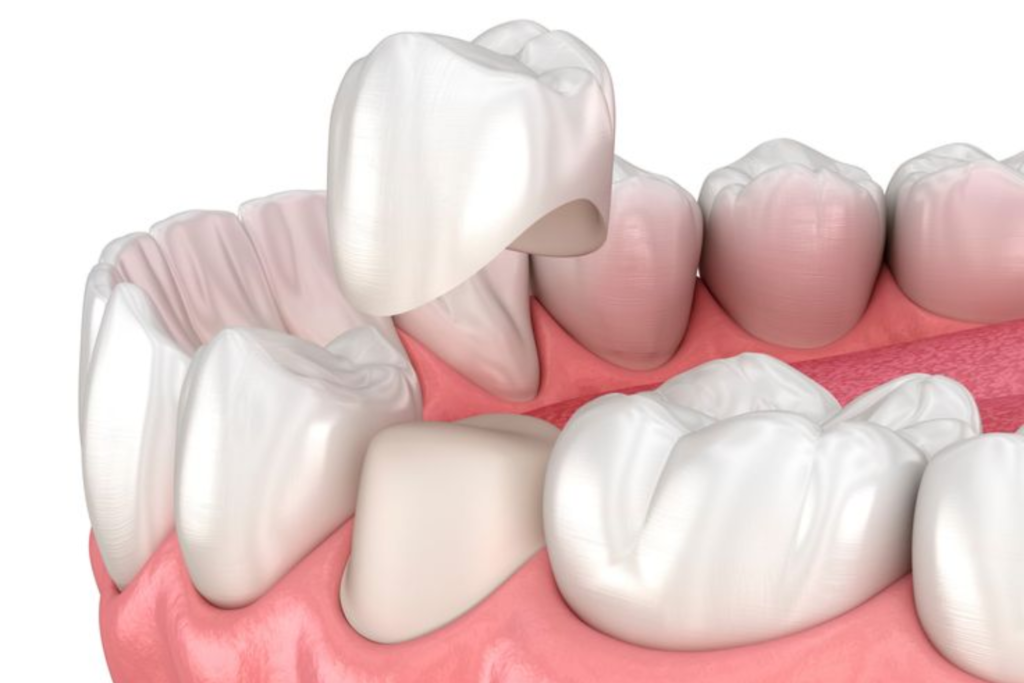
Factors that can affect the cost include:
- Type of restoration
- Material selected
- Size and location of the damaged area
- Laboratory or digital fabrication requirements
- Amount of tooth preparation
- Number of teeth being treated
- Additional dental treatment required
An inlay and an onlay may not have identical costs because they involve different levels of tooth coverage and restoration.
What Affects the Treatment Cost?
The condition of the tooth is one of the most important factors.
For example, a tooth requiring only an indirect restoration may have a different treatment cost from one that first requires:
- Decay removal
- Root canal treatment
- Replacement of an old restoration
- Gum treatment
- Additional restorative procedures
The material and fabrication method can also influence the overall cost.
A personalized examination allows the dentist to explain the treatment options and associated costs more accurately.
Is This Treatment Worth Considering for a Damaged Tooth?
An inlay or onlay can be worth considering when a tooth has more structural damage than a routine filling can appropriately restore, but enough healthy tooth structure remains to avoid unnecessary full coverage.
It can provide a middle-ground restorative option between a conventional filling and a crown in selected cases.
The decision should ultimately be based on:
How much healthy tooth remains + how the tooth is functioning + how much protection it needs + whether the tooth is otherwise healthy enough to restore.
That assessment is more important than choosing a restoration based solely on its material, appearance, or cost.
Meet Dr. Amritha Lenin
Dr. Amritha Lenin is an Orthodontist and Aesthetic Dentist associated with Dr. Amritha’s Dentistry.
Her professional profile describes experience in general dentistry and orthodontic practice, along with training in aesthetic dentistry, advanced laser dentistry and digital smile design.
For restorative treatment, the important consideration is not simply choosing an inlay or onlay. The tooth needs to be assessed to determine how much structure has been lost, what remains healthy, and which restoration can appropriately restore the tooth.
Why Choose Dr. Amritha’s Dentistry?
The Tooth Is Assessed Before Treatment
An inlay or onlay is not appropriate for every cavity or damaged tooth.
The treatment plan can take into account:
- Remaining natural tooth structure
- Size and location of the damage
- Condition of the cusps
- Existing restorations
- Bite
- Pulp health
- Overall tooth condition
The Restoration Is Matched to the Damage
A small defect may require only a filling, while a more extensive defect may benefit from an indirect restoration.
If the tooth needs greater protection, a crown may be considered instead.
The objective is to select the restoration that fits the actual condition of the tooth.
Function and Appearance Are Both Considered
A restoration needs to withstand normal chewing while also fitting naturally within the surrounding teeth.
The treatment plan can therefore consider both tooth function and smile appearance.
How Is the Right Restoration Chosen?
The right restoration depends on how much of the tooth has been damaged and how much healthy structure remains.
A simplified comparison is:
Smaller cavity → Filling may be suitable
Moderate structural damage → Inlay or onlay may be considered
Extensive weakening → Crown may be considered
Pulp involvement → Root canal treatment may be required before further restoration
These are general treatment pathways, not fixed rules.
The actual choice requires an examination of the individual tooth.
Why Is Preserving Natural Tooth Structure Important?
Natural tooth structure provides the foundation for any restoration.
When a tooth is being repaired, the goal is generally to remove the damaged portion while retaining healthy structure wherever clinically appropriate.
An inlay or onlay can sometimes provide a way to restore a damaged area without requiring complete coverage of the tooth.
However, preservation should not mean leaving a weakened tooth inadequately protected.
The restoration must provide an appropriate balance between conserving healthy structure and protecting the remaining tooth.
Can This Treatment Help Avoid a Crown?
In selected cases, yes.
If a tooth has moderate structural damage but still has enough healthy structure to support an inlay or onlay, full-crown coverage may not be necessary.
This can make an indirect restoration a useful option between a conventional filling and a crown.
However, an inlay or onlay should not be chosen simply to avoid a crown.
If the remaining tooth structure is too weak, a crown may provide the coverage the tooth requires.
What If You Already Have a Large Filling?
A large existing filling can leave less natural tooth structure surrounding the restoration.
Over time, the tooth or filling may develop:
- Wear
- Fracture
- Recurrent decay
- Marginal problems
- Loss of structural support
If the filling needs replacement, the dentist can assess whether another filling is appropriate or whether an inlay, onlay or crown would provide a more suitable restoration.
The decision depends on the condition of the tooth after the existing restoration is evaluated.
What If Your Tooth Has Lost a Large Amount of Structure?
A tooth with substantial structural loss requires careful restorative planning.
The dentist may assess:
- Remaining tooth walls
- Cusp strength
- Location of the damage
- Pulp condition
- Bite forces
- Existing cracks
- Ability of the tooth to support a restoration
If enough healthy structure remains, an onlay or another indirect restoration may be possible.
If the tooth is significantly weakened, greater coverage may be required.
What Happens If the Damaged Tooth Is Left Untreated?
A damaged tooth may become more vulnerable to further decay or fracture.
Depending on the cause, untreated damage can lead to:
- Increasing loss of tooth structure
- Larger cavities
- Tooth sensitivity
- Tooth fracture
- Pulp involvement
- Pain
- Infection
A restoration that could have been relatively conservative may no longer be appropriate if the tooth continues to deteriorate.
Early assessment can help establish whether the tooth is suitable for an inlay, onlay, filling, crown or another treatment.
Can an Inlay or Onlay Prevent Tooth Fracture?
No restoration can guarantee that a tooth will never fracture.
An appropriately designed onlay can provide coverage over selected weakened cusps and may help restore a structurally compromised chewing surface.
However, the outcome depends on:
- Amount of remaining tooth structure
- Existing cracks
- Bite forces
- Restoration design
- Tooth condition
- Individual habits
A tooth with a deep structural crack may require a different treatment strategy.
Can This Treatment Be Used After Root Canal Treatment?
It depends on the amount of remaining tooth structure and the specific restorative requirements.
A root canal-treated tooth may require additional protection because substantial tooth structure may have been lost through decay, previous restorations or treatment.
In some situations, an onlay or another restoration may be considered.
In others, a crown may be more appropriate.
The restoration should therefore be selected after evaluating the remaining tooth structure and functional demands.
How Do Inlays and Onlays Fit Into Restorative Dental Care?
Restorative dentistry is not simply about repairing visible holes.
The broader objective is to manage damaged teeth while considering:
- Tooth structure
- Function
- Bite
- Oral health
- Long-term maintenance
- Appearance
- Future restorative needs
An inlay or onlay can form part of this approach when the tooth falls within the range where an indirect restoration is appropriate.
How Can You Protect the Restoration?
Once the restoration has been placed, the health of the natural tooth around it remains important.
To protect the tooth:
- Brush regularly with fluoride toothpaste
- Clean between the teeth
- Limit frequent sugary foods and drinks
- Avoid using teeth to open packages or bite hard objects
- Attend regular dental examinations
- Report sensitivity or discomfort early
The restoration is only one part of maintaining the tooth.
The surrounding natural tooth structure still needs protection from decay and excessive forces.
What Should You Ask Before Choosing an Inlay or Onlay?
Before proceeding, it can be useful to understand:
- How much healthy tooth structure remains?
- Why is an inlay or onlay being recommended?
- Would a filling be sufficient?
- Does the tooth require cusp coverage?
- Would a crown provide better protection?
- Is the pulp healthy?
- Are there any cracks?
- What material is being recommended?
- How should the restoration be maintained?
- What follow-up will be required?
These questions help you understand why a particular restoration has been recommended rather than simply choosing one based on cost or appearance.

Frequently Asked Questions
A dental inlay is an indirect restoration designed to fit within the cusps of a prepared tooth and replace a damaged or decayed area.
An onlay is an indirect restoration that can extend over one or more cusps when the tooth requires additional coverage.
An inlay generally fits within the cusps, while an onlay extends over one or more cusps. The choice depends on how much tooth structure has been damaged.
Not necessarily. A filling may be more appropriate for a smaller cavity, while an inlay or onlay may be considered when more tooth structure has been lost.
Neither is universally better. An inlay or onlay may be suitable when enough healthy tooth structure remains, while a crown may be needed when greater coverage is required.
In selected cases, an onlay may provide sufficient restoration without full-crown coverage. However, a crown may be necessary when the tooth is substantially weakened.
It can be suitable for certain larger cavities when sufficient healthy tooth structure remains and the pulp is not affected.
Yes. An onlay can extend over one or more cusps and may be considered when a cusp has been weakened or damaged and the tooth remains restorable.
The preparation is generally performed with local anaesthesia when required. Temporary sensitivity can occur afterwards, but persistent or severe pain should be evaluated.
There is no fixed lifespan. Longevity depends on factors such as material, tooth condition, restoration size, bite forces, oral hygiene and future decay.
It can happen. If a restoration becomes loose or falls out, the tooth should be examined to determine whether it can be re-cemented or requires replacement.
Yes. The natural tooth around a restoration can still develop decay, making regular oral hygiene and dental examinations important.
It may be possible in selected cases, depending on the remaining tooth structure and restorative requirements. A crown or another restoration may be more appropriate in other cases.
The cost depends on factors such as the restoration type, material, tooth condition, extent of preparation and any additional treatment required.
The choice depends on the amount of tooth structure lost, condition of the tooth, pulp health, cusp involvement, bite forces and overall restorability. A dental examination is needed to determine the appropriate option.
Restore Your Damaged Tooth With the Right Treatment
If you have a large filling, damaged chewing surface, extensive cavity, worn tooth or weakened cusp, an inlay or onlay may be one of the restorative options worth discussing.
Dr. Amritha’s Dentistry can assess the affected tooth and help determine whether an inlay, onlay, filling, crown or another treatment is appropriate for your individual dental condition.
Dr. Amritha’s Dentistry
Vaigai Colony, Anna Nagar, Madurai, Tamil Nadu – 625020
Phone: 090032 21393
Book a consultation to find out which restoration is right for your tooth.
Dr. Amritha’s Dentistry
Dr. Amritha’s Dentistry,
Vaigai Colony, Anna Nagar, Madurai, Tamil Nadu – 625020
Phone: 090032 21393
Contact the clinic to schedule a consultation for inlay and onlay in Madurai.