
Dental Implants
Dental Implants in Madurai
Dental Implants in Madurai for Replacing Missing Teeth
Losing a tooth can affect more than the appearance of your smile. A missing tooth may make chewing less comfortable, change the way neighbouring teeth meet, or leave a gap that you would prefer to replace.
Dental implants are one option for replacing missing teeth. An implant uses a small biocompatible fixture placed in the jawbone to support a dental restoration. Depending on the situation, the completed restoration may replace a single tooth, several teeth or support a larger tooth-replacement solution.
If you are considering Dental Implants in Madurai, the first step is to determine whether implant treatment is appropriate for your oral health, bone condition, remaining teeth and overall treatment requirements.
For patients looking for implant treatment in Anna Nagar, Madurai, the treatment plan can be tailored according to the number of missing teeth and the condition of the mouth.
What Is a Dental Implant?
A dental implant is a small fixture designed to replace the root portion of a missing tooth.
After placement and healing, the implant can provide support for a dental restoration.
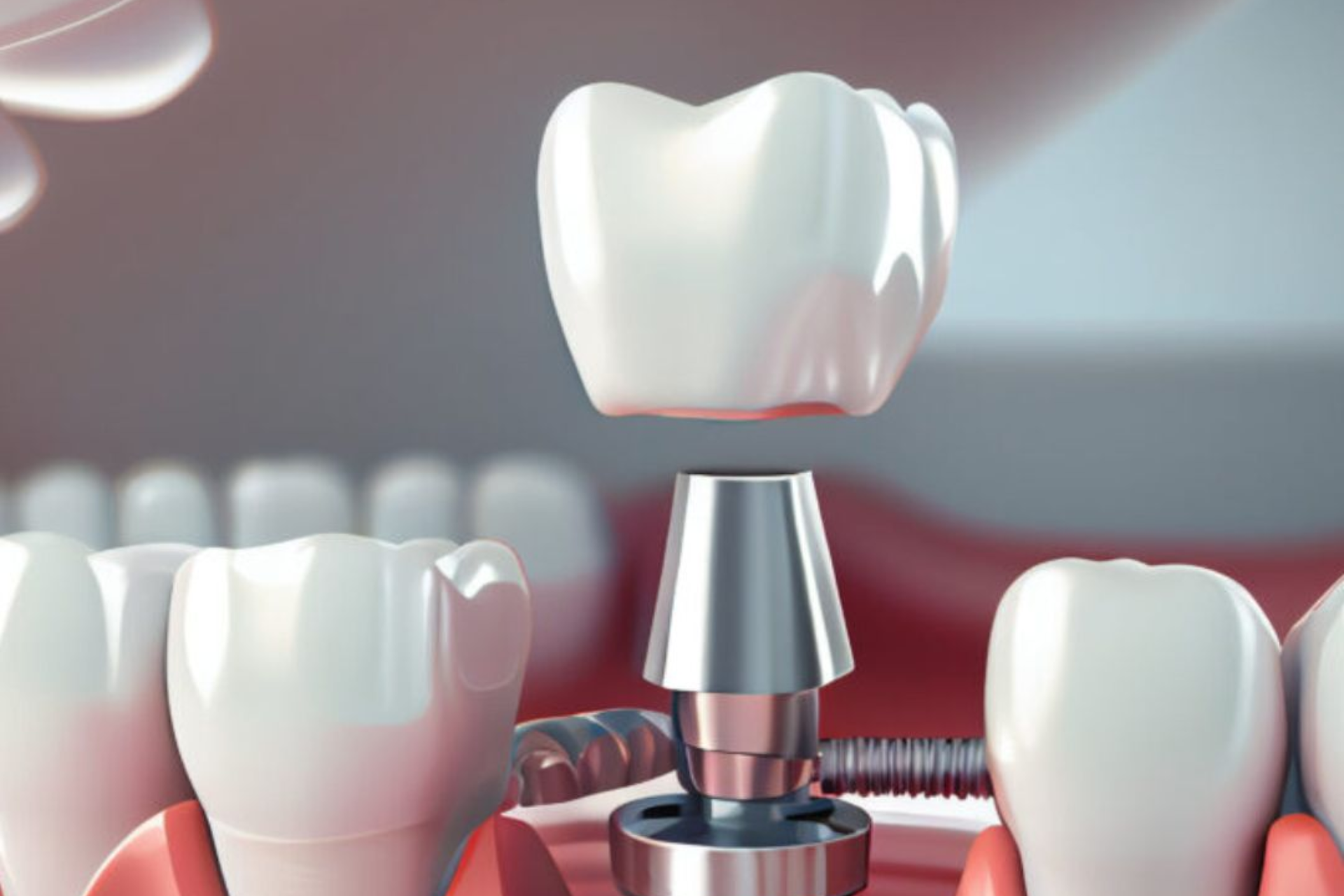
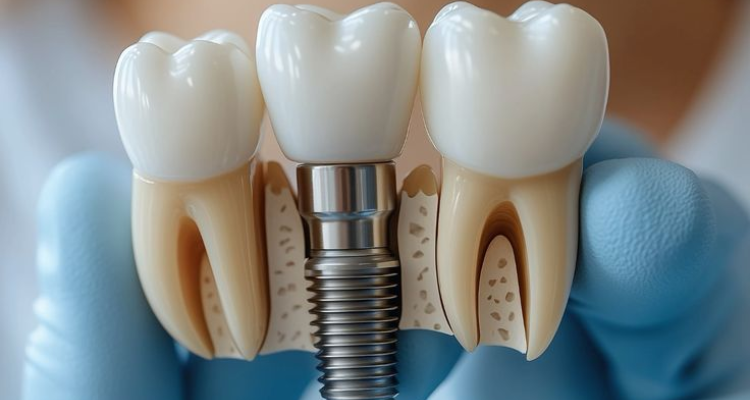
A typical implant-supported tooth replacement may involve three main components:
Dental Implant
The implant is placed within the jawbone and serves as the foundation for the replacement tooth.
Abutment
The abutment connects the implant to the restoration.
Dental Crown
The crown forms the visible part of the replacement tooth and is designed to restore appearance and function.
The exact components used can vary depending on the treatment plan.
How Does Dental Implant Treatment Work?
Dental implant treatment is based on replacing both the visible tooth and the root-like support beneath it.
After an implant is placed in the jawbone, the surrounding bone can integrate with its surface during healing. This biological process is known as osseointegration.
Once the implant has adequately healed and is considered ready for restoration, an appropriate prosthetic tooth can be connected to it.
This creates an implant-supported replacement that is designed to function within the patient’s existing bite.
Why Are Dental Implants Used?
Dental implants may be considered when one or more teeth are missing.
They can be used in different situations, including:
- Replacement of a single missing tooth
- Replacement of multiple missing teeth
- Support for implant-supported bridges
- Support for certain implant-retained dentures
- Replacement of teeth that cannot be predictably preserved
The most suitable approach depends on the number and position of missing teeth, available bone, gum health and the patient’s overall dental condition.
Dental Implants for a Single Missing Tooth
When one tooth is missing, an implant-supported crown can be considered as a replacement option.
Unlike a conventional bridge, an implant-supported single-tooth replacement does not normally require the neighbouring teeth to serve as the supporting structures.
The treatment still requires assessment of the available bone and the condition of the surrounding tissues.
Dental Implants for Multiple Missing Teeth
When several teeth are missing, individual implants are not necessarily required for every missing tooth.
Depending on the location and number of missing teeth, an implant-supported bridge or another implant-based restoration may be considered.
The treatment design depends on the patient’s dental anatomy, functional requirements and restorative goals.
Dental Implants for Multiple Missing Teeth
Patients who have lost all teeth in an arch may have different implant treatment options from someone missing a single tooth.
In suitable cases, implants can be used to support a fixed or removable prosthetic solution.
The number and position of implants required depend on factors such as:
- Jaw anatomy
- Available bone
- Gum condition
- Type of restoration
- Functional requirements
- Overall treatment plan
A consultation is necessary to determine which approach may be appropriate.
Who May Be Suitable for Dental Implants?
Dental implants can be suitable for many adults with missing teeth, but suitability cannot be determined from age or tooth loss alone.
A dentist may evaluate:
- Jawbone volume and quality
- Gum health
- Oral hygiene
- Remaining teeth
- Bite and jaw function
- Medical history
- Smoking or tobacco use
- Existing dental conditions
- Ability to maintain the implant and restoration
Good oral hygiene and healthy supporting tissues are important considerations for implant treatment.
Do You Need Enough Bone for a Dental Implant?
Adequate bone in the proposed implant area is an important consideration.
When a tooth has been missing for a long time, changes in the surrounding bone may occur. Previous infection, trauma or other factors can also affect the available bone.
If the available bone is insufficient for the planned implant position, additional procedures may sometimes be considered.
Whether such treatment is necessary can only be determined after appropriate clinical and imaging assessment.
What Is Bone Grafting for Dental Implants?
Bone grafting is a procedure that may be considered when there is insufficient bone to support the planned implant treatment.
The need for grafting depends on the amount and location of available bone and the proposed implant position.
Not every implant patient requires bone grafting.
A dentist can determine whether additional bone augmentation is appropriate after evaluating the site.
Why Gum Health Matters Before Implant Treatment
Healthy gums and supporting tissues are important when planning dental implants.
Active gum disease can affect the tissues supporting teeth and may need to be managed before implant treatment is undertaken.
Good oral hygiene is also important after implant placement because implants require ongoing maintenance.
Implant treatment should therefore be considered as part of overall oral health rather than as an isolated procedure.
Can a Dental Implant Replace a Natural Tooth?
An implant can replace the root-like support of a missing tooth and provide a foundation for a replacement restoration.
However, a dental implant is not the same as a natural tooth.
A natural tooth has its own periodontal tissues and biological structures. An implant interacts with the surrounding tissues differently.
The goal of implant treatment is to provide a stable replacement for a missing tooth and restore useful oral function and appearance where appropriate.
Dental Implants vs Traditional Bridges
Both dental implants and conventional bridges can be used to replace missing teeth, but they work differently.
A conventional bridge generally uses neighbouring teeth as support for the replacement tooth.
An implant-supported restoration uses an implant placed in the jaw as its support.
The choice depends on factors such as:
- Condition of neighbouring teeth
- Bone availability
- Number of missing teeth
- Gum health
- Treatment preferences
- Overall restorative plan
There is no single tooth-replacement option that is best for every patient.
Dental Implants vs Dentures
Dentures are removable prosthetic appliances used to replace missing teeth.
Dental implants are placed into the jawbone and can support fixed or removable restorations depending on the treatment design.
Some patients may benefit from conventional dentures, while others may be candidates for implant-supported solutions.
The appropriate choice depends on the patient’s oral condition, number of missing teeth, bone availability, functional needs and treatment goals.
Can Dental Implants Improve Chewing?
Replacing missing teeth can help restore chewing function.
An implant-supported restoration provides a stable foundation for a replacement tooth, which can make eating more comfortable compared with living with an untreated gap.
However, the functional outcome depends on factors such as implant integration, restoration design, bite, surrounding teeth and overall oral health.
Can Dental Implants Look Like Natural Teeth?
The visible restoration can be designed to resemble a natural tooth in shape, size and appearance.
Factors that influence the aesthetic result can include:
- Position of the implant
- Gum contour
- Available bone
- Shape and shade of the restoration
- Position of neighbouring teeth
- Smile characteristics
Aesthetic planning is particularly important when replacing teeth that are visible when smiling.
What Happens to the Jawbone After Tooth Loss?
The bone surrounding a tooth receives stimulation from the forces transmitted through the tooth and its root.
After a tooth is lost, the surrounding bone may gradually change in shape and volume.
The extent of these changes varies between individuals.
Because available bone is an important consideration for implant placement, the timing and planning of tooth replacement can be discussed with a dentist after tooth loss.
Can Old Missing Teeth Still Be Replaced With Implants?
A tooth does not necessarily have to be replaced immediately for implant treatment to be considered.
Patients who have lived with missing teeth for months or years may still be evaluated for implants.
However, the area may have undergone changes since the tooth was lost.
The dentist may therefore need to assess:
- Current bone volume
- Gum condition
- Neighbouring teeth
- Bite
- Available space
- Overall oral health
Additional procedures may be considered if required for the planned treatment.
What Factors Can Affect Dental Implant Suitability?
Several factors can influence whether implant treatment is appropriate.
Bone Condition
The implant needs an appropriate foundation within the jaw.
Gum Health
Healthy supporting tissues are important for maintaining the implant.
Oral Hygiene
Patients need to be able to maintain good oral hygiene around the implant and restoration.
Smoking and Tobacco
Tobacco use can negatively affect oral healing and implant-related outcomes.
Existing Dental Problems
Untreated decay, active gum disease or other dental problems may need attention before implant treatment.
Overall Health
Certain medical conditions and medications may affect healing or treatment planning and should be discussed with the dental team.
Is Age a Limitation for Dental Implants?
Age alone does not determine whether an adult is suitable for implant treatment.
The more important considerations include dental development, bone condition, oral health, general health and the ability to maintain the restoration.
Implant treatment in younger patients requires particular consideration because jaw growth may still be occurring.
For adults, suitability is determined through individual assessment rather than an age cut-off alone.
Dental Implants in Anna Nagar, Madurai
If you are searching for Dental Implants in Anna Nagar, Madurai, a consultation can help determine whether implant treatment is appropriate for your particular tooth-loss situation.
The assessment can consider the missing-tooth area, surrounding teeth, gums, available bone and the type of replacement that may be suitable.
At this stage, the goal is to understand the patient’s condition and develop an appropriate treatment pathway rather than recommending the same implant solution to everyone.
What Should You Know Before Choosing Dental Implants?
Dental implants are a long-term tooth-replacement option, but treatment involves more than placing an implant.
A complete plan may involve:
Assessment → Treatment planning → Implant placement → Healing → Restoration → Maintenance
The individual stages and time involved can differ substantially between patients.
Understanding the complete treatment pathway before starting can help you make a more informed decision.
Key Takeaway
Dental Implants in Madurai can be considered for replacing missing teeth when the patient’s oral condition and treatment requirements make implant therapy appropriate.
Implants can support different types of restorations, from a replacement for a single missing tooth to solutions for multiple or complete tooth loss.
The suitability of treatment depends on factors such as bone availability, gum health, oral hygiene, remaining teeth, bite and overall health.
A proper dental assessment is therefore the starting point for deciding whether dental implants are right for you.
How Dental Implant Treatment Is Planned
Dental implant treatment involves several stages, and the sequence can vary depending on the patient’s dental condition.
Before treatment begins, the dentist evaluates the missing-tooth area and develops a plan around factors such as bone availability, gum health, bite, neighbouring teeth and the type of restoration required.
For patients considering Dental Implant Treatment in Anna Nagar, Madurai, understanding each stage can help set realistic expectations about the treatment journey.
Step 1: Initial Implant Consultation
The first appointment is focused on understanding the patient’s tooth-loss situation and overall oral condition.
The dentist may discuss:
- Which teeth are missing
- How long the teeth have been missing
- Previous dental treatment
- Current oral-health concerns
- Desired replacement options
- Relevant medical and dental history
The purpose of this appointment is to establish whether implant treatment should be investigated further.
Step 2: Clinical Examination
The proposed implant area and surrounding structures are examined before a final treatment plan is made.
The dentist may evaluate:
- Gum condition
- Available space
- Adjacent teeth
- Bite relationship
- Jawbone condition
- Oral hygiene
- Existing restorations
Any active dental problems that could affect the treatment may need to be addressed first.
Step 3: Dental Imaging and Implant Planning
Imaging can provide information that cannot be obtained through a routine visual examination alone.
Depending on the case, dental imaging may help assess:
- Bone dimensions
- Position of anatomical structures
- Tooth roots near the proposed site
- Implant positioning considerations
- Areas requiring additional planning
Three-dimensional imaging such as CBCT may be considered when more detailed information is required for treatment planning.
The imaging method selected depends on the individual case.
Step 4: Deciding the Implant Position
Implant placement is planned according to both biological and restorative requirements.
The dentist needs to consider where the implant can be positioned within the available bone while also allowing the eventual replacement tooth to function appropriately.
Important considerations may include:
- Bone dimensions
- Position of neighbouring teeth
- Gum contours
- Bite
- Proposed crown position
- Aesthetic requirements
The visible replacement tooth therefore influences the planning of the implant underneath it.
Step 5: Preparing the Mouth Before Implant Placement
Some patients may need preliminary dental treatment before implant surgery.
This could include management of:
- Active gum disease
- Tooth decay
- Infections
- Unsuitable restorations
- Poor oral hygiene
- Other conditions affecting the proposed treatment area
Preparing the oral environment can help establish more suitable conditions for implant treatment.
Step 6: Bone Grafting When Required
Not every patient needs bone grafting.
If the available bone is insufficient for the planned implant position, a bone augmentation or grafting procedure may sometimes be considered.
The timing can vary.
In some cases, bone augmentation may be performed before implant placement. In other situations, it may be possible to combine procedures.
The decision depends on the available bone, implant position and clinical requirements.
Step 7: Implant Placement
Once the treatment site is considered suitable, the dental implant is surgically positioned within the jawbone.
The procedure is planned according to the patient’s anatomy and the predetermined implant position.
Local anaesthesia is generally used during implant placement.
The patient may experience pressure or vibration during the procedure, but the treatment area is numbed beforehand.
The exact surgical approach varies according to the implant site and treatment plan.
Step 8: What Happens Immediately After Implant Placement?
After the implant is placed, the surrounding tissues begin their healing process.
The dentist provides post-operative instructions based on the procedure performed.
These may include guidance regarding:
- Oral hygiene
- Food and drink
- Physical activity
- Medication, when prescribed
- Care of the surgical area
- Follow-up appointments
Patients should follow the specific instructions provided by their dental team rather than relying solely on general online advice.
Step 9: Healing and Osseointegration
One of the important biological stages following implant placement is osseointegration.
During this period, bone develops a close relationship with the implant surface.
The implant needs to achieve sufficient stability before it can reliably support the planned restoration.
The length of the healing period is not identical for every patient.
It can be influenced by:
- Implant location
- Bone condition
- Surgical procedure
- Individual healing
- Additional procedures
- Overall treatment plan
Step 10: Temporary Teeth During Treatment
Depending on the location of the missing tooth and the treatment plan, a temporary replacement may sometimes be considered during the healing period.
Whether a temporary tooth is appropriate depends on factors such as:
- Implant stability
- Location of the missing tooth
- Aesthetic requirements
- Bite forces
- Type of final restoration
Not every patient will require or be suitable for the same temporary solution.
Step 11: Checking Implant Healing
Before proceeding to the definitive restoration, the dentist evaluates the implant and surrounding tissues.
The assessment may include:
- Implant stability
- Gum condition
- Healing of the treatment site
- Patient symptoms
- Overall clinical findings
The next stage is planned once the implant is considered ready for restoration.
Step 12: Abutment and Restoration Planning
After adequate healing, the implant can be prepared to receive the replacement tooth.
An abutment may connect the implant to the final restoration.
The type and design of the restoration depend on the number and location of missing teeth and the overall treatment plan.
The replacement may be:
- An implant-supported crown
- An implant-supported bridge
- An implant-supported denture
- Another suitable prosthetic restoration
Step 13: Creating the Replacement Tooth
The visible replacement tooth needs to fit comfortably within the patient’s existing dental arrangement.
The restoration may be planned according to:
- Tooth shape
- Tooth colour
- Size
- Position
- Bite
- Smile characteristics
- Neighbouring teeth
For teeth visible during smiling, aesthetic considerations can be particularly important.
Step 14: Fitting the Final Restoration
Once the restoration has been prepared, it is fitted onto the implant-supported foundation.
The dentist checks factors such as:
- Fit
- Bite
- Contact with neighbouring teeth
- Appearance
- Comfort
- Function
Adjustments may be made when necessary.
The aim is to achieve an appropriate relationship between the implant restoration and the rest of the dentition.
How Long Does Dental Implant Treatment Take?
There is no universal treatment timeline for dental implants.
Some patients may have a relatively straightforward treatment sequence, while others may require additional procedures before the implant can be restored.
The overall timeline can be affected by:
- Number of missing teeth
- Bone condition
- Need for grafting
- Implant location
- Healing response
- Type of restoration
- Previous dental treatment
The dentist can provide a more relevant estimate after completing the examination and treatment planning.
Can an Implant Be Placed Immediately After Tooth Removal?
In selected situations, an implant may be placed at the same appointment as tooth extraction.
This is sometimes called immediate implant placement.
However, immediate placement is not appropriate for every extraction site.
The dentist may consider:
- Condition of the tooth
- Presence of infection
- Available bone
- Gum tissues
- Ability to achieve adequate implant stability
- Final restoration requirements
If immediate placement is unsuitable, implant treatment can be planned for a later stage.
What If You Have Had a Tooth Missing for Years?
A long-standing missing tooth does not automatically rule out implant treatment.
However, the site may have changed after tooth loss, including changes in bone dimensions and the position of nearby teeth.
The dentist can evaluate the current condition and determine whether additional preparation is necessary.
This may include bone augmentation or other procedures before implant placement.
What Is Guided Implant Surgery?
Guided implant surgery refers to the use of digital planning and a surgical guide to help transfer the planned implant position to the patient’s mouth.
When appropriate, digital planning may assist with:
- Implant positioning
- Surgical planning
- Relationship between implant and proposed restoration
- Assessment of anatomical structures
Whether guided surgery is appropriate depends on the case and the clinician’s treatment approach.
Is Dental Implant Surgery Done Under Anaesthesia?
Dental implant placement is commonly performed under local anaesthesia.
The exact approach depends on the procedure and the patient’s circumstances.
Local anaesthesia numbs the treatment area so the dentist can perform the procedure without the patient experiencing normal sensation from the tissues being treated.
If you have concerns about dental anxiety or the procedure itself, discuss them with the dental team before treatment.
What Can You Expect After Implant Surgery?
Temporary changes following implant placement can include:
- Mild swelling
- Tenderness
- Gum sensitivity
- Minor bleeding
- A feeling of tightness around the surgical area
The extent of these effects varies between patients and depends on the procedure performed.
Your dentist will provide specific instructions regarding care of the treatment site.
Eating After Dental Implant Placement
Dietary advice depends on the type and extent of implant surgery.
Patients may be advised to choose foods that are easier to chew during the initial healing period and avoid placing unnecessary pressure on the surgical area.
The exact recommendations should come from the treating dental team because the appropriate diet can vary according to the procedure.
Oral Hygiene During Implant Healing
Keeping the mouth clean is important during the healing period.
However, the surgical area may require specific cleaning instructions immediately after treatment.
Your dentist may advise you on:
- When to resume normal brushing around the area
- How to clean nearby teeth
- Whether a particular mouth rinse is appropriate
- How to avoid disturbing the healing site
Following these instructions is preferable to applying a generic oral-care routine immediately after surgery.
When Can You Return to Normal Activities?
The time required before returning to normal activities depends on the type of procedure performed and how the patient feels afterward.
A straightforward implant placement may involve a different recovery period from treatment involving bone grafting or multiple implants.
The dental team can provide procedure-specific guidance about work, exercise and other activities.
What Can Affect Implant Healing?
Several factors can influence the healing process.
These can include:
- Oral hygiene
- Gum health
- Smoking or tobacco use
- Bone condition
- Surgical complexity
- General health
- Certain medications
- Following post-operative instructions
Any relevant medical conditions or medications should be disclosed during treatment planning.
Caring for Dental Implants After Treatment
Implant treatment does not eliminate the need for regular dental care.
Once the restoration is functioning, patients should continue to maintain:
- Daily oral hygiene
- Cleaning around the implant restoration
- Healthy gums
- Regular dental examinations
- Appropriate professional cleaning when advised
Early assessment of any changes can help identify problems before they become more difficult to manage.
What If an Implant Feels Loose?
An implant or implant-supported restoration that feels loose should not be ignored.
The sensation could relate to the restoration, abutment or implant itself, and the cause needs to be identified.
Avoid repeatedly testing or moving the area yourself.
Contact the dental clinic so the implant and restoration can be examined.
What If the Gum Around an Implant Changes?
Changes such as redness, swelling, bleeding or persistent tenderness around an implant should be assessed.
These signs can have different causes and should not be self-diagnosed.
Maintaining good oral hygiene and attending recommended implant reviews are important parts of long-term care.
Dental Implant Treatment in Anna Nagar, Madurai
If you are considering Dental Implant Treatment in Anna Nagar, Madurai, the treatment journey should begin with assessment and planning rather than immediate implant placement.
The dentist can evaluate the missing-tooth area, determine whether additional preparation is necessary and explain the stages involved in your proposed treatment.
The timing and sequence can then be tailored to your individual dental condition.
Understanding the Complete Implant Journey
A simplified treatment pathway is:
Consultation
↓
Clinical examination
↓
Diagnostic imaging
↓
Treatment planning
↓
Preliminary treatment if required
↓
Implant placement
↓
Healing and osseointegration
↓
Restoration planning
↓
Final implant-supported tooth
↓
Maintenance and follow-up
Not every patient follows exactly the same pathway.
The treatment sequence depends on the clinical findings and the type of implant restoration being planned.
Making an Informed Decision About Dental Implants
Choosing a tooth-replacement treatment is a personal decision. The most suitable option depends on the condition of your mouth, the number of missing teeth, your functional requirements and the treatment options available to you.
If you are considering Dental Implants in Madurai, a consultation can help you understand whether implant treatment is appropriate for your particular situation.
Rather than choosing treatment based only on appearance or online information, it is useful to consider the condition of the supporting tissues, the available space, your bite and the type of restoration that will ultimately be required.
What Should You Consider Before Choosing Dental Implants?
Dental implants can be a long-term tooth-replacement option, but they require planning and ongoing care.
Before proceeding, patients should understand:
- Why the tooth or teeth need replacement
- Whether the proposed site is suitable
- Whether additional treatment is necessary
- What type of restoration will be used
- How long the overall treatment may take
- What maintenance will be required afterward
- What alternatives may be available
A thorough discussion with your dentist allows these factors to be considered before treatment begins.
Are Dental Implants the Right Choice for Everyone?
No.
Although implants are an established option for replacing missing teeth, suitability varies from patient to patient.
The decision may be influenced by:
- Bone condition
- Gum health
- Oral hygiene
- Number of missing teeth
- Position of the missing tooth
- Condition of neighbouring teeth
- Bite and functional forces
- Smoking or tobacco use
- General health
- Previous dental procedures
If implant treatment is not currently suitable, the dentist may recommend addressing the underlying issue first or discussing alternative tooth-replacement options.
When a Dental Bridge May Be Considered
A conventional dental bridge can replace a missing tooth by using neighbouring teeth for support.
A bridge may be considered when the surrounding teeth are suitable for this role and the overall treatment plan makes it appropriate.
The decision between an implant and a bridge depends on the individual circumstances rather than a general rule that one treatment is always superior.
When Dentures May Be Considered
Dentures can replace multiple or complete tooth loss and may be an appropriate solution for some patients.
They can be designed as removable restorations and may provide a practical approach when implant treatment is not preferred, not suitable or not required.
In some cases, implants can also be used to improve the support of a denture.
Your dentist can explain the differences between conventional and implant-supported options based on your situation.
What About Replacing Only One Missing Tooth?
When a single tooth is missing, there may be several possible replacement approaches.
These can include:
- Implant-supported crown
- Conventional bridge
- Removable replacement in selected circumstances
An implant-supported crown can provide an independent support structure for the replacement tooth, while a conventional bridge typically relies on neighbouring teeth.
The appropriate option depends on the condition of the surrounding teeth, available bone, aesthetics, function and the patient’s preferences.
Can Dental Implants Be Considered After Extraction?
Yes, implant treatment can sometimes be planned after a tooth has been removed.
The timing depends on factors such as:
- Condition of the extraction site
- Bone availability
- Presence or history of infection
- Healing
- Soft-tissue condition
- Implant stability requirements
In selected cases, immediate implant placement may be considered. In other situations, allowing the area to heal before placement may be more appropriate.
What Makes a Good Implant Treatment Plan?
A good treatment plan should consider the final result from the beginning.
This includes more than deciding where to place the implant.
The dentist may need to consider:
Missing tooth
↓
supporting tissues
↓
implant position
↓
bite
↓
restoration
↓
long-term maintenance
Planning the implant in relation to the final restoration can help ensure that biological, functional and aesthetic factors are considered together.
The Importance of the Final Restoration
The implant itself is only one part of the treatment.
The replacement crown, bridge or denture must work together with the implant and the rest of the patient’s teeth.
The final restoration should be evaluated for:
- Fit
- Function
- Bite
- Appearance
- Cleanability
- Relationship with neighbouring teeth
This is why implant treatment should be viewed as a complete restorative process rather than simply a surgical procedure.
Maintaining Your Implant After Treatment
Dental implants do not remove the need for daily oral hygiene.
Long-term care generally involves:
- Regular brushing
- Cleaning between teeth
- Cleaning around the implant restoration
- Maintaining healthy gums
- Periodic dental examinations
- Professional cleaning when recommended
Your dentist may recommend a specific maintenance schedule based on your oral-health needs.
Signs That an Implant Should Be Checked
Patients should seek dental advice if they notice changes around an implant or its restoration.
These can include:
- Persistent bleeding around the implant
- Swelling
- Increasing tenderness
- Difficulty chewing
- A change in the bite
- A loose restoration
- A sensation that the implant or restoration is moving
- Persistent discomfort
Early assessment can help determine the cause and whether any intervention is required.
Why Follow-Up Matters
Implant treatment does not end when the final restoration is fitted.
Regular reviews allow the dental team to assess the condition of the restoration, surrounding tissues and overall oral health.
Follow-up also provides an opportunity to identify changes that may not be noticeable to the patient.
The frequency of reviews depends on the individual patient and the clinical recommendation.
About Dr. Amritha Lenin
Dr. Amritha Lenin is an orthodontist and aesthetic dentist with professional experience in general dentistry and orthodontics.
Her professional background includes 7 years of experience in general dentistry and more than 3 years of specialised experience in orthodontics.
Her qualifications and professional training include:
- Fellowship in Advanced Aesthetic Dentistry (FAAD)
- Advanced Laser Dentistry
- Digital Smile Design & Facial Aesthetics
- Orthodontics
- Invisalign and clear-aligner treatment
- Metal and invisible braces
- Aesthetic dentistry
She is associated professionally with Chettinad Dental College and Research Institute.
Her broader dental interests include orthodontics, aesthetic dentistry, smile transformations and digital smile planning.
For implant treatment specifically, the suitability and treatment plan should be determined after evaluating the individual patient’s dental and oral-health requirements.
Dental Implants in Anna Nagar, Madurai
For patients searching for Dental Implants in Anna Nagar, Madurai, choosing a nearby dental clinic can make consultations, treatment appointments and follow-up care more convenient.
Dr. Amritha’s Dentistry serves patients from Anna Nagar and surrounding areas of Madurai.
The clinic is located at Vaigai Colony, Anna Nagar, Madurai, Tamil Nadu – 625020.
Patients can discuss their missing-tooth concerns during a consultation and understand whether an implant-supported replacement or another treatment option may be appropriate.
Frequently Asked Questions About Dental Implants
Dental implants are used to provide support for replacement teeth in patients who have lost one or more natural teeth. Depending on the treatment plan, they can support crowns, bridges or certain denture solutions.
Age by itself does not determine implant suitability. Bone condition, gum health, general health, oral hygiene and the ability to maintain the restoration are more important considerations.
Smoking can negatively affect healing and implant-related outcomes. Tobacco use should be discussed openly with the dentist so that its potential impact can be considered during treatment planning.
Active gum disease may need to be managed before implant treatment. The dentist can assess the condition of the gums and determine whether treatment is required before proceeding.
Possibly. Patients who currently wear dentures may be assessed for implant-supported treatment if their oral condition and treatment requirements make it appropriate.
Dental implants are intended as a long-term tooth-replacement solution, but no dental treatment can be guaranteed to last forever. Long-term outcomes depend on factors including oral hygiene, gum health, restoration condition, bite forces and regular professional care.
Implants require careful oral hygiene, including cleaning around the restoration and between the teeth. Your dentist can demonstrate the most suitable cleaning methods for your particular implant restoration.
Once the implant has healed and the definitive restoration is functioning appropriately, many patients can use their replacement teeth for normal eating. The ability to chew comfortably depends on the implant, restoration, bite and overall oral condition.
Yes. Depending on the pattern of tooth loss, multiple implants can support individual restorations, a bridge or another implant-supported solution.
Yes. In suitable cases, implants can provide additional support and stability for certain removable dentures.
No. Bone grafting is not required for every implant patient. It may be considered when the available bone is insufficient for the planned implant position.
The timing varies. An implant may sometimes be placed immediately after extraction, while other cases require healing before placement. The decision depends on the condition of the extraction site and the planned treatment.
The dentist may discuss bone augmentation or grafting when appropriate. Whether additional treatment is necessary depends on the location and amount of available bone and the proposed implant position.
A loose implant restoration should be assessed by a dentist. Avoid repeatedly moving or testing it yourself and arrange an examination so the cause can be identified.
If you are looking for Dental Implants in Madurai, particularly around Anna Nagar, you can arrange a consultation to have the missing-tooth area assessed and discuss suitable replacement options.
Dental Implant Consultation in Madurai
Replacing a missing tooth involves more than selecting an implant. The condition of the mouth, supporting tissues, bite and final restoration all need to be considered together.
If you are exploring Dental Implants in Anna Nagar, Madurai, a consultation can help you understand your available options and whether implant treatment is appropriate for your particular dental condition.
Book a Dental Implant Consultation
Dr. Amritha’s Dentistry is located at:
Vaigai Colony, Anna Nagar, Madurai, Tamil Nadu – 625020
Phone: 090032 21393
Contact the clinic to schedule a consultation and discuss your tooth-replacement requirements with the dental team.
Dr. Amritha’s Dentistry
Dr. Amritha’s Dentistry,
Vaigai Colony, Anna Nagar, Madurai, Tamil Nadu – 625020
Phone: 090032 21393
Contact the clinic to schedule a consultation for Dental implants in Madurai.