
Blog
Braces Treatment in Madurai: Types, Procedure, Cost, Duration & What to Expect
If you are considering braces treatment in Madurai, the decision involves more than simply choosing between metal or ceramic brackets. Braces are orthodontic appliances designed to gradually move teeth into healthier positions and improve dental alignment and bite. The appropriate treatment depends on factors such as tooth position, bite relationship, jaw development, oral health and individual treatment goals.
Whether you are exploring braces for yourself, your teenager or your child, an orthodontic consultation can help determine what needs to be corrected and which treatment approach is appropriate.
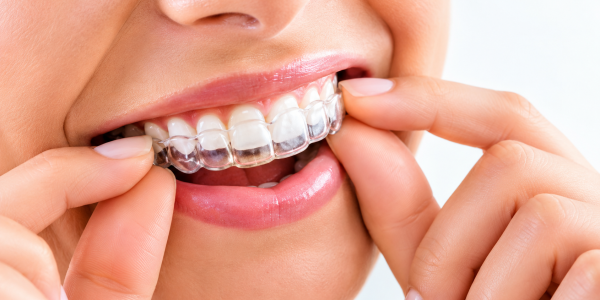
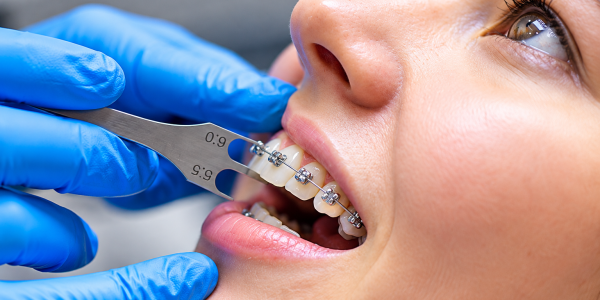
What Is Braces Treatment?
Braces treatment is an orthodontic treatment that uses controlled forces to gradually move teeth into planned positions. Depending on the patient’s needs, braces may be used to correct crowding, spacing, certain bite problems and other alignment concerns. Treatment planning is individualized, so the type of appliance and expected treatment duration can vary from person to person.
Traditional braces generally use brackets attached to the teeth and an archwire that applies controlled pressure. Adjustments over time allow the orthodontist to guide tooth movement progressively.
The objective is not simply to make teeth look straighter. Orthodontic treatment also considers how the upper and lower teeth meet and how the teeth function together.
Who May Need Braces?
Braces may be considered when teeth or the bite are not properly aligned.
Common orthodontic concerns include:
- Crowded teeth
- Gaps or spacing between teeth
- Protruding teeth
- Overbite
- Underbite
- Crossbite
- Open bite
- Certain bite irregularities
- Teeth that are difficult to clean because of their position
- Alignment concerns affecting appearance or function
However, having crooked teeth does not automatically mean that braces are the right treatment. An orthodontist needs to assess the teeth, gums, bite and overall oral condition before recommending treatment.
For children and teenagers, growth and dental development can also influence when orthodontic treatment should begin.
What Problems Can Braces Help Correct?
Crowded Teeth
Crowding occurs when there is insufficient space for teeth to align normally.
Depending on the severity and underlying cause, orthodontic treatment may create a more appropriate arrangement of the teeth.
Gaps Between Teeth
Spaces can occur between teeth for several reasons. Braces may be used to move teeth closer together when orthodontic treatment is appropriate.
Overbite
An overbite refers to the vertical overlap of the upper front teeth over the lower teeth. The severity and cause of the bite relationship need to be evaluated before treatment planning.
Underbite
An underbite occurs when the lower teeth extend in front of the upper teeth when the mouth is closed. Treatment depends on the individual’s dental and skeletal relationship.
Crossbite
A crossbite occurs when some upper teeth bite inside the lower teeth rather than outside them. Depending on the patient’s age and the underlying cause, different orthodontic approaches may be considered.
Open Bite
An open bite occurs when certain upper and lower teeth do not meet when the mouth is closed. Treatment planning considers the pattern and cause of the open bite.
What Types of Braces Are Available?
The appropriate appliance depends on the orthodontic problem, treatment goals, aesthetics, age and other clinical considerations.
1. Traditional Metal Braces
Metal braces are one of the most established orthodontic treatment options.
They use:
- Brackets
- Archwires
- Supporting components such as elastics where required
The orthodontist periodically adjusts the appliance to progressively guide tooth movement.
Metal braces are visible, but their established design makes them a commonly considered option for orthodontic treatment.
2. Ceramic Braces
Ceramic braces use tooth-coloured or less noticeable brackets.
They may appeal to patients who want a more discreet appearance while undergoing fixed orthodontic treatment.
However, whether ceramic braces are appropriate depends on the individual treatment requirements.
3. Other Orthodontic Appliances
Depending on the patient’s age and orthodontic problem, an orthodontist may consider other appliances or treatment approaches.
This is why choosing a treatment simply because it is less visible or more popular may not be appropriate. The appliance should be selected after understanding the orthodontic problem it needs to address.
Braces vs Clear Aligners: Which Is Right for You?
Braces and clear aligners are different orthodontic treatment approaches.
| Factor | Braces | Clear Aligners |
|---|---|---|
| Visibility | More noticeable | Generally less noticeable |
| Appliance | Fixed to teeth | Removable trays |
| Patient removal | No | Yes |
| Cleaning | Requires careful cleaning around brackets | Trays are removed for eating and oral hygiene |
| Compliance | Less dependent on wearing time | Requires consistent wear as instructed |
| Suitability | Depends on orthodontic problem | Depends on orthodontic problem |
There is no single option that is appropriate for every patient. The orthodontist should assess the alignment and bite before deciding whether braces, clear aligners or another approach is suitable.
How Does Braces Treatment Work?
Braces apply controlled forces to the teeth over time.
A typical treatment pathway may include:
1. Orthodontic Consultation
The orthodontist examines the teeth, bite and overall oral condition.
2. Diagnostic Assessment
Depending on the case, photographs, dental records and appropriate imaging may be used to understand tooth position and the relationship between the teeth and jaws.
3. Treatment Planning
The orthodontist determines what needs to be corrected and develops an individualized treatment plan.
4. Braces Placement
If fixed braces are selected, brackets are attached to the teeth and connected using orthodontic wires.
5. Periodic Adjustments
Follow-up appointments allow the orthodontist to monitor progress and make necessary adjustments.
6. Completion and Retention
Once active orthodontic treatment is completed, retainers are generally used to help maintain the corrected tooth positions.
How Long Does Braces Treatment Take?
The duration of braces treatment varies from patient to patient and cannot be accurately determined from the type of braces alone. Treatment time can be influenced by the severity of the alignment problem, bite relationship, tooth movement required, age, biological response and how consistently the patient follows orthodontic instructions.
Some cases may require a relatively shorter treatment period, while more complex cases may take longer.
Instead of choosing a clinic based on a promised treatment time, ask the orthodontist:
- What problems need to be corrected?
- What is the expected treatment sequence?
- What factors could extend treatment?
- How frequently will follow-up visits be required?
- What happens after the braces are removed?
A responsible treatment plan should explain that individual treatment duration varies.
Does Braces Treatment Hurt?
Braces are not usually described as continuously painful, but patients can experience temporary discomfort or pressure, particularly after braces are initially placed or adjusted.
You may notice:
- Tightness or pressure around the teeth
- Mild soreness
- Temporary sensitivity
- Irritation from brackets during the adjustment period
The level of discomfort varies between individuals.
If you experience severe, persistent or unusual pain, contact your orthodontic team rather than assuming that it is a normal part of treatment.
What Happens During a Braces Consultation?
A good orthodontic consultation should be more than simply looking at whether your teeth appear crooked.
The assessment may consider:
- Tooth alignment
- Bite relationship
- Spacing and crowding
- Jaw relationship
- Gum and oral health
- Dental development
- Previous dental treatment
- Treatment objectives
- Suitability of different orthodontic options
Depending on the case, diagnostic records or imaging may be recommended.
A useful question to ask is:
“What exactly are we correcting, and why is this treatment approach appropriate for my teeth and bite?”
This helps you understand the reasoning behind the treatment plan rather than choosing braces based only on appearance.
Can Adults Get Braces?
Yes. Adults can undergo orthodontic treatment when their teeth and supporting oral structures are suitable for treatment. Orthodontic treatment is not limited to teenagers.
Adults may seek treatment for:
- Crowded teeth
- Spacing
- Bite problems
- Teeth that have shifted
- Long-standing alignment concerns
- A desire to improve dental alignment
However, adult orthodontic planning may need to consider existing dental restorations, gum health, bone support, missing teeth and other oral-health factors.
A dental and orthodontic assessment is therefore important before starting treatment.
What About Braces for Children and Teenagers?
The appropriate time to begin orthodontic treatment depends on the child’s dental development and the problem being evaluated.
Some orthodontic problems may benefit from assessment while the child is still growing, while other concerns may be treated at a later stage.
Parents should not assume that every child needs braces at the same age.
An orthodontic evaluation can help determine:
- Whether treatment is currently needed
- Whether monitoring is appropriate
- Whether early intervention may be beneficial
- What type of treatment may eventually be required
What Should You Know About Oral Hygiene With Braces?
Cleaning your teeth carefully becomes particularly important when fixed braces are present.
Food debris and plaque can collect around brackets and wires, making thorough cleaning more challenging.
During treatment, patients should follow their dental team’s instructions regarding:
- Tooth brushing
- Interdental cleaning
- Fluoride use where recommended
- Regular dental check-ups
- Limiting foods that can damage orthodontic appliances
Good oral hygiene is part of successful orthodontic care—not an optional extra.
What Foods Should You Avoid With Braces?
Certain hard, sticky or chewy foods can damage orthodontic components.
Your orthodontic team may recommend avoiding or modifying foods such as:
- Very hard foods
- Sticky sweets
- Chewy foods
- Foods that require biting directly with the front teeth when they could damage brackets
- Habits such as chewing on pens or other hard objects
The exact dietary advice may vary depending on the appliance being used.
If a bracket or wire becomes loose or damaged, contact the clinic for guidance rather than attempting to repair it yourself.
What Happens After Braces Are Removed?
Removing braces does not necessarily mean orthodontic treatment is completely finished.
Retention is an important part of maintaining the position achieved through orthodontic treatment.
Teeth can naturally shift over time, so your orthodontist may recommend a retainer after active treatment.
The type of retainer and recommended wearing schedule depend on the individual case.
Patients should understand the retention phase before starting treatment—not only after the braces are removed.
What Factors Affect Braces Treatment Cost in Madurai?
There is no single price that applies to every braces patient.
The overall treatment cost may depend on factors such as:
- Type of braces or orthodontic appliance
- Complexity of the alignment problem
- Bite correction required
- Expected treatment duration
- Diagnostic records or imaging required
- Number and frequency of appointments
- Additional dental treatment needed before orthodontics
- Retention requirements
Therefore, an online price alone may not tell you what your complete treatment will involve.
During consultation, ask for clarity about what is included in the proposed treatment plan, including appointments, adjustments and retention.
Is Braces Treatment Only About Straightening Teeth?
No.
One of the most important distinctions in orthodontics is between straight-looking teeth and a properly planned bite.
Orthodontic treatment considers relationships between the upper and lower teeth, tooth position and, where relevant, jaw development.
The treatment objective is therefore not simply:
“Make the teeth look straight.”
It is to develop an alignment and bite that is appropriate for the individual patient while considering oral health and treatment limitations.
This distinction is particularly important when comparing orthodontic treatment based only on photographs or appearance.
How Should You Choose an Orthodontic Clinic in Madurai?
When comparing orthodontic clinics, consider more than treatment price.
Ask:
- Who will evaluate and plan my orthodontic treatment?
- What type of bite or alignment problem do I have?
- Why is this particular appliance being recommended?
- Are there alternative treatment options?
- How long might treatment take in my case?
- What could make treatment take longer?
- What should I expect during follow-up appointments?
- What happens after the braces are removed?
- Will I need other dental treatment before braces?
- What is included in the quoted treatment cost?
These questions help you compare treatment plans based on clinical reasoning rather than price or appearance alone.
Braces Treatment in Madurai: What to Expect Before You Start
Before beginning orthodontic treatment, make sure you understand your diagnosis, treatment objectives and proposed appliance.
A useful consultation should leave you with a clear understanding of:
Your concern → orthodontic assessment → treatment options → expected process → follow-up → retention
If additional dental problems such as untreated decay or gum disease are identified, these may need to be addressed before or alongside orthodontic treatment, depending on the situation.
Why Consider Dr. Amritha's Dentistry for Orthodontic Consultation?
For this section, the website should use only verified clinic-specific information rather than generic claims such as “best orthodontist” or “No.1 clinic.”
Based on the doctor information previously supplied for this website, the author/doctor information can be presented as:
Dr. Amritha L
Founder & Orthodontist
BDS – SRM University, Chennai
MDS – Orthodontics, The Tamil Nadu Dr. M.G.R. Medical University
Certified Invisalign Provider
Certified Aesthetic Dentist
Fellow in Advanced Aesthetic Dentistry
The clinic-specific treatment approach, technology, consultation workflow and orthodontic experience should be added only after confirming the current website information.
This follows the master prompt’s requirement to use genuine credentials and never manufacture authority or expertise.
Frequently Asked Questions
Braces treatment is an orthodontic treatment that gradually moves teeth into planned positions using controlled forces. It may help address problems such as crowding, spacing and certain bite irregularities.
The cost varies depending on the type of appliance, complexity of the case, treatment duration, diagnostic requirements and retention. A consultation is needed to determine the treatment plan and associated cost.
Treatment duration varies according to the patient's orthodontic problem, treatment complexity, tooth movement required and individual response to treatment.
Braces may cause temporary pressure, soreness or discomfort, particularly after placement or adjustments. The experience varies between patients.
Yes. Adults can receive orthodontic treatment when their teeth and supporting structures are suitable. Existing dental or gum conditions may need to be assessed first.
Neither should be considered universally better. The appropriate appliance depends on the patient's orthodontic needs, treatment objectives and individual circumstances.
Braces can be used to correct many cases of dental crowding. The orthodontist first needs to assess the amount and cause of crowding and determine the appropriate treatment approach.
Retainers are commonly used after active orthodontic treatment to help maintain tooth positions. The type and wearing schedule depend on the individual treatment plan.
Yes, children and teenagers may receive orthodontic treatment when appropriate. The ideal timing depends on dental development and the specific orthodontic concern.
The decision depends on the orthodontic problem, treatment objectives, suitability and patient factors. An orthodontic assessment can help determine which approach is appropriate.
A Practical Takeaway
If you are searching for braces treatment in Madurai, do not choose an orthodontic treatment solely because it looks less visible or has a lower advertised price.
Start by understanding what needs to be corrected, why it needs correction and which treatment approach is appropriate for your teeth and bite.
An orthodontic consultation can then help you understand your options, expected treatment process, duration, costs and retention requirements before you make a decision.
If you are considering orthodontic treatment, schedule a consultation with Dr. Amritha’s Dentistry to discuss your alignment and bite concerns and understand the treatment options appropriate for your case.