
Dentures Treatment
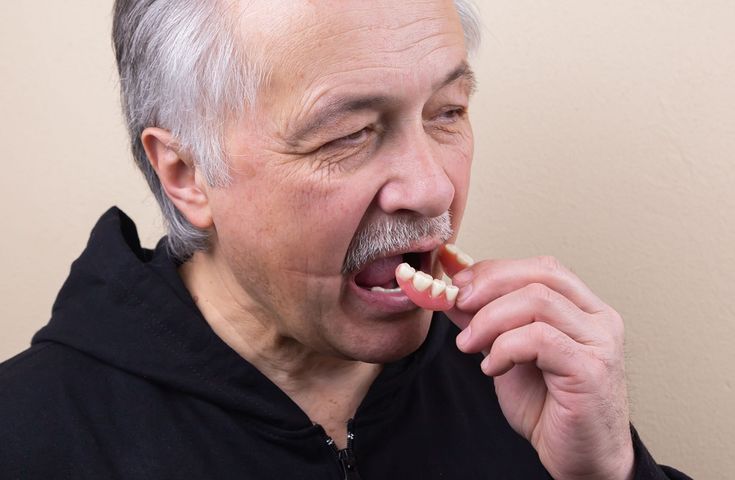
Dentures Treatment in Anna Nagar, Madurai
A Practical Solution for Replacing Multiple or Missing Teeth
Missing teeth can make everyday activities feel different. Food may be harder to chew, certain words may feel different to pronounce, and visible gaps can affect how you feel about your smile.
Dentures are removable dental appliances used to replace missing teeth. Depending on the extent of tooth loss, they can replace several teeth or all teeth in an upper or lower arch.
However, dentures are not simply about filling empty spaces. Their design needs to work with the remaining teeth, gums, oral tissues, bite, and shape of the mouth.
For some patients, a partial or complete denture may be appropriate. Others may need to consider bridges, dental implants or implant-supported options.
What Are Dentures?
Dentures are custom-made prosthetic appliances designed to replace missing natural teeth.
A conventional denture generally consists of artificial teeth attached to a denture base that sits within the mouth.
Depending on the patient's tooth loss, dentures may replace:
- Several missing teeth
- Multiple teeth across an arch
- Most teeth in an arch
- All teeth in an upper arch
- All teeth in a lower arch
The design is influenced by the individual’s oral anatomy and the amount and pattern of tooth loss.
When Are Dentures Considered?
Dentures may be considered when multiple teeth have been lost, and a patient requires tooth replacement.
They can be relevant when:
- Several teeth are missing
- Most teeth in an arch have been lost
- All teeth in an arch are missing
- An existing denture has become unsuitable
- Missing teeth are affecting chewing
- Tooth loss is affecting smile appearance
- A removable replacement is preferred
- Implant-based treatment is not suitable or is not the patient's preferred option
A dental assessment is needed before deciding whether dentures are the right solution.
Types of Dentures
The type of denture depends primarily on the extent and pattern of tooth loss.
Complete Dentures
Complete dentures replace all natural teeth in an upper or lower arch.
They are generally considered when there are no remaining natural teeth in that arch.
Partial Dentures
Partial dentures replace several missing teeth while some natural teeth remain.
Their design needs to work around the remaining dentition.
Removable Dentures
Conventional full and partial dentures can be removed by the patient for cleaning and maintenance.
Implant-Supported Dentures
In selected cases, dental implants can provide additional support for a denture.
This is a different treatment approach from a conventional denture and requires assessment for implant suitability.
Full or Complete Dentures
Replacing All Teeth in an Upper or Lower Arch
When all teeth in an arch are missing, a complete denture can provide a removable tooth-replacement option.
Its design may need to account for:
- Shape of the oral tissues
- Jaw relationship
- Available support
- Denture stability
- Bite
- Artificial tooth position
- Chewing requirements
- Smile appearance
Why Does Denture Stability Matter?
A complete denture that moves excessively can make eating and speaking more difficult.
The stability of a denture depends on several factors, including the anatomy of the mouth, supporting tissues, denture design, and individual adaptation.
This is why complete dentures need to be planned for the particular patient’s mouth rather than selected as a standard appliance.
Partial Dentures
Replacing Missing Teeth While Keeping Suitable Natural Teeth
A partial denture can replace several missing teeth when some natural teeth remain.
The remaining teeth are an important part of treatment planning.
The dentist may evaluate:
- Their health
- Their stability
- Their position
- Gum condition
- Their relationship to the missing spaces
- Their suitability within the proposed denture design
Why Can't Every Missing Tooth Be Treated With the Same Partial Denture?
The position of the missing teeth changes the way a denture needs to be designed.
For example, replacing teeth at the front of the mouth presents different functional and aesthetic considerations from replacing several teeth toward the back.
The denture therefore needs to be planned around the individual’s existing dentition.
Upper and Lower Dentures
Upper and lower dentures have different anatomical considerations.
Factors such as the available supporting area, tongue movement, muscle activity and relationship between the jaws can affect:
- Retention
- Stability
- Comfort
- Chewing
- Adaptation
This is one reason why the experience of wearing an upper denture can differ from wearing a lower denture.
What Can Dentures Help With?
Replacing Missing Teeth
Dentures provide artificial teeth where natural teeth have been lost.
Supporting Chewing
Replacement teeth can provide surfaces for chewing, although chewing with dentures may feel different from chewing with natural teeth.
Restoring Smile Appearance
A denture can fill visible spaces caused by tooth loss and restore the appearance of a more complete smile.
Supporting Speech
Missing teeth can contribute to changes in speech for some people. Replacing them may help, although speaking with a new denture can require adaptation.
Restoring Everyday Function
A suitable denture may help address some functional difficulties associated with extensive tooth loss.
Benefits of Dentures
For suitable patients, dentures can offer several practical benefits.
Replace Multiple Teeth
A partial denture can replace several missing teeth with one removable appliance.
Replace an Entire Arch
A complete denture can replace all teeth in an upper or lower arch.
Removable Tooth Replacement
Conventional dentures can be removed for cleaning and maintenance.
Restore Smile Appearance
Replacing missing teeth can reduce the visible gaps associated with tooth loss.
Provide a Non-Implant Option
For patients who prefer a removable solution or are not suitable for implant treatment, conventional dentures may be considered.
Are Dentures Suitable for Everyone?
No single denture is suitable for every patient.
Before recommending treatment, the dentist may need to consider:
Number of Missing Teeth
A patient missing three teeth has different requirements from someone missing every tooth in an arch.
Remaining Natural Teeth
For partial dentures, the health and position of remaining teeth can influence the design.
Gum and Oral-Tissue Health
The tissues supporting a removable denture need to be assessed.
Bite
The relationship between the upper and lower arches can affect artificial tooth positioning and denture function.
Oral Anatomy
The shape of the supporting tissues can influence retention and stability.
Treatment Expectations
Patients may have different priorities, such as appearance, chewing, convenience or avoiding implant surgery.
Alternative Treatments
Depending on the case, bridges, dental implants or implant-supported dentures may also be considered.
What Are the Limitations of Dentures?
Dentures can provide effective tooth replacement, but they do not function exactly like natural teeth.
Patients may experience:
- An adaptation period
- A different sensation while chewing
- Changes in speech initially
- The need for regular cleaning
- The need to remove the appliance for maintenance
- Movement of the appliance in some situations
- Changes in fit over time
A conventional denture also does not become biologically attached to the jaw in the way an implant does.
Understanding these differences helps patients choose treatment with realistic expectations.
Dentures for Multiple Missing Teeth
When several teeth are missing, dentures are one possible treatment rather than an automatic answer.
Depending on the dental condition, the options may include:
- Partial dentures
- Dental bridges
- Dental implants
- Implant-supported dentures
- Complete dentures where appropriate
The decision can depend on the location of the missing teeth, condition of the remaining teeth, gums, supporting tissues, bite, treatment goals and personal preferences.
Dentures vs Dental Implants
Dentures and dental implants replace missing teeth in fundamentally different ways.
Dentures
A conventional denture is a removable appliance that replaces missing teeth.
Dental Implants
An implant is placed into the jaw and can be used to support a replacement tooth or prosthesis.
Which One Should You Choose?
There is no universal answer.
A patient with extensive tooth loss may have different options from someone missing a single tooth.
Factors that may influence the decision include:
- Oral health
- Bone and tissue condition
- Number of missing teeth
- Remaining teeth
- Treatment objectives
- Preference for removable or implant-based treatment
- Suitability for surgical treatment
Dentures vs Dental Bridges
A bridge and a denture can both replace missing teeth, but they are not interchangeable.
Dental Bridge
A bridge is generally a fixed restoration used to replace selected missing teeth.
Denture
A conventional denture is removable and can replace several teeth or an entire arch depending on the type.
A bridge may not be suitable for every missing-tooth pattern, and a denture may not be the preferred solution for every patient.
An examination is needed to determine the available options.
Dentures vs Full Mouth Implants
For patients with extensive tooth loss, complete dentures and full-mouth implant treatment represent different approaches.
Complete Dentures
Replace all teeth in an arch using a removable appliance.
Full Mouth Implant Treatment
Uses dental implants as part of a comprehensive tooth-replacement plan.
The two approaches differ in:
- Support
- Removability
- Surgical requirements
- Maintenance
- Treatment planning
- Cost
- Clinical suitability
An implant-based solution requires an appropriate assessment before treatment.
How Do You Know Which Denture You Need?
Your pattern of tooth loss provides an important starting point.
If several natural teeth remain
A partial denture may be considered.
If all teeth in an arch are missing
A complete denture may be considered.
If you want additional support from implants
An implant-supported denture may be an option if clinically suitable.
If only one or a small number of teeth are missing
A bridge or dental implant may also be considered depending on the circumstances.
The final recommendation requires an examination of your mouth.
Dentures and the Remaining Natural Teeth
If you have natural teeth remaining, preserving their health can be an important part of denture treatment.
The dentist may assess for:
- Tooth decay
- Gum disease
- Tooth mobility
- Structural damage
- Unsuitable tooth position
- Other conditions affecting the long-term prognosis of the teeth
A partial denture should be planned around teeth that are suitable to remain.
Dentures and Gum Health
The gums and oral tissues interact directly with a conventional removable denture.
Existing inflammation, soreness or other gum concerns may need to be addressed before or during denture treatment.
Good oral hygiene remains important even after teeth have been replaced.
If you experience persistent:
- Gum soreness
- Bleeding
- Swelling
- Irritation
- Denture-related pressure
a dental assessment is advisable.
When Should You Consider a Denture Assessment?
A consultation may be appropriate if:
- You have several missing teeth
- You have complete tooth loss in an arch
- Missing teeth make chewing difficult
- Tooth loss has affected your smile
- Your existing denture has become loose
- Your denture causes recurring sore areas
- Your denture is damaged
- Your denture feels increasingly uncomfortable
- You are considering replacing an old denture
- You want to compare dentures with implants or bridges
The purpose of the assessment is not simply to decide whether you need dentures. It is to determine which tooth-replacement approach is most appropriate for your dental condition and goals.
Denture Consultation: Finding the Right Replacement for Your Teeth
A denture consultation should answer more than “Can I get dentures?”
It should help determine:
- Which teeth need replacement
- Whether any remaining teeth can be preserved
- Whether a partial or complete denture is appropriate
- Whether your gums and oral tissues can support the proposed denture
- Whether another treatment could provide a better solution
- What you can realistically expect from the finished denture
If you already wear dentures, the consultation can also focus on why they are no longer comfortable or functional.
Oral Examination Before Denture Treatment
Before a denture is designed, the dentist needs to understand the condition of the mouth.The assessment may look at:
Remaining Teeth
For a partial denture, the health, position and stability of remaining teeth can influence the design.
Gums and Oral Tissues
Inflammation, tenderness or changes in the tissues may affect comfort and denture support.
Bite
The relationship between the upper and lower arches can influence how artificial teeth are positioned.
Existing Denture
If you already have a denture, its fit, wear, damage and functional problems can be evaluated.
Missing-Tooth Pattern
The position and number of missing teeth help determine whether a partial or complete replacement is appropriate.
Denture Treatment Planning
Once the mouth has been assessed, the dentist can discuss the available treatment pathways.
Planning may involve:
Tooth loss → Oral assessment → Treatment options → Denture design → Fabrication → Fitting → Follow-up
The plan can take into account both immediate needs and longer-term oral health.
For example, if a patient has several missing teeth but also has unhealthy remaining teeth, treating those concerns may be important before finalizing a partial denture.
How Are Dentures Made?
The fabrication process varies according to the denture type and individual requirements.
1. Assessment
Your oral condition and tooth-replacement needs are evaluated.
2. Impressions or Dental Records
Appropriate impressions, measurements or other records may be taken to capture the relevant shape and dimensions of the mouth.
3. Denture Design
The position of the artificial teeth and denture base is planned according to the patient’s requirements.
4. Fabrication
The denture is produced according to the planned design.
5. Fitting
The completed appliance is placed in the mouth and assessed.
6. Refinement
Where necessary, adjustments can be made based on fit, comfort, bite and function.
What Happens During Denture Fitting?
The fitting appointment is an important part of treatment because the dentist needs to evaluate how the appliance behaves inside the mouth.
Attention may be given to:
- Fit
- Stability
- Retention
- Bite
- Comfort
- Speech
- Tooth position
- Areas of pressure
A denture can look satisfactory outside the mouth but still require adjustment once it is being used.
Why Denture Adjustments May Be Needed
Adjustment does not necessarily mean that something has gone wrong with the denture.
The mouth can respond differently once the appliance is being used, and certain pressure points or functional issues may only become apparent during everyday use.
An adjustment may be considered when you experience:
- Localized pressure
- Gum irritation
- Difficulty chewing
- Denture movement
- An uncomfortable bite
- Speech difficulties related to fit
Professional adjustment is preferable to attempting to alter the appliance yourself.
Getting Used to New Dentures
A new denture can feel noticeably different from natural teeth or an older denture.
You may initially notice:
- Increased awareness of the appliance
- Changes in speech
- Different chewing sensations
- Increased saliva
- Difficulty with insertion or removal
Adaptation is individual.
The objective during this stage is to become comfortable using the denture while identifying any problems that require professional attention.
Persistent pain or instability should not simply be accepted as normal adaptation.
Eating With Dentures
Eating with a new denture requires coordination between the denture, tongue, cheeks and chewing muscles.
During the initial period, you may find it easier to:
- Choose softer foods
- Cut food into smaller pieces
- Take smaller bites
- Chew slowly
- Distribute food between both sides where comfortable
As you adapt, you can gradually introduce foods according to your comfort and dental advice.
Very hard or sticky foods may be more challenging with some removable dentures.
Speaking With Dentures
A new denture can temporarily affect pronunciation because the tongue interacts differently with the replacement teeth and denture base.
You may notice changes with particular sounds.
Regular conversation and reading aloud can help you become familiar with the appliance.
If the denture repeatedly moves while speaking or speech difficulties continue, the fit should be assessed.
How to Clean Dentures
Denture care involves looking after both the appliance and your mouth.
Clean the Denture
Clean it regularly using a method suitable for the denture material and follow your dentist’s instructions.
Clean the Mouth
Clean your gums, tongue and oral tissues even if you have complete dentures.
Care for Remaining Teeth
If you have natural teeth, continue brushing and maintaining them appropriately.
Handle the Denture Carefully
Avoid dropping the appliance, particularly on hard surfaces.
Should You Remove Dentures at Night?
The appropriate wearing schedule depends on your denture and individual circumstances.
For many conventional removable dentures, the dentist may recommend removing them overnight so that the oral tissues have a period without the appliance.
However, recommendations can vary.
Follow the instructions provided for your specific denture rather than adopting a general wearing schedule without professional advice.
What If Your Dentures Feel Loose?
A loose denture can interfere with normal daily activities.
You may notice:
- Movement while chewing
- Slipping during speech
- Reduced confidence
- Difficulty biting certain foods
- Irritation from repeated movement
The cause should be identified before deciding on a solution.
Depending on the situation, treatment may involve:
Adjustment → Relining → Repair → Replacement
A denture adhesive should not be considered a substitute for professional evaluation when a denture has become persistently loose.
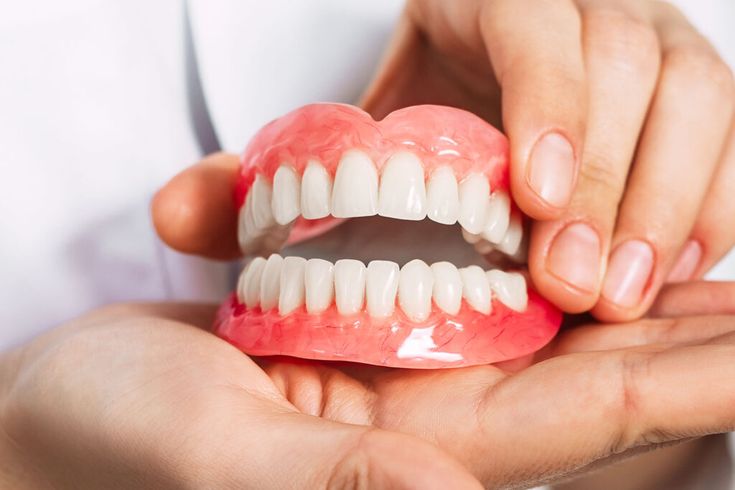
What If Dentures Cause Sore Spots?
A localized sore area can occur when a new denture places excessive pressure on a particular part of the oral tissue.
If soreness persists, the denture should be examined.
Your dentist can identify the area involved and determine whether an adjustment is appropriate.
Do not cut, grind or reshape the denture yourself, as this can compromise its fit.
Denture Repair
A denture can be damaged through accidental impact, wear or other causes.
Common problems include:
- Cracked denture base
- Broken artificial tooth
- Fractured components
- Damaged denture structure
Not every damaged denture should automatically be repaired.
The condition of the appliance, its age, fit and overall suitability should be considered before deciding between repair and replacement.
Denture Relining
The tissues supporting a denture can change over time.
When this happens, the fitting surface of an existing denture may no longer correspond closely with the current shape of the mouth.
In suitable cases, relining can modify the fitting surface to improve its adaptation to the supporting tissues.
Relining is not appropriate for every denture. The appliance and mouth should be evaluated first.
When Should Dentures Be Replaced?
A denture may need replacement when it can no longer provide an appropriate combination of fit, function and appearance.
Possible signs include:
- Persistent looseness
- Repeated breakage
- Significant wear
- Worn artificial teeth
- Difficulty chewing
- Recurring sore areas
- Major changes in fit
- An appliance that can no longer be adequately adjusted
Replacement should be based on the condition of the denture and mouth rather than age alone.
How Long Do Dentures Last?
There is no guaranteed lifespan for every denture.
Longevity can be affected by:
- Material
- Daily use
- Cleaning
- Accidental damage
- Wear
- Changes in oral tissues
- Changes in the remaining teeth
- Fit and stability
Regular dental reviews can help determine whether an existing denture remains appropriate.
Can Dentures Change Fit Over Time?
Yes.
The mouth can change after a denture has been made. Changes in the supporting tissues can alter how closely the denture adapts to the mouth.
You may notice:
- Increased movement
- Reduced stability
- New pressure areas
- Difficulty chewing
- Reduced comfort
A change in fit does not automatically mean that a new denture is required. Depending on the condition of the appliance, adjustment or relining may be possible.
Denture Cost in Anna Nagar, Madurai
The cost of dentures varies because different patients require different types and designs.
Factors that can influence the treatment cost include:
- Full or partial denture
- Number of teeth being replaced
- Denture materials
- Design requirements
- Fabrication
- Condition of remaining teeth
- Dental treatment required before the denture
- Adjustments
- Relining
- Repair or replacement
A personalized estimate is more meaningful than relying on a generic denture price.
What Should You Check Before Comparing Denture Prices?
A low initial price does not necessarily represent the complete treatment cost.
When comparing options, understand what is included in the proposed treatment:
- Consultation
- Oral assessment
- Impressions or records
- Denture fabrication
- Fitting
- Adjustments
- Follow-up
- Any necessary preliminary dental treatment
This allows you to compare treatment plans rather than simply comparing appliance prices.
Dentures vs Implant-Supported Options
Patients with extensive tooth loss may want to compare conventional dentures with implant-supported alternatives.
Conventional Dentures
These are removable and primarily supported by the oral tissues.
Implant-Supported Dentures
These use dental implants to provide additional support for the denture.
Implant-supported treatment involves additional assessment and may require surgical procedures.
Factors such as bone availability, oral health, treatment objectives, maintenance and overall suitability need to be considered.
When Should You See a Dentist About Your Dentures?
A professional assessment is advisable if you experience:
- Persistent pain
- Recurring sore areas
- Increasing looseness
- Difficulty chewing
- Difficulty speaking
- Repeated denture movement
- Cracks or fractures
- Broken artificial teeth
- Significant wear
- Changes in fit
These symptoms can have different causes. The appropriate solution may be an adjustment, repair, relining, replacement, or another tooth-replacement approach.
Meet Dr. Amritha Lenin
Dr. Amritha Lenin is an Orthodontist and Aesthetic Dentist associated with Dr. Amritha’s Dentistry.
Her professional profile includes BDS, MDS in Orthodontics, Fellowship in Advanced Aesthetic Dentistry (FAAD), Advanced Laser Dentistry training, and Digital Smile Design & Facial Aesthetics training. Her profile also describes experience in general dentistry and specialized orthodontic practice.
For patients considering tooth replacement, treatment planning should look beyond the missing teeth themselves and consider the remaining dentition, gums, oral tissues, bite, smile appearance and functional requirements.
Why Choose Dr. Amritha’s Dentistry for Dentures?
Assessment Before Recommendation
Rather than treating every missing-tooth case with the same denture, the treatment approach can begin by evaluating the individual’s oral condition and pattern of tooth loss.
Full and Partial Denture Planning
The requirements for replacing an entire arch are different from those for replacing several missing teeth while retaining natural teeth. The denture approach can therefore be planned around the patient’s existing dentition.
Focus on Function as Well as Appearance
A denture needs to work within the mouth. Fit, stability, chewing, speech and appearance all contribute to the overall treatment outcome.
Existing Denture Problems Can Be Evaluated
If an older denture has become loose, uncomfortable or damaged, the appropriate solution may be adjustment, relining, repair or replacement depending on the underlying problem.
Alternative Tooth-Replacement Options
Where appropriate, patients can discuss other approaches to replacing missing teeth, including dental bridges, dental implants and implant-supported dentures.
Aesthetic Dental Perspective
Dr. Amritha Lenin’s background in aesthetic dentistry and digital smile design provides relevant experience in considering the appearance of the smile alongside dental function.
Choosing Dentures Based on Your Tooth-Loss Pattern
The right tooth-replacement approach starts with understanding what has actually been lost.
If several teeth are missing but suitable natural teeth remain, a partial denture may be considered.
If every tooth in an upper or lower arch is missing, a complete denture may be considered.
If a patient is looking for greater support from an implant-based solution, an implant-supported denture may be discussed where clinically appropriate.
For a small number of missing teeth, a bridge or dental implant may provide another possible pathway.
The important question is therefore not simply “Which denture should I buy?”, but “Which form of tooth replacement is appropriate for my mouth?”
When a Partial Denture May Be Considered
A partial denture can replace multiple missing teeth while some natural teeth remain.
It may be considered when:
- Several teeth are absent
- Natural teeth remain in the arch
- A removable replacement is acceptable
- The remaining teeth and tissues can accommodate the planned design
The remaining teeth need particular attention because they form part of the environment in which the partial denture functions.
If those teeth have decay, gum disease, mobility or significant structural problems, they may need treatment before or alongside denture planning.
When a Complete Denture May Be Considered
A complete denture may be considered when all natural teeth are missing from an upper or lower arch.
The challenge is not simply replacing the visible teeth. The denture also needs to interact appropriately with the supporting tissues and opposing arch.
Treatment planning can consider:
- Available tissue support
- Jaw relationship
- Bite
- Denture stability
- Artificial tooth arrangement
- Chewing requirements
- Smile appearance
A removable complete denture will feel and function differently from natural teeth, so understanding its capabilities and limitations is an important part of treatment planning.
Existing Dentures That No Longer Fit
If your old denture has gradually become loose, uncomfortable or difficult to use, replacing it immediately may not always be the first step.
The dentist can determine whether the problem is related to:
- Changes in the supporting tissues
- Denture wear
- Damage
- Changes in the bite
- Loss of adaptation
- Changes in remaining teeth
Depending on the findings, the possible solutions may include:
Adjustment
Minor changes to improve the fit or function.
Relining
Modification of the fitting surface when appropriate.
Repair
Correction of certain types of damage.
Replacement
A new denture when the existing appliance is no longer suitable.
Dentures and Oral Hygiene
A removable denture does not remove the need for daily oral care.
If natural teeth remain, they should continue to be cleaned and maintained.
For patients with complete dentures, the gums, tongue and oral tissues also require regular care.
Good denture hygiene involves:
- Regular cleaning of the appliance
- Appropriate oral hygiene
- Careful handling
- Following the recommended wearing routine
- Professional dental reviews
Persistent oral soreness, inflammation or irritation should be evaluated rather than attributed automatically to the denture.
Dentures and Long-Term Dental Care
Your mouth can change after a denture has been made.
Changes in the supporting tissues can affect the way the denture fits, while remaining teeth can develop new dental problems.
Long-term care can therefore involve monitoring:
- Denture fit
- Denture stability
- Gum health
- Oral tissues
- Remaining teeth
- Bite
- Denture wear
A denture that worked well several years ago may not provide the same fit today.
Dentures for Patients With Previous Tooth Loss
A patient who has already experienced extensive tooth loss may have different treatment considerations from someone who has recently lost several teeth.
Previous dentures, extractions, remaining teeth and changes in the mouth can all influence treatment planning.
If you already wear a denture, tell your dentist about specific problems such as:
- Persistent looseness
- Difficulty eating
- Repeated breakage
- Sore areas
- Changes in speech
- Difficulty keeping the appliance stable
These details can help identify what needs to change in the next treatment.
Dentures and Smile Appearance
Replacing missing teeth can make a noticeable difference to the appearance of a smile.
Denture design can consider:
- Artificial tooth size
- Tooth shape
- Tooth position
- Arrangement of the teeth
- Relationship with the lips
- Overall smile proportions
Aesthetic planning should still remain realistic.
The objective is not simply to create very white or uniformly shaped artificial teeth, but to create an arrangement that is appropriate for the individual patient’s mouth and facial appearance.
Dentures and Facial Appearance After Tooth Loss
Extensive tooth loss can change the support provided to the lips and lower facial region.
Replacing missing teeth may influence the appearance of the smile and facial profile.
However, the result depends on:
- Amount of tooth loss
- Existing tissue support
- Denture design
- Tooth arrangement
- Jaw relationship
- Individual facial anatomy
For this reason, a specific cosmetic outcome should not be promised before the patient’s dental condition has been assessed.
Dentures for Older Adults
Dentures can be considered by older adults who have multiple or complete tooth loss.
Treatment planning should consider more than age.
Practical factors may include:
- Ability to insert and remove the appliance
- Ability to clean the denture
- Chewing requirements
- Comfort
- Oral hygiene
- Existing dental conditions
- Ability to attend follow-up appointments
Where another person assists with daily care, they should also understand the recommended denture-cleaning and handling routine.
Dentures for First-Time Wearers
First-time denture wearers often need to learn how the appliance behaves during everyday activities.
The initial adjustment period may involve:
Eating
Learning how to position and chew food comfortably.
Speaking
Becoming accustomed to the relationship between the tongue and artificial teeth.
Insertion and Removal
Developing confidence with handling the appliance.
Cleaning
Learning the appropriate routine for maintaining both the denture and the mouth.
A new denture should not cause persistent pain. Ongoing discomfort or instability warrants professional assessment.
Conventional Dentures or Implant-Supported Treatment?
Patients with extensive tooth loss may have different treatment pathways.
Conventional Dentures
These are removable appliances supported primarily by the oral tissues.
Implant-Supported Dentures
These use dental implants to provide additional support for the denture in suitable cases.
Full Mouth Implant Treatment
This uses dental implants as part of a more comprehensive implant-based tooth-replacement approach.
These treatments differ in:
- Procedure
- Support
- Removability
- Maintenance
- Treatment planning
- Cost
- Clinical requirements
An implant assessment is required before determining whether implant-supported treatment is appropriate.
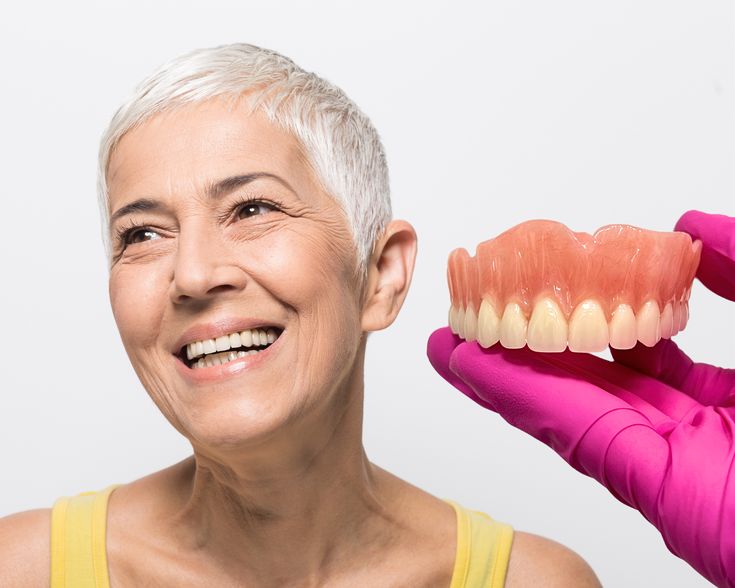
Why Denture Follow-Up Matters
Denture treatment does not necessarily end when the appliance is delivered.
Follow-up can help identify whether:
- The denture remains comfortable
- The bite is appropriate
- There are pressure areas
- The appliance is stable
- The oral tissues are healthy
- The denture has developed wear or damage
If the mouth changes or the denture becomes unsuitable, professional assessment can determine the next step.
Signs Your Denture May Need Professional Attention
Do not ignore a denture that:
- Repeatedly slips during eating
- Moves while speaking
- Causes recurring sore spots
- Feels significantly looser than before
- Has developed cracks
- Has a broken artificial tooth
- Makes chewing increasingly difficult
- Has visibly worn artificial teeth
- No longer feels comfortable
These symptoms do not all require the same treatment.
The solution may be an adjustment, repair, relining, replacement or a different tooth-replacement option.
Dentures and Quality of Daily Function
The practical value of a denture is experienced during everyday activities.
A suitable denture may help address concerns related to:
Eating
Replacement teeth provide surfaces that can assist with chewing.
Speaking
Replacing missing teeth may help address some changes associated with tooth loss, although adaptation varies.
Smiling
Artificial teeth can restore the visible appearance of missing teeth.
Social Confidence
Some patients feel more comfortable speaking and smiling after replacing visible missing teeth.
The extent of improvement depends on the individual, the denture design, fit and adaptation.
Making an Informed Denture Decision
Before deciding on dentures, consider the entire treatment rather than only the appearance of the finished appliance.
A useful discussion should cover:
- What type of tooth loss do you have?
- Which natural teeth can be retained?
- Are the gums and supporting tissues healthy?
- Would a partial or complete denture be appropriate?
- Could a bridge be considered?
- Could dental implants be considered?
- What level of stability can reasonably be expected?
- How will the denture need to be maintained?
- What happens if the fit changes?
- What follow-up may be required?
Understanding these factors allows you to choose tooth replacement based on clinical suitability, function, appearance and long-term practicality.
Frequently Asked Questions About Dentures in Anna Nagar, Madurai
Dentures are removable dental appliances used to replace missing teeth. They can be designed as partial or complete dentures depending on the extent of tooth loss.
They may be. A partial denture can be considered when several teeth are missing and suitable natural teeth remain. Other options may also be available.
Yes. Complete dentures can replace all missing teeth in an upper or lower arch when appropriate.
A complete denture replaces all teeth in an arch, whereas a partial denture replaces several missing teeth while some natural teeth remain.
No removable denture feels exactly like natural teeth. A new wearer may need time to adapt to differences in chewing, speaking and the sensation of wearing the appliance.
Changes in the supporting oral tissues, denture wear, damage and changes in the mouth can all affect fit and stability.
Sometimes. Depending on the cause and condition of the appliance, adjustment or relining may improve the fit. Replacement may be necessary when the existing denture is no longer suitable.
Dentures can assist with chewing, but eating may feel different from eating with natural teeth. New wearers often need an adaptation period.
Dentures can replace visible missing teeth and restore the appearance of a more complete smile. Tooth arrangement and denture design influence the final appearance.
Dentures should be cleaned regularly using methods appropriate for their material. The gums, tongue, oral tissues and any remaining natural teeth also need appropriate care.
The recommended wearing schedule depends on the individual and the type of denture. Follow the instructions provided by your dentist.
There is no fixed lifespan for every denture. Wear, damage, maintenance, fit and changes in the mouth can influence how long an appliance remains suitable.
The cost varies according to factors such as the type of denture, materials, design, number of teeth being replaced and any additional dental treatment required. An individual assessment is needed for an accurate estimate.
Neither treatment is universally better. Dentures and implants use different approaches to tooth replacement, and suitability depends on the patient's oral condition, treatment goals and preferences.
The decision depends on your missing-tooth pattern, remaining teeth, gums, oral tissues, bite, treatment goals and suitability for alternatives such as bridges or dental implants.
Restore Your Smile With Denture Treatment in Anna Nagar, Madurai
If missing teeth are making eating, speaking or smiling more difficult, a personalised dental assessment can help you understand whether a partial denture, complete denture or another tooth-replacement approach is appropriate.
Dr. Amritha’s Dentistry
Vaigai Colony, Anna Nagar, Madurai, Tamil Nadu – 625020
Phone: 090032 21393
Book a denture consultation to discuss your tooth-replacement options.
Dr. Amritha’s Dentistry
Dr. Amritha’s Dentistry,
Vaigai Colony, Anna Nagar, Madurai, Tamil Nadu – 625020
Phone: 090032 21393
Contact the clinic to schedule a consultation for dentures in Madurai.