
Teeth Alignment
Teeth Alignment in Anna Nagar, Madurai
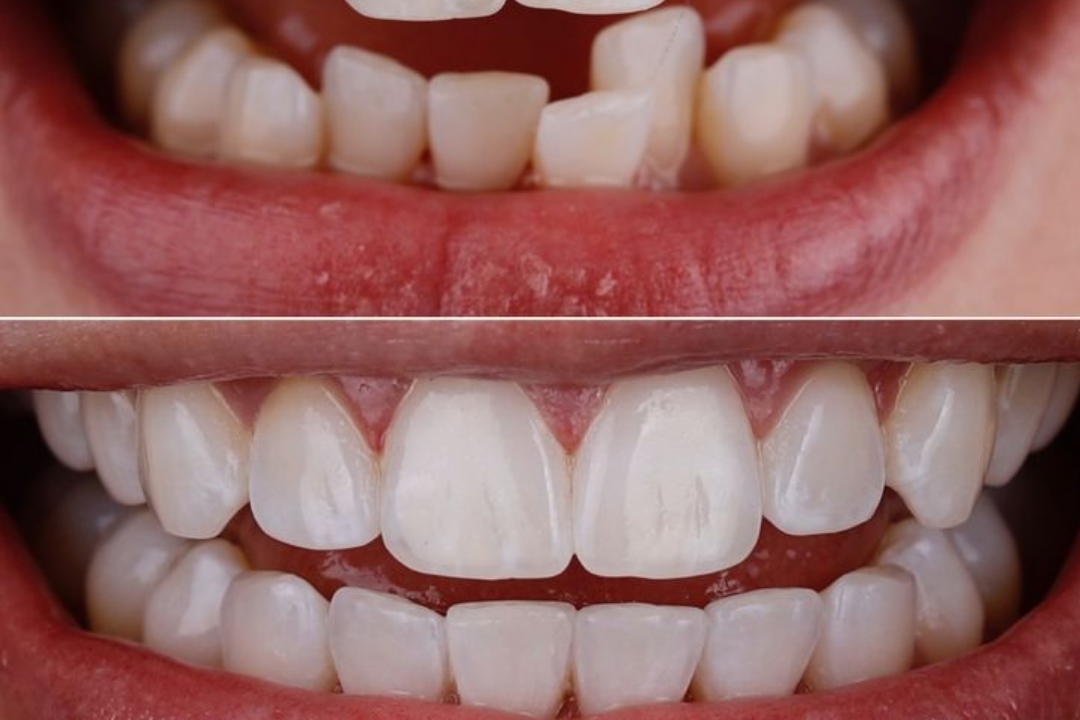
Personalized Orthodontic Treatment for Crooked, Crowded & Misaligned Teeth
Teeth alignment is an important part of orthodontic care. If your teeth are crooked, crowded, rotated, overlapping, or spaced unevenly, orthodontic treatment may help improve their position and the way the upper and lower teeth come together.
At Dr. Amritha’s Dentistry in Vaigai Colony, Anna Nagar, Madurai, teeth alignment treatment is planned according to the individual’s dental condition, bite, treatment goals and required tooth movements.
Depending on the case, orthodontic treatment may involve braces, clear aligners or Invisalign.
The right treatment is not determined by appearance alone. An orthodontic assessment helps identify the underlying alignment or bite concern and determine which treatment approach is appropriate.
What Is Teeth Alignment?
Teeth alignment refers to the position and relationship of the teeth within the dental arches and how the upper and lower teeth come together.
Ideally, teeth should have an appropriate relationship with neighboring teeth and with the opposing teeth in the other arch.
When teeth are significantly crowded, rotated, tilted, spaced or otherwise misaligned, orthodontic treatment may be considered.
Teeth alignment treatment can focus on:
- Position of individual teeth
- Alignment of the dental arches
- Dental crowding
- Spacing
- Tooth rotations
- Overlapping teeth
- Bite relationship
- Overall smile alignment
The treatment objective varies from patient to patient.
What Causes Misaligned Teeth?
Teeth can become or develop in misaligned positions for different reasons.
Potential contributing factors can include:
- Limited space in the dental arch
- Tooth size and arch-size relationships
- Tooth eruption patterns
- Genetic factors
- Jaw and dental development
- Certain oral habits
- Previous orthodontic treatment and subsequent tooth movement
- Other individual dental or skeletal factors
Not every case has one identifiable cause.
An orthodontic assessment can help determine what is contributing to the particular alignment problem.
What Are Common Signs of Misaligned Teeth?
You may notice:
- Teeth that overlap
- Crooked front teeth
- Crowded teeth
- Gaps between teeth
- Rotated teeth
- Teeth positioned too far forward or backward
- Uneven dental arches
- Upper and lower teeth that do not meet comfortably
- Difficulty cleaning certain areas because of tooth position
Some alignment concerns are mainly aesthetic, while others may be associated with bite or functional concerns.
What Is Dental Crowding?
Dental crowding occurs when there is insufficient space for teeth to align normally within the dental arch.
Crowded teeth may overlap, rotate or appear pushed out of their expected positions.
The severity can vary considerably.
Mild crowding
A small amount of overlap or rotation may be present.
Moderate crowding
Several teeth may overlap or require more substantial repositioning.
More complex crowding
Significant space limitations or associated bite concerns may require more comprehensive orthodontic planning.
The appropriate treatment depends on the individual case.
Teeth Alignment for Crowded Teeth
Crowded teeth are one of the common reasons patients seek orthodontic care.
Treatment planning may evaluate:
- Amount of crowding
- Available space
- Tooth positions
- Tooth rotations
- Dental arch form
- Bite
- Supporting tissues
- Required tooth movements
Depending on the diagnosis, treatment may involve braces or clear aligners.
In more complex cases, the orthodontist may recommend an approach other than a straightforward alignment treatment.
Teeth Alignment for Crooked Teeth
Crooked teeth can affect the appearance of the smile and may sometimes make certain areas more difficult to clean.
Orthodontic treatment can gradually reposition suitable teeth according to a planned treatment strategy.
The orthodontist may assess:
- Which teeth are affected
- Degree of misalignment
- Tooth rotation
- Available space
- Bite
- Overall alignment
The goal is to develop a treatment plan appropriate for the individual rather than applying the same approach to every crooked-tooth case.
Teeth Alignment for Gaps
Gaps between teeth are known as spacing.
Some spaces can be closed through orthodontic tooth movement.
However, the reason for the space matters.
Spacing can be associated with different dental or developmental factors, so an orthodontic assessment is important before treatment.
The treatment plan may consider:
- Size of the space
- Location
- Number of spaces
- Tooth position
- Bite
- Underlying cause
Can Teeth Alignment Treatment Correct Rotated Teeth?
Certain rotated teeth can be repositioned through orthodontic treatment.
The degree of rotation and the position of the tooth influence treatment planning.
The orthodontist will determine:
- How much rotation is present
- Direction of movement required
- Available space
- Relationship with neighboring teeth
- Overall bite
Braces or clear aligners may be considered depending on the individual case.
Can Teeth Alignment Improve Your Bite?
Teeth alignment and bite are closely related.
A bite problem can involve the way the upper and lower teeth meet.
Orthodontic assessment may identify concerns such as:
- Overbite
- Underbite
- Crossbite
- Open bite
- Uneven tooth contact
- Other occlusal relationships
Depending on the cause and complexity, orthodontic treatment may help improve certain bite relationships.
Teeth Alignment vs Smile Makeover
These services should not be confused.
Teeth alignment
Focuses primarily on orthodontic tooth position and alignment, including selected bite concerns.
Smile makeover
Generally refers to a broader aesthetic treatment plan that may involve one or more cosmetic or restorative dental procedures.
A patient may require orthodontic alignment before or as part of a broader aesthetic treatment plan, depending on the situation.
Teeth Alignment vs Braces
Teeth alignment is the treatment objective; braces are one method used to achieve orthodontic tooth movement.
For example:
Goal: Improve tooth alignment
Possible treatment: Braces
Similarly:
Goal: Improve tooth alignment
Possible treatment: Clear aligners
This distinction is important because patients searching for teeth alignment treatment in Madurai may not yet know which orthodontic appliance is appropriate for them.
Teeth Alignment vs Invisalign
Invisalign and clear aligners are another orthodontic approach that may be suitable for selected alignment problems.
The choice between:
- Metal braces
- Ceramic braces
- Other fixed orthodontic appliances
- Clear aligners
depends on the patient’s orthodontic condition and treatment requirements.
An orthodontist should determine the appropriate appliance after assessment.
What Treatment Options Are Available for Teeth Alignment?
Metal Braces
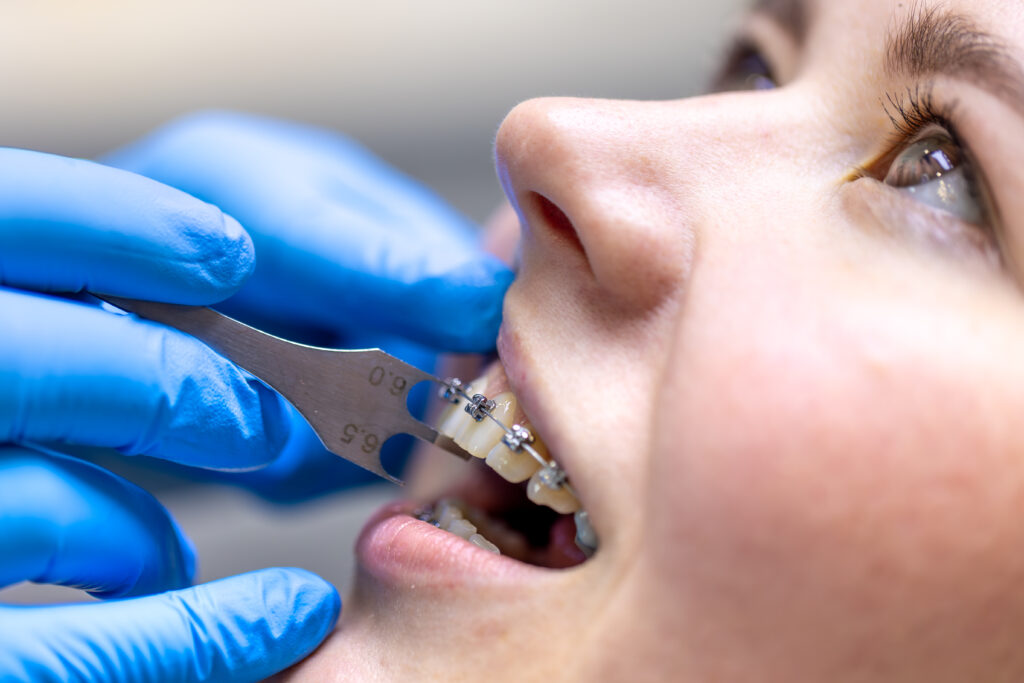
Traditional metal braces use fixed brackets and arch wires to gradually move teeth.
They are an established orthodontic treatment option and may be appropriate for a wide range of alignment problems.
Ceramic Braces
Ceramic braces use less noticeable brackets and may appeal to patients who prefer a more discreet fixed orthodontic appliance.
Their suitability depends on the individual orthodontic case.
Clear Aligners
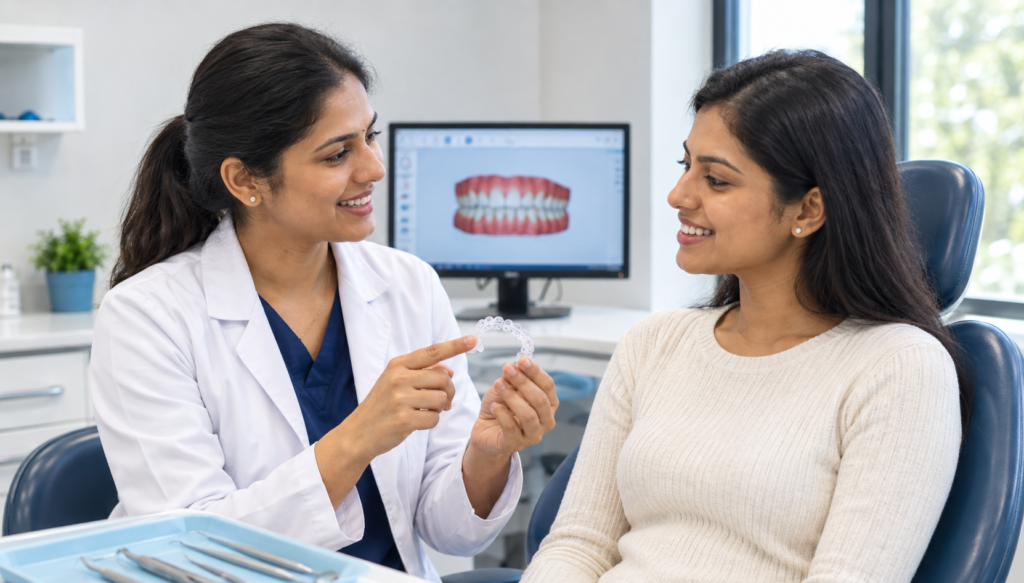
Clear aligners are removable transparent orthodontic appliances.
They may be appropriate for selected alignment and bite concerns.
Patient compliance is important because the aligners need to be worn according to the orthodontist’s instructions.
Invisalign
Invisalign is a branded clear-aligner system.
It may be considered when a patient is suitable for this type of orthodontic treatment.
The decision should be based on diagnosis and treatment planning rather than brand preference alone.
Which Teeth Alignment Treatment Is Right for You?
There is no single treatment that is best for every patient.
Your orthodontist may consider:
Your alignment problem
Is it crowding, spacing, rotation, crooked teeth or a bite concern?
Complexity
How much tooth movement is required?
Bite
How do your upper and lower teeth relate to each other?
Age and dental development
This can influence orthodontic planning.
Lifestyle
Would a fixed or removable appliance fit your routine?
Aesthetic preference
Would you prefer conventional metal braces, ceramic braces or a clear-aligner option?
Compliance
Can you follow the requirements of removable aligners if they are recommended?
Why an Orthodontic Assessment Comes First
Choosing treatment before understanding the problem can lead to the wrong expectations.
A proper orthodontic evaluation follows a more logical sequence:
Identify the concern
↓
Examine the teeth and bite
↓
Understand the orthodontic problem
↓
Determine required tooth movements
↓
Discuss treatment options
↓
Select an appropriate approach
↓
Monitor progress
This is the foundation of personalized teeth alignment treatment.
Teeth Alignment for Adults
Adults can seek orthodontic treatment for alignment concerns at different stages of life.
Common reasons include:
- Crooked front teeth
- Crowding
- Spacing
- Tooth rotations
- Bite concerns
- Teeth that have shifted after previous braces
- Desire for a more balanced smile
Depending on the case, adults may discuss:
Metal braces + Ceramic braces + Clear aligners
with their orthodontist.
Teeth Alignment for Teenagers
Teenagers may be evaluated for orthodontic treatment as their permanent teeth develop.
An orthodontist may assess:
- Tooth eruption
- Dental development
- Alignment
- Crowding
- Bite
- Jaw relationship
- Growth considerations
The appropriate timing and type of treatment depend on the individual’s needs.
Can Teeth Move Again After Orthodontic Treatment?
Yes, teeth can change position over time after active orthodontic treatment.
This is why retention is an important part of orthodontic care.
Patients may be advised to wear retainers after completing braces or clear-aligner treatment.
The type and schedule of retention depend on the individual treatment plan.
Teeth Alignment and Long-Term Oral Health
Orthodontic treatment is not simply about having straighter-looking teeth.
Proper oral hygiene remains important before, during and after treatment.
Patients should continue:
- Brushing
- Flossing
- Interdental cleaning where appropriate
- Routine dental examinations
- Professional dental care when required
The goal is to maintain healthy teeth and gums alongside improved alignment.
Teeth Alignment in Madurai
If you are looking for teeth alignment treatment in Madurai, the first step is to identify what is causing the misalignment and what type of correction is required.
At Dr. Amritha’s Dentistry, Vaigai Colony, Anna Nagar, Madurai, patients can discuss alignment concerns and orthodontic treatment options with an orthodontist.
Depending on the clinical situation, treatment may involve braces, clear aligners or Invisalign.
How Does Teeth Alignment Treatment Work?
Teeth alignment treatment is planned around the position of your teeth and the relationship between your upper and lower teeth.
A typical treatment journey may include:
Orthodontic Consultation
↓
Dental & Bite Assessment
↓
Records / Digital Scanning / Imaging as Required
↓
Diagnosis & Treatment Planning
↓
Selection of Braces or Clear Aligners
↓
Active Orthodontic Treatment
↓
Regular Progress Monitoring
↓
Treatment Completion
↓
Retention
The exact process varies according to the patient’s orthodontic condition.
Step 1: Orthodontic Consultation
The first step is to discuss what concerns you about your teeth.
You may be seeking treatment because of:
- Crooked front teeth
- Crowding
- Gaps
- Rotated teeth
- Overlapping teeth
- Bite concerns
- Teeth that shifted after previous orthodontic treatment
- Overall smile alignment
Your orthodontist can then assess your concerns and explain the possible treatment approaches.
Step 2: Assessing Your Teeth and Bite
Teeth alignment is not evaluated by looking at the front teeth alone.
An orthodontic assessment may consider:
- Position of individual teeth
- Dental arch alignment
- Crowding
- Spacing
- Tooth rotations
- Overbite
- Underbite
- Crossbite
- Open bite
- Relationship between upper and lower teeth
- Dental and gum health
This assessment helps determine the complexity of the alignment problem.
Step 3: Digital Records and Diagnostic Assessment
Modern orthodontic treatment can incorporate digital dental records and imaging when clinically appropriate.
Digital records may help with:
- Recording the starting position of the teeth
- Treatment planning
- Assessing tooth alignment
- Communicating treatment objectives
- Monitoring changes during treatment
If additional imaging is required, your dental professional can recommend the appropriate diagnostic examination based on your case.
Step 4: Creating a Personalized Treatment Plan
Once the orthodontic assessment is complete, the treatment objectives can be established.
Your treatment plan may address:
Tooth alignment
Which teeth need to be repositioned?
Crowding or spacing
Is there insufficient space or excessive spacing?
Tooth rotation
Do individual teeth need rotational correction?
Bite
How should the upper and lower teeth relate to each other?
Aesthetic objectives
What changes are you hoping to achieve in your smile?
The treatment plan should balance function, alignment and aesthetics.
Braces or Clear Aligners for Teeth Alignment?
There are several ways to approach orthodontic tooth movement.
The two commonly discussed options are:
Braces
Fixed orthodontic appliances that use brackets and archwires to guide tooth movement.
Clear Aligners
Removable transparent orthodontic appliances that are worn according to a prescribed schedule.
For suitable cases, both approaches can be used to improve tooth alignment.
The choice depends on the individual orthodontic diagnosis.
How Do You Choose Between Braces and Clear Aligners?
There is no universal answer.
Your orthodontist may consider:
- Type of alignment problem
- Complexity of the case
- Required tooth movements
- Bite relationship
- Age and dental development
- Lifestyle
- Aesthetic preference
- Ability to follow treatment instructions
For example, a patient who wants a discreet removable appliance may prefer clear aligners if clinically suitable, while another patient may be better suited to fixed braces.
Clinical suitability should come before appliance preference.
Teeth Alignment With Braces
Braces use fixed brackets and archwires to apply controlled orthodontic forces.
They may be considered for:
- Crowded teeth
- Crooked teeth
- Spacing
- Tooth rotations
- Selected bite problems
- Other orthodontic alignment concerns
Because braces are fixed to the teeth, patients do not need to remember to put them back in after meals.
However, they do require careful oral hygiene and regular orthodontic appointments.
Teeth Alignment With Clear Aligners
Clear aligners are removable transparent orthodontic appliances.
For suitable patients, they may provide a more discreet alternative to fixed braces.
Treatment generally involves a series of aligners that are worn according to the orthodontist’s instructions.
Consistent wear is important because treatment depends on the planned sequence of tooth movements.
For more information about this treatment option, the dedicated Invisalign / Clear Aligners page should provide the detailed treatment information rather than duplicating the entire topic here.
How Long Does Teeth Alignment Treatment Take?
There is no standard treatment duration for every patient.
The time required depends on the individual’s orthodontic condition and the complexity of the movements needed.
Factors can include:
- Severity of crowding
- Amount of spacing
- Tooth rotations
- Bite correction
- Number of teeth involved
- Age and dental development
- Type of appliance
- Patient compliance
- Individual treatment response
Your orthodontist can provide an estimated treatment timeline after evaluating your teeth and bite.
Does Teeth Alignment Treatment Hurt?
Orthodontic treatment can cause temporary pressure, tenderness or mild discomfort as the teeth respond to controlled orthodontic forces.
This may be noticed:
- When braces are first placed
- After orthodontic adjustments
- When beginning a new aligner
- During certain stages of tooth movement
The experience varies between patients.
If pain is severe, persistent or unusual, contact your orthodontist rather than trying to manage the problem without professional advice.
What Should You Expect During Orthodontic Treatment?
Your experience depends on the treatment method.
With braces, you may need to adapt to:
- Brackets
- Archwires
- Food restrictions or modifications
- Additional oral-hygiene requirements
- Regular adjustment appointments
With clear aligners, you may need to adapt to:
- Wearing the aligners consistently
- Removing them for meals as instructed
- Cleaning the aligners
- Keeping track of aligner stages
- Maintaining regular follow-ups
Both approaches require commitment to the treatment plan.
How Do You Maintain Oral Hygiene During Teeth Alignment Treatment?
Maintaining oral hygiene is important throughout orthodontic treatment.
With braces
Pay particular attention to cleaning around:
- Brackets
- Archwires
- Gumline
- Spaces between teeth
With clear aligners
Remove the aligners as instructed and maintain regular brushing and interdental cleaning.
Regardless of the appliance, continue appropriate dental care throughout treatment.
Can Teeth Alignment Improve Your Smile?
Yes, orthodontic treatment can improve the alignment and positioning of teeth and may contribute to a more balanced-looking smile.
However, smile appearance is only one part of treatment planning.
A comprehensive orthodontic approach considers:
Tooth position + Bite + Function + Aesthetics + Long-term stability
This is particularly important when a patient’s main concern is cosmetic.
Can Teeth Alignment Improve Your Bite?
In some cases, improving tooth alignment can also contribute to improvement in the bite.
Depending on the condition, orthodontic treatment may address selected:
- Overbites
- Underbites
- Crossbites
- Open bites
- Uneven tooth contacts
The appropriate treatment depends on the cause and complexity of the bite problem.
What Happens After Teeth Alignment Treatment?
Once active orthodontic treatment is completed, the teeth need to be maintained in their new positions.
This is where retention becomes important.
Your orthodontist may recommend a retainer and provide instructions about:
- Wearing schedule
- Cleaning
- Storage
- Maintenance
- Follow-up
Retention is an important part of the overall orthodontic treatment journey.
Can Teeth Become Misaligned Again?
Teeth can change position over time after orthodontic treatment.
This is why following your orthodontist’s retention instructions matters.
Retainers are intended to help maintain the alignment achieved during active treatment.
The appropriate retainer type and wearing schedule depend on the individual case.
What Affects the Cost of Teeth Alignment Treatment in Madurai?
There is no single price that applies to every teeth-alignment case.
The cost may vary according to:
- Complexity of the alignment problem
- Type of orthodontic treatment
- Braces selected
- Clear-aligner treatment, where appropriate
- Treatment duration
- Number of appointments
- Additional procedures if clinically required
- Retainers
- Individual treatment requirements
An orthodontic consultation is therefore necessary before providing a patient-specific estimate.
Why Teeth Alignment Cost Can Differ Between Patients
Consider two patients.
Patient A
Has mild crowding involving a few teeth.
Patient B
Has significant crowding, tooth rotations and an associated bite concern.
Both may search for “teeth alignment cost in Madurai,” but their treatment requirements can be very different.
Therefore, treatment cost should be discussed in relation to the complete orthodontic plan, rather than choosing treatment solely on the basis of an advertised starting price.
Teeth Alignment for Working Adults
Adults often want orthodontic treatment that fits around professional and social commitments.
Depending on clinical suitability, options may include:
- Metal braces
- Ceramic braces
- Clear aligners
The decision should take into account both orthodontic requirements and lifestyle preferences.
A discreet treatment option is useful only if it can appropriately address the patient’s orthodontic needs.
Teeth Alignment for Teenagers
Teenage patients may be assessed for orthodontic treatment as their permanent teeth develop.
Treatment planning may consider:
- Dental eruption
- Growth and development
- Tooth alignment
- Crowding
- Bite
- Jaw relationship
The timing of treatment should be based on the individual orthodontic assessment.
Teeth Alignment After Previous Braces
Some patients seek orthodontic treatment because their teeth have shifted after previous braces.
This can be referred to as orthodontic relapse.
Depending on the current alignment, treatment may involve:
- Clear aligners
- Braces
- Retainers
- Another orthodontic approach
The appropriate solution depends on how much movement has occurred and what correction is now required.
Why Personalized Teeth Alignment Matters
A treatment plan should answer five important questions:
1. What is wrong?
Identify the alignment or bite problem.
2. Why does it matter?
Understand whether the concern is primarily aesthetic, functional or both.
3. What needs to move?
Identify the required tooth movements.
4. Which treatment is appropriate?
Compare braces, clear aligners or other orthodontic options where relevant.
5. How will the result be maintained?
Plan for retention after active treatment.
This approach gives patients a clearer understanding of why a particular orthodontic treatment is being recommended.
Teeth Alignment Treatment at Dr. Amritha’s Dentistry
At Dr. Amritha’s Dentistry in Vaigai Colony, Anna Nagar, Madurai, teeth alignment can be approached as part of comprehensive orthodontic care.
The clinic’s orthodontic services include Braces and Invisalign / Clear Aligners, allowing treatment options to be discussed according to the patient’s individual needs.
Dr. Amritha Lenin is identified by the clinic as an Orthodontist and Certified Invisalign Provider, with professional interests including orthodontics, aesthetic dentistry and smile transformation.
The treatment approach should remain patient-specific:
Assessment → Diagnosis → Treatment Planning → Orthodontic Correction → Monitoring → Retention
What Should You Ask Your Orthodontist Before Starting?
Before beginning teeth alignment treatment, consider asking:
- What type of alignment problem do I have?
- Is my concern related to my bite as well?
- What treatment options are available?
- Am I better suited to braces or clear aligners?
- How long is my estimated treatment?
- What will my treatment involve?
- How often will I need follow-up appointments?
- What will the estimated cost include?
- Will I need retainers?
- What happens after active treatment?
These questions can help you make a more informed treatment decision.
Local Teeth Alignment Treatment in Madurai
For patients looking for teeth alignment treatment in Madurai, location is only one part of choosing an orthodontic provider.
You should also consider:
- Appropriate orthodontic assessment
- Relevant clinical expertise
- Individualized treatment planning
- Suitable orthodontic options
- Progress monitoring
- Retention planning
Dr. Amritha’s Dentistry is located at:
Vaigai Colony, Anna Nagar, Madurai, Tamil Nadu – 625020
Phone: 090032 21393
Meet Dr. Amritha Lenin – Orthodontist in Madurai
Orthodontic & Aesthetic Dental Care at Dr. Amritha’s Dentistry
Dr. Amritha Lenin is an Orthodontist and Aesthetic Dentist associated with Dr. Amritha’s Dentistry in Madurai.
Her professional information provided for this website project includes:
- BDS
- MDS in Orthodontics
- Orthodontist
- Aesthetic Dentist
- Certified Invisalign Provider
- Fellowship in Advanced Aesthetic Dentistry (FAAD)
- Advanced Laser Dentistry training
- Digital Smile Design & Facial Aesthetics training
Based on the professional information provided, Dr. Amritha has 7+ years of experience in general dentistry and 3+ years of specialized orthodontic experience. These experience figures should be confirmed by the clinic before publication.
Her orthodontic focus is relevant to patients seeking treatment for crooked teeth, crowded teeth, spacing, tooth rotations and selected bite concerns.
Why Choose an Orthodontist for Teeth Alignment?
Teeth alignment involves more than making visible teeth appear straighter.
An orthodontist evaluates the relationship between the teeth and bite before determining the appropriate treatment.
The assessment may consider:
- Tooth position
- Dental crowding
- Spacing
- Tooth rotations
- Dental arch alignment
- Overbite
- Underbite
- Crossbite
- Open bite
- Jaw relationship
- Required tooth movements
- Long-term retention
This helps establish whether the patient’s concern can be addressed with braces, clear aligners or another orthodontic approach.
The goal is:
Diagnosis → Appropriate treatment → Controlled tooth movement → Functional and aesthetic improvement → Retention
Personalized Teeth Alignment Treatment
There is no single teeth-alignment treatment that works for every patient.
For example, two people may both have crooked front teeth but have different:
- Tooth positions
- Amounts of crowding
- Bite relationships
- Space requirements
- Tooth rotations
- Treatment objectives
Their treatment plans may therefore be completely different.
A personalized orthodontic approach considers the individual patient’s dental condition rather than simply the visible appearance of the teeth.
Braces or Clear Aligners for Teeth Alignment?
If you need teeth alignment treatment, your orthodontist may discuss different approaches.
Braces
Braces are fixed orthodontic appliances that use brackets and archwires to guide tooth movement.
They may be considered for a broad range of alignment and bite concerns.
Suitable considerations may include:
- Crowding
- Crooked teeth
- Spacing
- Tooth rotations
- Selected bite problems
Clear Aligners
Clear aligners are removable transparent orthodontic appliances.
For suitable patients, they may provide a discreet alternative to fixed braces.
They require consistent wear according to the orthodontist’s instructions.
Invisalign
Invisalign is a branded clear-aligner system.
It may be considered when the patient’s orthodontic condition is appropriate for this type of treatment.
For detailed information about Invisalign treatment, patients can visit the dedicated Invisalign / Clear Aligners service page.
How Do You Know Which Treatment Is Right?
Instead of asking:
“Which orthodontic treatment is the best?”
the more useful question is:
“Which orthodontic treatment is appropriate for my teeth and bite?”
Your orthodontist may consider:
1. Your dental condition
What type of alignment problem do you have?
2. Complexity
How much tooth movement is required?
3. Bite
How do the upper and lower teeth relate?
4. Lifestyle
Would a fixed or removable appliance fit your routine?
5. Aesthetic preference
Would you prefer traditional, less noticeable or removable orthodontic treatment?
6. Compliance
If clear aligners are recommended, can you consistently follow the wearing instructions?
The final treatment choice should follow the clinical assessment.
Teeth Alignment for Adults in Madurai
Adults may seek orthodontic treatment for alignment concerns that have been present for years or developed after previous orthodontic treatment.
Common reasons include:
- Crooked front teeth
- Crowding
- Gaps
- Tooth rotations
- Bite concerns
- Teeth shifting after braces
- Desire for improved smile alignment
Depending on the case, adults may discuss metal braces, ceramic braces or clear aligners with their orthodontist.
Teeth Alignment for Teenagers
Teenagers may undergo orthodontic assessment as their permanent teeth develop.
Treatment planning can consider:
- Tooth eruption
- Dental development
- Crowding
- Tooth alignment
- Bite
- Jaw relationship
- Growth considerations
The appropriate treatment timing depends on the individual patient rather than simply their age.
Teeth Alignment After Previous Orthodontic Treatment
Some patients notice that their teeth have shifted after completing braces or aligner treatment.
This is commonly referred to as orthodontic relapse.
If you have experienced tooth movement after previous treatment, an orthodontist can assess your current alignment and determine whether you may benefit from:
- Retainers
- Clear aligners
- Braces
- Another orthodontic approach
The appropriate option depends on the current condition of your teeth and bite.
Why Retention Matters After Teeth Alignment
Active orthodontic treatment moves teeth toward their planned positions.
After treatment, retainers may be recommended to help maintain those positions.
Retention can therefore be viewed as the final stage of the orthodontic journey:
Alignment → Treatment completion → Retention
Your orthodontist will explain the appropriate retainer and wearing schedule for your case.
Teeth Alignment and Smile Aesthetics
For many patients, the motivation for orthodontic treatment is a better-looking smile.
Improving tooth alignment can contribute to the overall appearance of the smile.
However, treatment planning should consider more than aesthetics.
A comprehensive approach looks at:
Tooth alignment + Bite + Function + Dental health + Smile aesthetics + Long-term stability
This is particularly important when orthodontic treatment is being considered alongside aesthetic dental procedures.
Teeth Alignment and Dental Hygiene
Crowded or overlapping teeth can sometimes make certain areas more difficult to access during daily cleaning.
Regardless of whether you choose braces or clear aligners, maintaining oral hygiene remains important.
Patients should continue:
- Brushing
- Flossing
- Interdental cleaning where appropriate
- Regular dental examinations
- Professional dental care when required
Orthodontic treatment should be accompanied by good oral-health habits throughout the treatment period.
Your Teeth Alignment Journey
A typical orthodontic journey can be summarized as:
Consultation
Discuss your concerns and treatment goals.
↓
Orthodontic Assessment
Evaluate your teeth, dental arches and bite.
↓
Diagnosis & Treatment Planning
Determine the alignment problem and required correction.
↓
Treatment Selection
Discuss braces, clear aligners or other appropriate options.
↓
Active Treatment
Gradually guide the teeth toward planned positions.
↓
Progress Monitoring
Assess tooth movement and treatment response.
↓
Treatment Completion
Complete the planned orthodontic correction.
↓
Retention
Use retainers as advised to help maintain alignment.
Frequently Asked Questions About
Teeth alignment refers to the position of the teeth within the dental arches and their relationship with the opposing teeth. Orthodontic treatment can help improve selected alignment and bite concerns.
Yes. Many types of crooked or misaligned teeth can be treated orthodontically. The appropriate treatment depends on the severity and type of misalignment.
Yes, braces can treat many cases of dental crowding. The orthodontist will assess the amount of crowding and the tooth movements required.
Clear aligners can correct many selected alignment problems. Suitability depends on the individual orthodontic condition and required tooth movements.
Selected spaces between teeth can be closed through orthodontic treatment. The cause and extent of the spacing should be evaluated before treatment.
Some overbite conditions can be improved with orthodontic treatment. The appropriate approach depends on the severity and underlying dental or skeletal factors.
There is no single treatment that is best for everyone. Braces and clear aligners may both be appropriate depending on the patient's orthodontic condition, treatment goals and required tooth movements.
Treatment duration varies according to the complexity of the alignment problem, required tooth movements, treatment method, patient compliance and individual treatment response.
Orthodontic treatment may cause temporary pressure, tenderness or mild discomfort, particularly after braces adjustments or when beginning a new aligner.
Yes. Adults can undergo orthodontic treatment when their teeth and supporting tissues are suitable. Treatment options may include braces or clear aligners depending on the case.
Yes. Teenagers may be candidates for orthodontic treatment depending on their dental development, alignment and bite.
Teeth can change position after active orthodontic treatment. Retainers are commonly recommended to help maintain the alignment achieved.
The cost varies according to the complexity of the case, treatment method, duration, appointments, additional procedures where required and retention. A patient-specific estimate requires an orthodontic assessment.
The appropriate option depends on your orthodontic condition and required tooth movements. Your orthodontist can compare fixed braces and clear aligners after evaluating your teeth and bite.
An orthodontic consultation is the best starting point. Your teeth and bite can be assessed to determine whether orthodontic treatment is required and which options may be appropriate.
Start Your Teeth Alignment Consultation in Madurai
If you are concerned about crooked teeth, crowding, spacing, rotations or bite alignment, an orthodontic consultation can help you understand your options.
Dr. Amritha’s Dentistry
Vaigai Colony, Anna Nagar, Madurai, Tamil Nadu – 625020
Phone: 090032 21393
Dr. Amritha’s Dentistry
Book an orthodontic consultation with Dr. Amritha’s Dentistry to understand the appropriate treatment approach for your teeth and bite.