
Teeth Whitening
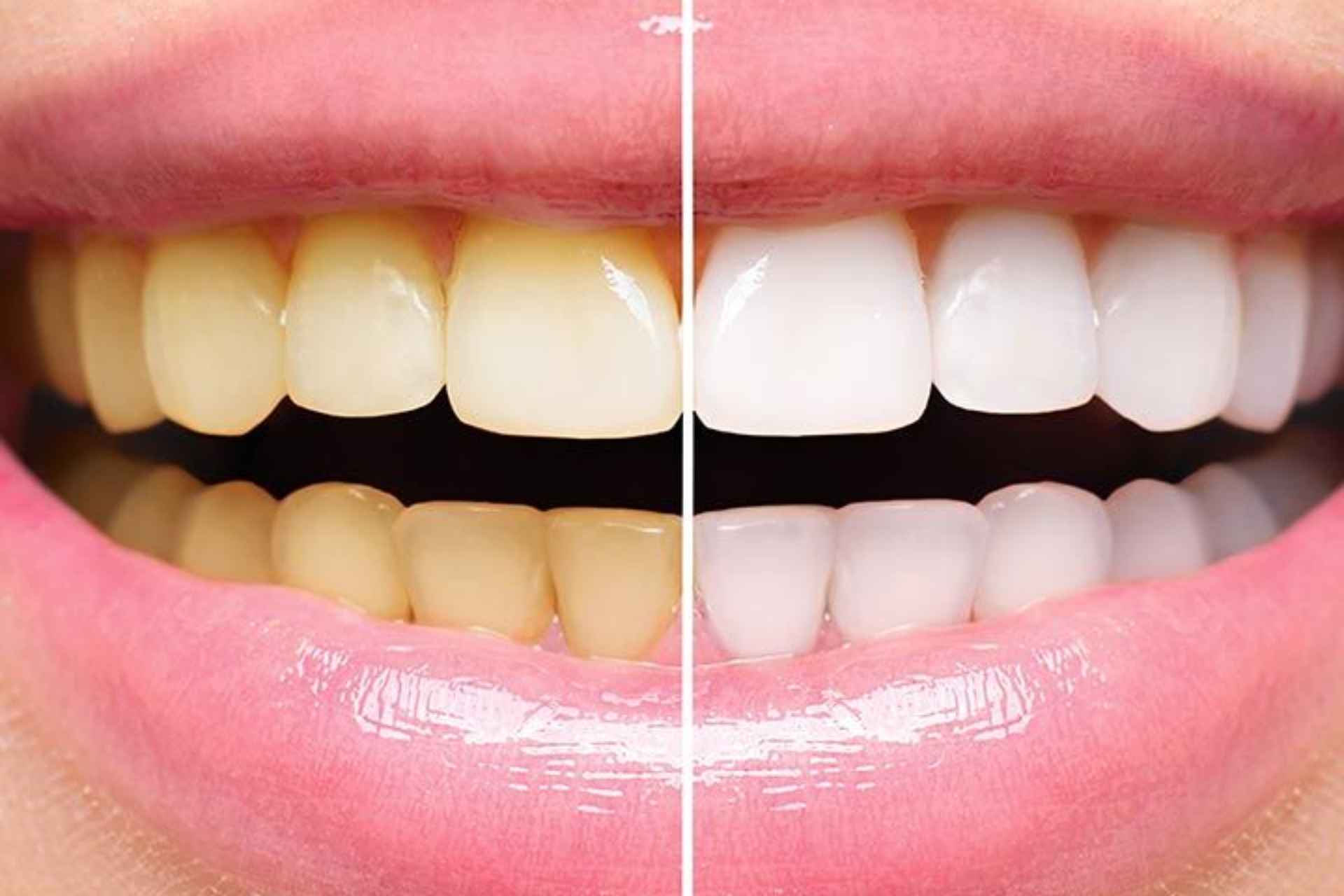
Teeth Whitening in Madurai
Teeth Whitening in Madurai for a Brighter, More Confident Smile
A brighter smile can change the way you feel about your appearance. Over time, teeth can gradually become darker or develop visible stains because of food, beverages, tobacco use, ageing and other factors.
Teeth whitening is a cosmetic dental treatment designed to lighten the colour of natural teeth and reduce certain types of dental discoloration.
If you are searching for Teeth Whitening in Madurai, it is important to understand that whitening is not simply about making teeth as white as possible. A dental professional first needs to consider the reason for the discoloration, the condition of the teeth and gums, and whether whitening is appropriate for you.
For patients considering Teeth Whitening in Anna Nagar, Madurai, a dental assessment can help identify the type of staining and establish realistic expectations before cosmetic treatment.
What Is Teeth Whitening?
Teeth whitening is a cosmetic dental procedure used to lighten the natural colour of teeth.
Professional whitening treatments generally use peroxide-based whitening agents to break down certain stains and discoloration within the tooth structure.
The degree of whitening achieved can vary from person to person.
Factors such as the original tooth shade, type of staining, enamel condition, age and lifestyle can all influence the result.
Whitening is therefore not a process that produces exactly the same shade for every patient.
Why Do Teeth Become Discoloured?
Tooth colour can change gradually for several reasons.
Some discoloration develops on the outside of the teeth, while other changes occur within the tooth structure.
Common contributing factors include:
- Coffee and tea
- Coloured foods and beverages
- Tobacco use
- Natural ageing
- Certain medications
- Dental trauma
- Changes within the tooth
- Plaque accumulation
- Poor oral hygiene
- Natural variations in tooth colour
Identifying the likely cause is useful because different types of discoloration may respond differently to whitening.
Extrinsic and Intrinsic Tooth Stains
Dental discoloration can broadly be considered as extrinsic or intrinsic.
Extrinsic Staining
Extrinsic stains occur on or near the outer surface of the tooth.
They can be associated with:
- Tea
- Coffee
- Tobacco
- Certain foods
- Coloured drinks
- Plaque and surface deposits
Professional cleaning may help remove some surface deposits and staining.
Whitening may then be considered when additional lightening of the natural tooth colour is appropriate.
Intrinsic Discoloration
Intrinsic discoloration occurs within the tooth structure.
It can be associated with:
- Age-related changes
- Certain medications
- Dental trauma
- Developmental factors
- Changes within a tooth
Some intrinsic discoloration can be more difficult to whiten than ordinary surface staining.
This is one reason why the cause of discoloration should be assessed before treatment.
Is Teeth Whitening Suitable for Everyone?
No.
Professional teeth whitening is not automatically appropriate for every person or every tooth.
Before cosmetic whitening, the dentist may need to assess:
- Tooth decay
- Gum health
- Existing restorations
- Tooth sensitivity
- Cracks or damage
- Existing dental conditions
- Type of discoloration
- Overall oral health
If an untreated dental problem is present, it may need to be addressed before whitening is considered.
Who May Consider Professional Teeth Whitening?
Professional whitening may be considered by adults who want to improve the appearance of naturally discoloured teeth and have suitable oral health.
People commonly explore whitening when they have:
- Mild to moderate tooth staining
- Age-related yellowing
- Dietary staining
- Coffee or tea discoloration
- Tobacco-related staining
- A desire for a brighter smile before an important occasion
The expected result depends on the original tooth colour and the cause of the discoloration.
Teeth Whitening for Yellow Teeth
A naturally yellowish tooth shade does not necessarily mean that the teeth are unhealthy.
As people age, the enamel can become thinner and the underlying dentine may become more visible, contributing to a yellower appearance.
Certain external stains can also make teeth appear darker.
Professional whitening may lighten suitable natural teeth, but the degree of change depends on the individual’s tooth colour and the underlying cause.
Can Teeth Whitening Remove Coffee and Tea Stains?
Coffee and tea are common sources of external tooth staining.
Because these stains can accumulate on the tooth surface, professional cleaning and whitening may be considered depending on the condition of the teeth.
The appropriate approach depends on whether the discoloration is primarily surface staining or has also affected the internal tooth colour.
Can Whitening Remove Tobacco Stains?
Tobacco can contribute to noticeable tooth discoloration.
Some tobacco-related staining is superficial, while long-term staining may be more difficult to remove completely.
Professional dental assessment can help determine the extent of staining and whether whitening is likely to provide a meaningful improvement.
Continuing tobacco use can also contribute to new staining after treatment.
Does Teeth Whitening Change the Colour of Every Tooth?
No.
Whitening products act on natural tooth structure.
They do not whiten dental restorations in the same way.
Crowns, bridges, veneers, fillings and other existing restorations may remain at their original shade while the surrounding natural teeth become lighter.
This is especially important when visible restorations are present in the smile.
A dentist can consider the existing restorations when planning cosmetic treatment.
What About Crowns, Veneers and Fillings?
If you have visible dental restorations, whitening should be planned carefully.
A restoration that already matches your current tooth shade will generally not change colour simply because the natural teeth around it are whitened.
This can potentially create a shade difference.
Patients with existing crowns, veneers or tooth-coloured fillings should therefore discuss their cosmetic goals with their dentist before whitening.
Can One Dark Tooth Be Whitened?
A single darker tooth can have a different cause from generalized tooth staining.
For example, discoloration of an individual tooth may be associated with previous trauma or changes within the tooth.
In such situations, routine whitening may not be the appropriate solution.
The affected tooth should be examined to determine why its colour differs from the surrounding teeth.
Why a Dental Examination Matters Before Whitening
Teeth whitening is a cosmetic procedure, but the condition of the mouth still matters.
A dental examination can help identify problems that may affect treatment or cause discomfort during whitening.
For example, untreated decay or exposed tooth surfaces can contribute to sensitivity.
Existing gum inflammation may also need attention.
Assessing these factors beforehand helps the dentist determine whether whitening is appropriate and what approach may be suitable.
Teeth Whitening and Tooth Sensitivity
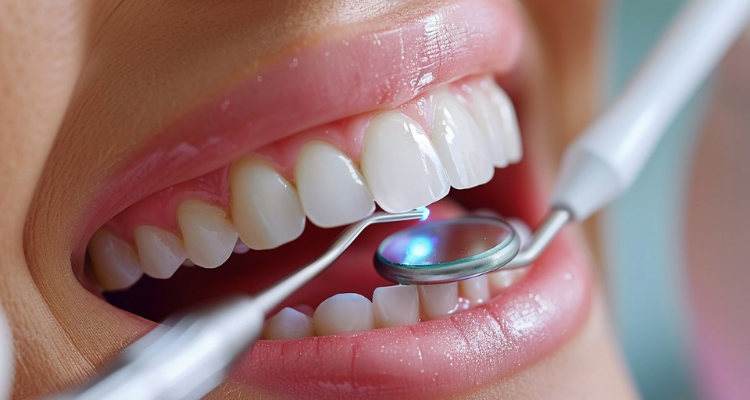
Temporary sensitivity is one of the concerns associated with whitening treatments.
Sensitivity may be more noticeable in people who already have sensitive teeth or exposed areas of tooth structure.
The likelihood and severity can vary according to:
- Whitening concentration
- Treatment duration
- Existing sensitivity
- Tooth condition
- Individual response
If you already experience sensitivity, tell your dentist before beginning a whitening treatment.
Does Teeth Whitening Damage Teeth?
When professionally assessed and appropriately performed, teeth whitening is designed to lighten natural tooth colour without removing the tooth structure for cosmetic purposes.
However, whitening is not appropriate in every situation, and excessive or inappropriate use of whitening products can cause problems such as increased sensitivity or irritation.
Professional guidance is particularly important when there are existing dental conditions.
Professional Teeth Whitening vs Home Whitening
There are many whitening products available for home use, but they are not all equivalent.
Professional dental whitening offers the advantage of assessment before treatment and guidance based on the patient’s teeth and oral health.
Home products may differ in:
- Whitening agent
- Concentration
- Application method
- Treatment duration
- Expected outcome
A dentist can help determine which approach is appropriate for the individual’s circumstances.
Is Professional Teeth Whitening Better Than Whitening Toothpaste?
Whitening toothpastes primarily help with surface stains through cleaning and polishing effects.
Professional whitening works differently by using whitening agents designed to lighten the colour of natural teeth.
Therefore, toothpaste and professional whitening should not be considered identical treatments.
The appropriate option depends on whether the goal is simply controlling surface stains or achieving a more noticeable change in tooth shade.
How White Can Teeth Become?
There is no single whitening shade that can be guaranteed for every patient.
The final appearance depends on the starting tooth colour and the type of discoloration.
Some teeth respond more noticeably than others.
A realistic treatment plan should focus on achieving an appropriate improvement rather than promising an identical result for every person.
Is a Whiter Smile the Same as a Healthier Smile?
Not necessarily.
Tooth colour is not a reliable measure of dental health.
A naturally off-white tooth can be healthy, while a very white-looking tooth can still have decay or other dental problems.
Whitening is primarily a cosmetic treatment.
Good oral hygiene, healthy gums, regular dental examinations and appropriate preventive care remain important regardless of tooth colour.
Teeth Whitening Before a Special Occasion
Some people consider whitening before:
- Weddings
- Photographs
- Celebrations
- Professional events
- Social occasions
Planning ahead can be useful because the treatment approach and expected result depend on the individual’s teeth.
It is better to have a dental assessment before an important event rather than attempting aggressive whitening immediately beforehand.
How Long Can Whitening Results Last?
Whitening results are not necessarily permanent.
Over time, teeth can gradually become stained again through exposure to coloured foods, drinks, tobacco and other factors.
The longevity of the result varies between individuals.
Maintaining good oral hygiene and limiting factors that contribute to staining can help preserve the appearance of a brighter smile.
Maintaining a Brighter Smile
After achieving a lighter tooth shade, everyday habits can influence how long the result remains noticeable.
Helpful habits include:
- Brushing regularly with appropriate fluoride toothpaste
- Cleaning between the teeth
- Maintaining routine dental visits
- Managing plaque effectively
- Limiting frequent exposure to heavily staining foods and drinks
- Avoiding tobacco products
Professional maintenance can be discussed if discoloration gradually returns.
Teeth Whitening in Anna Nagar, Madurai
For people searching for Teeth Whitening in Anna Nagar, Madurai, the first step should be understanding why the teeth appear discoloured.
A dental assessment can distinguish surface staining from other forms of discoloration and determine whether professional whitening is a suitable cosmetic option.
The treatment can then be planned around the patient’s existing tooth colour, oral health and desired cosmetic improvement.
Key Takeaway
Teeth Whitening in Madurai can help lighten suitable natural teeth and reduce certain forms of dental discoloration.
However, whitening is not a universal solution for every type of stain. Existing restorations, intrinsic discoloration, dental decay, gum problems and tooth sensitivity can all influence whether treatment is appropriate.
A professional assessment provides a safer basis for deciding whether whitening is suitable and what level of improvement may realistically be expected.
How Professional Teeth Whitening Is Planned
Professional whitening should begin with an assessment rather than immediately applying a whitening product.
For patients considering Teeth Whitening Treatment in Anna Nagar, Madurai, the dentist first needs to understand the current tooth shade, type of discoloration and condition of the teeth and gums.
This helps determine whether whitening is appropriate and what type of approach may be suitable.
The treatment process can differ between patients depending on their dental condition and cosmetic goals.
Step 1: Whitening Consultation
During the consultation, you can discuss what you would like to change about your smile.
The dentist may consider:
- Current tooth shade
- Areas of visible staining
- Previous whitening treatments
- Tooth sensitivity
- Existing crowns, veneers or fillings
- Gum condition
- Dental decay or other concerns
- Your desired cosmetic outcome
The aim is to establish whether professional whitening is suitable before treatment begins.
Step 2: Dental Assessment Before Whitening
A healthy foundation is important before cosmetic treatment.
The dentist may check for:
- Tooth decay
- Gum inflammation
- Cracks or damaged teeth
- Exposed tooth surfaces
- Existing restorations
- Significant sensitivity
- Other dental conditions
If a dental problem is identified, treating or managing it may be recommended before whitening.
This is particularly relevant for patients who experience sensitivity or discomfort already.
Step 3: Establishing the Starting Shade
The existing colour of the natural teeth can be assessed before treatment.
Recording the starting shade provides a reference for evaluating the change achieved after whitening.
The result should be judged against the patient’s original tooth colour rather than an assumed universal shade.
Natural tooth colour varies considerably between individuals.
Step 4: Planning Around Existing Dental Restorations
If crowns, veneers, bridges or tooth-coloured fillings are visible in the smile, they should be considered before whitening.
Whitening changes the colour of natural tooth structure but does not generally lighten existing restorations in the same way.
This means whitening before replacing a visible restoration may need to be planned carefully.
The dentist can discuss whether the current restoration shade is compatible with the desired cosmetic result.
Step 5: Preparing for Professional Whitening
Once whitening has been considered appropriate, the treatment area is prepared according to the selected whitening method.
The dental team takes steps to manage contact between the whitening material and areas that should be protected.
The exact preparation differs according to the professional whitening system being used.
Patients should follow the instructions provided by their dentist rather than combining professional treatment with additional whitening products without guidance.
Step 6: Application of the Whitening Agent
Professional whitening uses a dental whitening agent designed to lighten suitable natural teeth.
The product is applied according to the treatment protocol.
The concentration, application time and number of applications can vary depending on the whitening system and individual circumstances.
The dentist or dental team monitors the treatment according to the planned protocol.
Step 7: During the Whitening Appointment
Patients may notice sensations such as mild tingling or sensitivity during or shortly after whitening.
The experience varies from person to person.
If you experience significant discomfort during treatment, inform the dental team so that the situation can be assessed and managed appropriately.
Whitening should not be approached as a competition to tolerate the strongest possible treatment.
The objective is an appropriate cosmetic improvement while taking the condition and sensitivity of the teeth into account.
The amount of lightening achieved varies between individuals.
Factors that may influence the result include:
- Starting tooth shade
- Type of discoloration
- Age
- Enamel characteristics
- Previous staining
- Lifestyle habits
- Existing restorations
- Response to the whitening agent
Some patients may notice a clear improvement, while others may experience a more subtle change.
A dentist should assess the teeth and discuss realistic expectations rather than promising a fixed number of shades for everyone.
Managing Sensitivity During Whitening
Temporary tooth sensitivity can occur with whitening treatment.
People who already have sensitive teeth may be more concerned about this possibility.
Sensitivity can be influenced by:
- Whitening concentration
- Exposure time
- Frequency of treatment
- Existing tooth condition
- Individual sensitivity
If sensitivity occurs, the dental team can advise you on appropriate measures based on the treatment performed.
Do not increase the frequency or amount of whitening product in an attempt to obtain faster results.
What Happens After Professional Teeth Whitening?
Immediately after treatment, the teeth may appear noticeably lighter.
The final perceived shade can change as the teeth settle following treatment.
Some patients may also experience temporary sensitivity.
Your dentist can provide instructions based on the whitening method used and the condition of your teeth.
Eating and Drinking After Whitening
Your dentist may provide specific advice about food and drinks after whitening.
During the period immediately following treatment, limiting exposure to strongly coloured foods and beverages may be recommended depending on the whitening protocol.
Common staining sources include:
- Coffee
- Tea
- Coloured sauces
- Certain spices
- Dark-coloured beverages
- Tobacco
Follow the specific post-treatment instructions provided by your dental team.
How to Maintain Teeth Whitening Results
Whitening results can gradually fade because natural teeth continue to encounter staining factors.
To help maintain a brighter appearance:
- Brush regularly
- Clean between your teeth
- Maintain routine dental visits
- Manage plaque effectively
- Limit frequent exposure to staining foods and drinks
- Avoid tobacco
- Follow any maintenance recommendations provided by your dentist
Good daily oral care is more useful for long-term maintenance than repeatedly using whitening products without professional guidance.
Can Teeth Whitening Be Repeated?
Whitening may sometimes be repeated or maintained when appropriate.
However, repeated treatment should not be performed simply because the teeth are not as white as desired.
The dentist can assess the current tooth colour and condition before recommending further whitening.
The timing of any future treatment depends on the individual’s response, sensitivity and overall dental health.
What If Whitening Does Not Give the Expected Result?
Not every type of discoloration responds equally to conventional whitening.
If the colour change is limited, the dentist may reassess the reason for the discoloration.
Depending on the cause, other cosmetic options may sometimes be considered.
These could include treatments designed to alter the appearance of individual teeth or visible restorations.
The appropriate option depends on the patient’s teeth, restorations and cosmetic goals.
Whitening a Single Tooth
When one tooth is noticeably darker than the others, the treatment approach may be different from generalized whitening.
A single dark tooth can sometimes indicate an internal dental change rather than ordinary surface staining.
The tooth should therefore be assessed before attempting cosmetic whitening.
Treatment should address the reason for the colour difference whenever possible.
Whitening Around Existing Crowns or Veneers
Patients with crowns or veneers should discuss whitening before treatment.
The natural teeth may become lighter while existing restorations retain their original shade.
If a visible restoration needs to match newly whitened teeth, cosmetic treatment may need to be planned in a particular sequence.
This is especially relevant when the restoration is located toward the front of the smile.
Is Professional Whitening Appropriate Before Dental Bonding or Cosmetic Treatment?
Whitening can sometimes be considered before certain cosmetic dental procedures.
The reason is that the colour of the natural teeth may influence the shade selected for a new tooth-coloured restoration.
If you are considering bonding, veneers, crowns or other cosmetic work, discuss the order of treatment with your dentist.
Planning the shade before and after whitening can help avoid unnecessary shade mismatch.
Professional Whitening vs DIY Whitening
Online whitening products and home remedies can vary significantly in their ingredients, concentration and application.
Some home approaches may also be abrasive or unsuitable for dental use.
Professional treatment provides the benefit of dental assessment and treatment planning.
If you are considering home whitening alongside professional treatment, discuss it with your dentist first.
Combining multiple whitening approaches without guidance can increase the risk of sensitivity or irritation.
Why Results Differ Between Patients
Two people can receive similar whitening treatment and experience different results.
This is because tooth colour is influenced by biological and lifestyle factors.
For example, the response may differ according to:
- Initial tooth shade
- Type of stain
- Enamel and dentine characteristics
- Age
- Previous dental treatment
- Diet
- Tobacco exposure
- Oral hygiene
- Previous whitening
For this reason, professional whitening should be planned around the individual rather than based on another person’s result.
How Lifestyle Affects Whitening Results
After whitening, everyday habits can influence how long the teeth maintain their brighter appearance.
Frequent exposure to coffee, tea, tobacco and heavily coloured foods can contribute to new staining.
Maintaining good oral hygiene and reducing repeated exposure to staining substances can help preserve the cosmetic improvement.
Regular dental care can also help identify and manage surface deposits before they become more noticeable.
When Should You Consider a Dental Check Instead of Whitening?
Not every change in tooth colour is cosmetic.
You should have a dental assessment if discoloration is:
- Limited to one tooth
- Accompanied by pain
- Associated with sensitivity
- Associated with swelling
- Appearing after dental trauma
- Developing suddenly
- Associated with a visible cavity or damaged tooth
In these situations, identifying the underlying dental problem is more important than immediately attempting to whiten the tooth.
Teeth Whitening Treatment in Anna Nagar, Madurai
If you are considering Teeth Whitening Treatment in Anna Nagar, Madurai, professional assessment can help determine whether the discoloration is suitable for whitening and what type of result may realistically be expected.
The treatment can then be planned according to your tooth condition, sensitivity, existing restorations and cosmetic objectives.
This patient-specific approach helps keep cosmetic treatment focused on both appearance and oral-health considerations.
A Simple Professional Whitening Journey
The treatment pathway can generally be understood as:
Consultation
↓
Dental assessment
↓
Shade assessment
↓
Treatment planning
↓
Preparation
↓
Professional whitening
↓
Post-treatment guidence
↓
Maintanence
The exact process and number of appointments depend on the whitening method and individual dental needs.
Choosing Professional Teeth Whitening
A brighter smile can be achieved in different ways, and professional teeth whitening is only one of the available cosmetic approaches.
The right choice depends on what is causing the colour concern and what you want to improve.
For someone searching for Teeth Whitening in Madurai, a dental consultation can help determine whether whitening alone is appropriate or whether another cosmetic treatment may provide a more suitable result.
The aim should be a natural-looking improvement that works with your existing teeth and overall smile.
When Teeth Whitening May Be a Suitable Option
Professional whitening may be worth considering when the main concern is the overall colour of natural teeth.
It can be particularly relevant when you are looking to improve:
- General yellowing
- Mild to moderate staining
- Age-related darkening
- Coffee or tea-related discoloration
- Tobacco-related staining
- Overall smile brightness
The dentist can assess whether the existing tooth colour is likely to respond to whitening.
When Another Cosmetic Treatment May Be More Appropriate
Whitening is not designed to correct every cosmetic dental concern.
Another treatment may need to be considered when the primary concern involves:
- A damaged tooth
- A severely discoloured individual tooth
- Existing restorations with an unsuitable shade
- Tooth shape
- Tooth size
- Significant structural defects
- Cosmetic concerns that cannot be addressed by changing tooth colour alone
In these situations, the dentist can explain the available alternatives.
About Dr. Amritha Lenin
Dr. Amritha Lenin is an orthodontist and aesthetic dentist with a professional background spanning general dentistry and orthodontics.
She has 7 years of experience in general dentistry and more than 3 years of specialised experience in orthodontics.
Her professional training and certifications include:
- Fellowship in Advanced Aesthetic Dentistry (FAAD)
- Advanced Laser Dentistry
- Digital Smile Design & Facial Aesthetics
- Orthodontics
- Invisalign and clear-aligner treatment
- Metal and invisible braces
- Aesthetic dentistry
Her professional interests include aesthetic dentistry, smile transformations, orthodontic treatment and digital smile planning.
For cosmetic procedures such as teeth whitening, treatment suitability should be determined through an individual dental assessment.
Teeth Whitening and Smile Design
A brighter tooth shade is only one component of an attractive smile.
Smile appearance can also be influenced by:
- Tooth proportions
- Tooth alignment
- Gum appearance
- Tooth shape
- Tooth position
- Existing restorations
- Facial characteristics
For patients interested in broader smile improvement, whitening may sometimes form one part of a wider cosmetic dental plan.
It should not automatically be treated as the solution to every aesthetic concern.
Choosing the Right Whitening Approach
There is no single whitening method that is ideal for every patient.
The appropriate approach depends on factors such as:
- Current tooth colour
- Type of staining
- Sensitivity
- Existing restorations
- Oral health
- Desired degree of whitening
- Previous whitening treatment
A professional assessment allows these factors to be considered before selecting a treatment approach.
Why Professional Dental Guidance Matters
The availability of whitening products online can make cosmetic treatment appear straightforward.
However, a dentist can identify factors that may not be obvious to someone examining their teeth at home.
These can include:
- Hidden dental decay
- Gum problems
- Cracked teeth
- Exposed tooth surfaces
- Restoration-related shade differences
- Internal tooth discoloration
Professional guidance therefore helps distinguish a cosmetic colour concern from a dental condition that may require separate treatment.
Setting Realistic Whitening Expectations
A successful cosmetic treatment does not necessarily mean achieving an extremely white shade.
The most appropriate result depends on the individual’s natural tooth colour and facial appearance.
A dentist can discuss:
- The likely degree of colour improvement
- Limitations of whitening
- Existing restorations
- Possible sensitivity
- Maintenance requirements
Understanding these factors before treatment can help avoid unrealistic expectations.
Should You Whiten Your Teeth Before Other Cosmetic Dentistry?
The order of cosmetic dental treatments can matter.
If you are considering treatments such as:
- Veneers
- Crowns
- Dental bonding
- Aesthetic restorations
your dentist may recommend planning the shade of the natural teeth before the final restoration is created.
This can help reduce the possibility of a visible mismatch between newly whitened natural teeth and restorations.
The appropriate sequence depends on the planned treatment.
Teeth Whitening for a Natural-Looking Smile
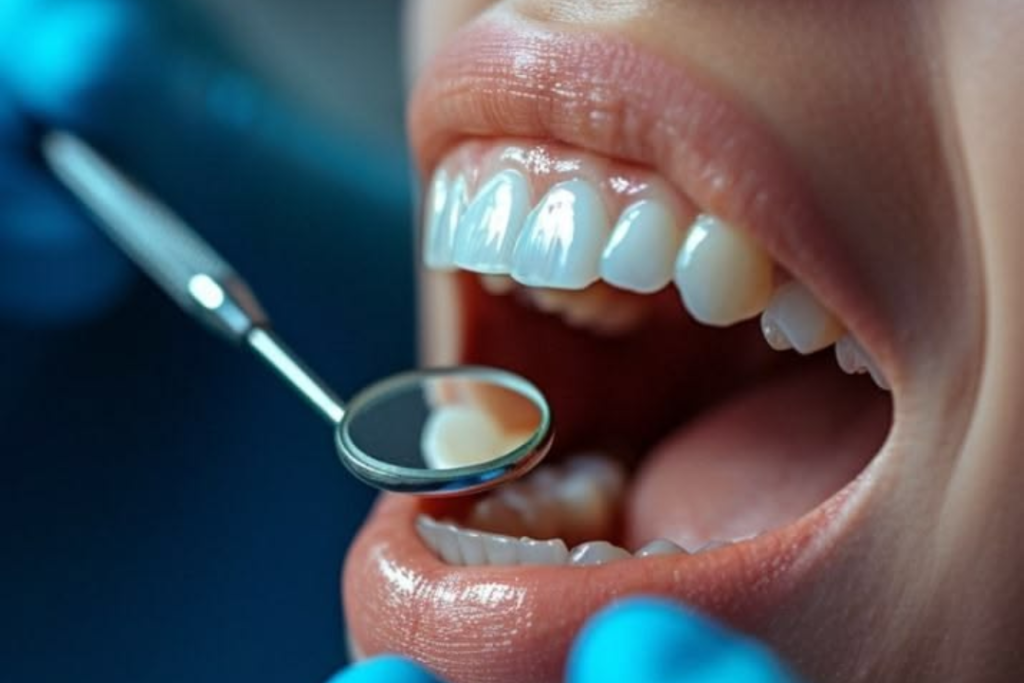
A brighter smile does not have to look artificial.
The objective of professional cosmetic dentistry is generally to create an appearance that is appropriate for the individual rather than simply pursuing the lightest possible shade.
Factors such as age, facial appearance, existing restorations and natural tooth characteristics can all be considered when discussing cosmetic goals.
Maintaining Your Oral Health After Cosmetic Treatment
Whitening should complement, rather than replace, routine dental care.
Continue to:
- Brush with fluoride toothpaste
- Clean between your teeth
- Attend recommended dental examinations
- Maintain healthy gums
- Address dental problems promptly
- Follow professional maintenance advice
Cosmetic treatment cannot compensate for untreated dental disease or poor oral hygiene.
When to Seek a Dental Examination for Tooth Discoloration
A dental examination is particularly important when a colour change is unusual or accompanied by other symptoms.
Seek professional assessment if you notice:
- Sudden discoloration
- One tooth becoming significantly darker
- Persistent tooth pain
- Unusual sensitivity
- Swelling around a tooth
- A visible crack
- A suspected cavity
- Discoloration following an injury
These signs may indicate an underlying dental issue rather than ordinary staining.
Teeth Whitening in Anna Nagar, Madurai
If you are considering Teeth Whitening in Anna Nagar, Madurai, selecting treatment based on an individual assessment is more appropriate than choosing a whitening method solely because it produced a result for someone else.
The condition of your natural teeth, type of discoloration, existing restorations and cosmetic expectations can all influence the recommended approach.
A consultation allows these factors to be discussed before deciding whether professional whitening is right for you.
Frequently Asked Questions About Teeth Whitening
When appropriately planned and performed for a suitable patient, professional teeth whitening is a commonly used cosmetic dental treatment. The dentist should first consider the condition of the teeth and gums and any existing sensitivity.
The degree of whitening varies between individuals. The starting shade, type of discoloration, tooth characteristics and lifestyle can all affect the final result.
No. Different forms of discoloration respond differently to whitening. Some deep or intrinsic discoloration may require a different cosmetic approach.
Natural teeth can respond to whitening, but existing fillings generally do not change colour in the same way. This should be considered when the fillings are visible in the smile.
Whitening is intended to change the colour of natural tooth structure. Existing crowns and veneers generally retain their original shade, so treatment should be planned carefully when visible restorations are present.
People with sensitive teeth may still be candidates, but sensitivity should be discussed with the dentist before treatment. The whitening approach may need to take the existing sensitivity into account.
A single dark tooth may have a different cause from generalized staining. The tooth should be examined before whitening so the underlying reason for the colour change can be considered.
The duration varies between patients. Diet, tobacco use, oral hygiene and ongoing exposure to staining substances can influence how long the brighter appearance remains.
Coffee can contribute to tooth staining. Your dentist may recommend limiting strongly coloured drinks for a period following treatment and reducing frequent exposure to staining substances afterward.
Smoking can contribute to tooth discoloration and may lead to new staining after treatment. Tobacco use should be discussed with the dentist before whitening.
No. Whitening toothpaste primarily helps control surface stains, whereas professional whitening uses a whitening agent intended to lighten the colour of suitable natural teeth.
The suitability of cosmetic whitening for younger patients depends on their age, dental development and individual circumstances. A dentist should assess the patient before cosmetic whitening is considered.
Whitening may sometimes be planned before new cosmetic restorations are made. The treatment sequence should be discussed with the dentist so that the shade of the restoration can be selected appropriately.
Not necessarily. Natural tooth colour differs between people, and whitening has biological and cosmetic limitations. A realistic goal is an appropriate improvement in brightness rather than a guaranteed universal shade.
If you are looking for Teeth Whitening in Madurai, particularly around Anna Nagar, you can arrange a dental consultation to assess your tooth colour, staining and oral health before deciding on professional whitening.
Professional Teeth Whitening in Anna Nagar, Madurai
Book an Teeth Whitening Consultation
If you are looking for Professional Teeth Whitening in Anna Nagar, Madurai, a consultation can help you understand whether whitening is suitable for your teeth and what type of cosmetic improvement may realistically be expected.
Dr. Amritha’s Dentistry is located at:
Vaigai Colony, Anna Nagar, Madurai, Tamil Nadu – 625020
Phone: 090032 21393
Discuss your smile goals and explore suitable cosmetic dental options with the dental team.
Dr. Amritha’s Dentistry
Dr. Amritha’s Dentistry,
Vaigai Colony, Anna Nagar, Madurai, Tamil Nadu – 625020
Phone: 090032 21393
Contact the clinic to schedule a consultation for Teeth Whitening in Madurai.