
Preventive Dentistry
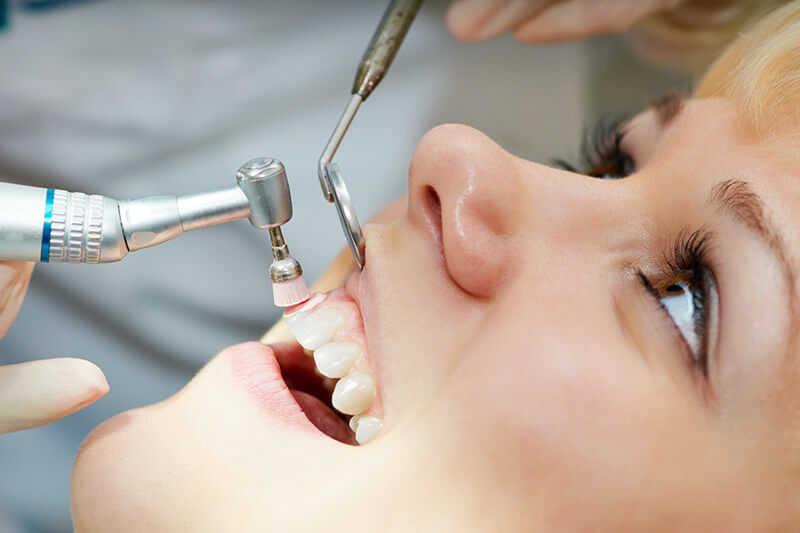
Preventive Dentistry in Anna Nagar, Madurai
Protect Your Teeth Before Problems Become Bigger
A dental problem does not always begin with pain. Tooth decay, plaque buildup, gum inflammation and other oral health concerns can develop gradually, sometimes without obvious symptoms.
Preventive Dentistry in Anna Nagar, Madurai focuses on maintaining healthy teeth and gums, identifying early changes and reducing the risk of dental problems becoming more complex.
Preventive care is not about treating every patient in the same way. Your dental history, oral hygiene, existing restorations, cavity risk and gum health can all influence the type of preventive care you need.
What Is Preventive Dentistry?
Preventive dentistry is the part of dental care that focuses on protecting oral health, detecting problems early and reducing avoidable dental damage.
It may include:
- Routine dental examinations
- Professional dental cleaning when required
- Plaque and tartar control
- Oral hygiene guidance
- Early detection of cavities
- Gum health assessment
- Fluoride-based preventive measures when appropriate
- Advice about diet and dental habits
The aim is to maintain your natural teeth and address developing problems before they require more extensive treatment.
Why Is Preventive Dental Care Important?
Many dental conditions become more difficult to manage when they are allowed to progress.
For example, early tooth decay may initially require a relatively simple restoration. If decay continues deeper into the tooth, treatment may eventually involve root canal treatment, a crown or, in severely compromised cases, extraction.
Similarly, untreated gum inflammation can progress to more serious periodontal disease.
Preventive care helps create opportunities for:
Early detection → Appropriate intervention → Ongoing monitoring → Better long-term oral health
It cannot eliminate every dental problem, but it can help reduce preventable risks and identify changes earlier.
What Problems Can Preventive Care Help Avoid?
Preventive dentistry can help reduce the risk of several common oral health problems.
These include:
- Tooth decay
- Plaque buildup
- Tartar accumulation
- Gingivitis
- Progression of gum disease
- Some forms of tooth wear
- Problems caused by poor oral hygiene
Preventive care also helps identify existing problems that may not yet be causing noticeable symptoms.
How Often Should You Have a Dental Check-Up?
There is no universal appointment schedule that suits everyone.
The appropriate frequency can depend on:
- Previous cavities
- Gum health
- Oral hygiene
- Existing restorations
- Age
- Cavity risk
- Periodontal history
- Other individual risk factors
Someone with recurring cavities or a history of gum disease may require closer monitoring than someone with consistently healthy teeth and gums.
Your dentist can recommend an examination interval based on your individual oral health.
What Happens During a Preventive Dental Visit?
A preventive visit generally begins with an examination of your teeth and gums.
The dentist may look for:
- Early signs of tooth decay
- Plaque and tartar
- Gum inflammation
- Changes around existing restorations
- Tooth wear
- Areas that are difficult to clean
- Other visible changes in the mouth
Professional cleaning may be performed when indicated.
If additional investigation is needed, dental imaging or other diagnostic procedures may be recommended.
Why Are Regular Dental Examinations Important?
A dental examination is different from visiting a dentist only after pain begins.
Some dental problems can develop without causing significant symptoms.
A routine examination may identify:
- Early cavities
- Gum inflammation
- Tartar buildup
- Worn or damaged restorations
- Areas of enamel damage
- Changes that require monitoring
Regular examinations therefore provide an opportunity to monitor oral health over time rather than responding only when a problem becomes uncomfortable.
How Can Early Dental Problems Be Detected?
Early detection involves examining the mouth for changes that may not be visible or noticeable to you.
Depending on your dental condition, the dentist may use:
- Visual examination
- Dental instruments
- Gum assessment
- Examination of existing restorations
- Dental X-rays when clinically indicated
X-rays are not automatically required at every visit. Their use depends on your symptoms, dental history, examination findings and individual diagnostic needs.
How Can You Prevent Tooth Decay?
Preventing cavities involves reducing plaque, supporting enamel health and limiting factors that encourage decay.
Helpful habits include:
Brush With Fluoride Toothpaste
Regular brushing helps remove plaque while fluoride supports the strength of tooth enamel.
Clean Between Your Teeth
Plaque can remain between teeth even when the visible surfaces look clean.
Limit Frequent Sugar Exposure
Repeated exposure to sugary foods and drinks can increase the risk of tooth decay.
Drink Water Regularly
Water can help maintain a healthy oral environment, particularly between meals.
Attend Dental Check-Ups
Professional examinations can identify early changes and help determine whether additional preventive measures are appropriate.
How Can You Protect Your Gums?
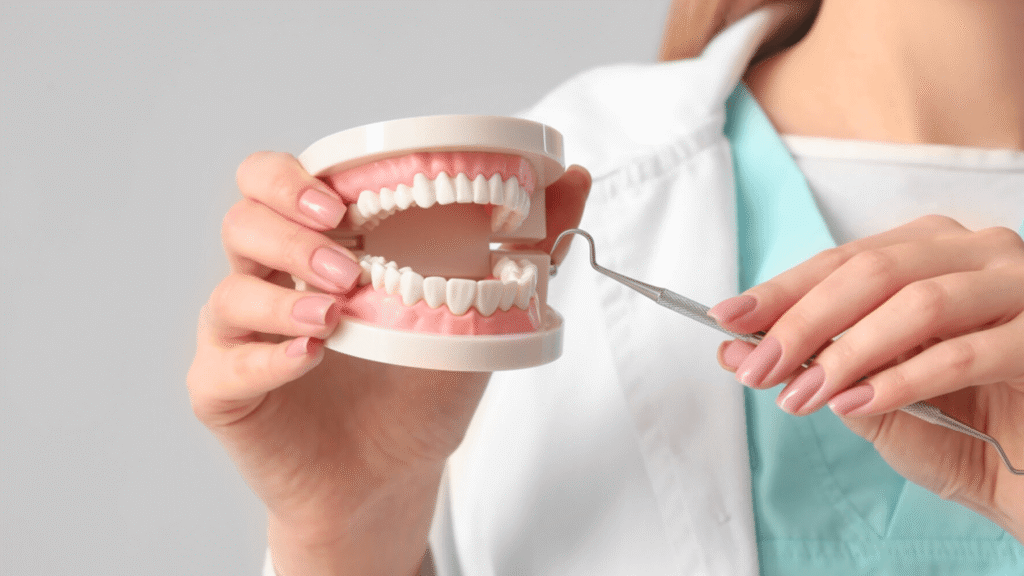
Gum care begins with effective plaque control.
To support healthy gums:
- Brush carefully along the gumline
- Clean between your teeth
- Manage plaque regularly
- Have professional cleaning when recommended
- Avoid tobacco
- Do not ignore repeated gum bleeding
Redness, swelling or bleeding may indicate gum inflammation and should be assessed if it persists.
Why Is Plaque Control Important?
Plaque is a bacterial film that develops continuously on tooth surfaces.
When plaque remains undisturbed, it can contribute to both tooth decay and gum inflammation.
If plaque hardens, it becomes tartar or calculus.
Tartar cannot be effectively removed through ordinary brushing alone and may require professional cleaning.
This is why preventive dental care involves both daily plaque control at home and professional assessment when necessary.
How Does Fluoride Help Protect Teeth?
Fluoride supports the mineral structure of tooth enamel and helps teeth resist the effects of acids involved in tooth decay.
Fluoride may be provided through:
- Fluoride toothpaste
- Fluoridated dental products
- Professional fluoride applications in selected cases
The need for additional fluoride depends on factors such as age and individual cavity risk.
Your dentist can advise whether additional fluoride protection is appropriate.
Why Is Cleaning Between Teeth Important?
Brushing does not effectively reach every surface between the teeth.
Plaque left in these areas can contribute to:
- Interdental cavities
- Gum inflammation
- Bad breath
Depending on the size of the spaces and your oral condition, cleaning between teeth may involve:
- Dental floss
- Interdental brushes
- Other appropriate interdental cleaning aids
The best method can differ between patients.
Can Preventive Care Help Avoid Tooth Loss?
Preventive dentistry can help reduce the risk of tooth loss caused by common dental diseases.
Untreated decay can progressively weaken a tooth, while uncontrolled periodontal disease can damage the tissues and bone supporting the teeth.
Regular preventive care can help identify these problems earlier.
However, preventive dentistry cannot prevent every cause of tooth loss. Trauma, severe structural damage and other conditions may still affect individual teeth.
Who Can Benefit From Preventive Dentistry?
Preventive dental care is relevant to almost everyone, including people who currently have no dental symptoms.
It can be particularly useful for:
- Children developing permanent teeth
- Teenagers
- Adults
- Older adults
- People with previous cavities
- Patients with a history of gum disease
- People with multiple fillings or crowns
- Individuals at higher risk of tooth decay
- Anyone wanting to maintain their natural teeth
The type of care should be adapted to the individual’s dental needs.
Can Preventive Dentistry Reduce the Need for Major Dental Treatment?
It can help reduce the chance of some dental problems progressing to a stage where more extensive treatment is required.
For example:
Early decay → Timely assessment and appropriate treatment
Plaque-related gum inflammation → Improved plaque control and professional care
Tartar buildup → Professional removal
Damaged restoration → Early evaluation before further deterioration
Preventive dentistry does not guarantee that fillings, root canal treatment, crowns or extractions will never be necessary.
Its purpose is to reduce avoidable progression and address problems as early as reasonably possible.
Why Is It Better to Check Your Teeth Before They Hurt?
Pain is not always the first sign of a dental problem.
A cavity may develop without obvious discomfort, and gum disease can progress without significant pain.
Waiting for symptoms can therefore delay diagnosis.
Regular dental examinations allow your dentist to identify changes while they may still be manageable with a simpler approach.
A healthy-feeling mouth still benefits from regular preventive monitoring.
What Should You Do If Your Teeth Feel Completely Healthy?
Continue taking care of them.
Feeling no pain does not necessarily mean that there is no plaque buildup, early decay, tartar or gum inflammation.
Maintain:
- Regular brushing
- Interdental cleaning
- A tooth-friendly diet
- Appropriate fluoride use
- Professional dental examinations
Preventive dentistry is most effective when it becomes part of your ongoing oral health routine rather than something you begin only after a dental problem appears.
What Should Your Daily Dental Routine Include?
Preventive dental care starts at home.
A practical daily routine should include:
- Brushing twice a day with fluoride toothpaste
- Cleaning between the teeth
- Cleaning the gumline carefully
- Limiting frequent sugary foods and drinks
- Drinking water regularly
- Avoiding tobacco
- Paying attention to changes in your teeth and gums
Professional dental care supports these habits but does not replace them.
How Should You Brush Your Teeth?
Effective brushing is about cleaning all accessible tooth surfaces without damaging the gums.
Pay attention to:
- Outer surfaces
- Inner surfaces
- Chewing surfaces
- Gumline
- Hard-to-reach back teeth
Use a soft-bristled toothbrush and fluoride toothpaste unless your dentist has recommended something different.
Brushing too aggressively does not make teeth cleaner. Excessive pressure can contribute to gum irritation and tooth-surface wear.
How Often Should You Replace Your Toothbrush?
A toothbrush gradually becomes less effective as its bristles wear and spread.
Replace it when:
- Bristles become frayed
- The brush loses its original shape
- Cleaning becomes less effective
- The toothbrush has been used for an extended period
If you use an electric toothbrush, replace the brush head according to the manufacturer’s recommendations or your dentist’s advice.
How Should You Clean Between Your Teeth?
Interdental cleaning reaches areas that a toothbrush cannot clean effectively.
Depending on your tooth spacing, suitable options may include:
- Dental floss
- Interdental brushes
- Other interdental cleaning aids
The correct method depends on the size of the spaces and your individual dental condition.
If you have bridges, braces, implants or periodontal problems, you may need a specific cleaning technique.
How Does Your Diet Affect Your Teeth?
What you eat and, importantly, how frequently your teeth are exposed to certain foods and drinks can influence your risk of tooth decay.
Frequent consumption of sugary or acidic foods and beverages can contribute to dental problems.
A tooth-friendly approach includes:
- Limiting frequent sugary snacks
- Reducing repeated sugary drinks throughout the day
- Choosing balanced meals
- Drinking water between meals
- Avoiding constantly grazing on sweet foods
Diet is one part of preventive care and should work alongside effective oral hygiene.
How Does Frequent Sugar Intake Affect Dental Health?
Sugar provides bacteria in dental plaque with a substrate that can contribute to acid production.
Repeated acid exposure can weaken enamel and increase the risk of tooth decay.
The concern is not only how much sugar you consume but also how frequently your teeth are exposed to it.
Reducing repeated sugar exposure between meals can therefore support cavity prevention.
Can Preventive Care Detect Cavities Early?
Yes. Regular dental examinations can help identify early signs of tooth decay before a cavity becomes large or painful.
Depending on the location and extent of suspected decay, the dentist may use:
- Visual examination
- Dental instruments
- Dental X-rays when indicated
Early detection gives the dentist an opportunity to determine whether preventive management, monitoring or restorative treatment is appropriate.
Can Regular Check-Ups Detect Gum Problems?
Yes.
A dental examination can identify signs such as:
- Gum inflammation
- Bleeding
- Plaque and tartar accumulation
- Gum recession
- Periodontal pocketing
- Tooth mobility
Some periodontal problems can develop without significant pain.
Regular assessment therefore helps identify changes that may otherwise go unnoticed.
When Is Professional Dental Cleaning Needed?
Professional cleaning may be recommended when plaque and tartar have accumulated beyond what can be effectively managed through daily brushing and interdental cleaning.
It can help remove:
- Hardened tartar
- Plaque deposits
- Deposits around the gumline
- Buildup in difficult-to-clean areas
Professional cleaning is not a replacement for daily brushing.
Its role is to manage deposits that cannot be adequately removed through normal home care.
Can Preventive Care Help With Bad Breath?
Yes, particularly when plaque, tartar or poor oral hygiene contributes to the problem.
Daily cleaning of the teeth, gums and tongue can help reduce odour-causing bacteria.
Persistent bad breath may also have other causes, including:
- Dry mouth
- Gum disease
- Certain foods
- Oral infections
- Other health conditions
If bad breath continues despite good oral hygiene, a dental examination can help identify a possible oral cause.
How Can You Protect Your Teeth From Wear and Damage?
Not all tooth damage is caused by cavities.
Teeth can also be affected by:
- Grinding or clenching
- Biting hard objects
- Acid exposure
- Aggressive brushing
- Poorly managed dental habits
Preventive care may include identifying these risks and modifying habits that contribute to unnecessary tooth wear or damage.
If you notice flattened teeth, cracks, sensitivity or unexplained wear, discuss the changes with your dentist.

What Dental Habits Should You Avoid?
Some everyday habits can increase the risk of tooth damage.
Avoid using your teeth to:
- Open packages
- Cut materials
- Bite pens or other hard objects
- Crack hard substances
Also avoid brushing with excessive force.
If you regularly clench or grind your teeth, mention it during a dental examination so the dentist can assess whether your teeth are showing signs of excessive wear.
What Should Children Know About Preventive Dental Care?
Children benefit from preventive dental care because their teeth and oral habits are still developing.
Important habits include:
- Brushing with appropriate fluoride toothpaste
- Learning effective brushing technique
- Cleaning between teeth when appropriate
- Limiting frequent sugary foods and drinks
- Attending dental examinations
- Developing positive dental habits early
Preventive visits can also help parents identify areas where a child may need additional guidance.
The goal is to make oral care a normal part of childhood rather than something associated only with pain or dental treatment.
Do Adults Need Regular Preventive Dental Visits?
Yes.
Adults can develop cavities, gum disease, tooth wear and problems around existing restorations even when their teeth feel normal.
Preventive visits are particularly useful if you have:
- Previous cavities
- Multiple fillings
- Crowns or bridges
- A history of gum disease
- Frequent dental sensitivity
- High cavity risk
- Difficulty maintaining oral hygiene
The appropriate frequency should be based on your individual risk rather than a fixed schedule applied to everyone.
Can Preventive Care Protect Existing Dental Work?
Yes, but restorations still require maintenance.
Fillings, crowns, bridges, inlays and onlays do not make the surrounding natural tooth immune to decay or other dental problems.
Preventive care can help monitor:
- Restoration margins
- Plaque accumulation
- Gum health
- Wear
- Possible damage
- New decay around existing dental work
Maintaining the natural tooth around a restoration is an important part of protecting the restoration itself.
Can Preventive Dentistry Help Prevent Root Canal Treatment?
It may reduce the likelihood of some problems progressing to the point where root canal treatment becomes necessary.
For example, early detection and treatment of tooth decay can prevent the decay from progressing deeper into the tooth.
However, preventive care cannot prevent every situation that may affect the dental pulp.
Trauma, cracks and other conditions can also lead to pulp problems.
The realistic goal is risk reduction and early intervention, not a guarantee that root canal treatment will never be required.
Can Preventive Care Help Prevent Tooth Extraction?
Preventive dentistry can help reduce the risk of losing teeth because of untreated decay or periodontal disease.
Regular examinations may identify problems while the tooth still has treatment options available.
Depending on the diagnosis, early intervention may involve:
- Preventive care
- Filling
- Gum treatment
- Root canal treatment
- Inlay or onlay
- Crown restoration
Extraction may still be necessary when a tooth is severely damaged or cannot be predictably restored.
How Much Does Preventive Dentistry Cost in Anna Nagar, Madurai?
Preventive dental care does not have one fixed cost because the treatment required differs between patients.
The overall cost may depend on:
- Type of examination
- Whether professional cleaning is required
- Amount of plaque or tartar
- Need for dental imaging
- Fluoride treatment when appropriate
- Existing oral health problems
- Additional preventive or restorative care
A routine preventive visit and a more comprehensive appointment involving additional procedures will not necessarily have the same cost.
What Affects the Cost of Preventive Dental Care?
The main factor is the level of care your oral health requires.
For example, costs may differ depending on whether you need:
Routine examination → Assessment and preventive advice
Examination + cleaning → Assessment combined with professional plaque and tartar removal
Additional preventive care → Measures based on individual cavity or oral health risk
Further treatment → Treatment of a problem discovered during the examination
Preventive dentistry is therefore best planned according to actual dental risk rather than choosing services solely by price.
Meet Dr. Amritha Lenin
Dr. Amritha Lenin is an Orthodontist and Aesthetic Dentist associated with Dr. Amritha’s Dentistry.
Her professional profile describes experience in general dentistry and orthodontic practice, along with training in aesthetic dentistry, laser dentistry and digital smile design.
Preventive dental care requires more than a routine cleaning. The condition of the teeth, gums, existing restorations and individual risk factors can influence what type of monitoring and preventive care is appropriate.
Why Choose Dr. Amritha’s Dentistry for Preventive Care?
Prevention Is Based on Your Dental Condition
Preventive care should not be identical for every patient.
Your dental history may indicate a greater need to monitor:
- Tooth decay
- Gum inflammation
- Plaque and tartar
- Existing restorations
- Tooth wear
- Areas that are difficult to clean
The focus is on identifying your individual risk areas and maintaining them over time.
Problems Are Looked for Before They Become Obvious
A dental examination can identify changes that may not yet cause pain or noticeable symptoms.
This can include early decay, gum changes, tartar accumulation or problems developing around existing dental work.
Prevention Connects Home Care With Professional Care
Good oral health depends on what happens between appointments as much as what happens during them.
Professional assessment can help identify where your daily routine may need improvement and provide guidance suited to your teeth and gums.
How Is Preventive Care Planned for Each Patient?
A preventive plan can be influenced by your:
- Cavity history
- Gum health
- Oral hygiene
- Age
- Existing fillings, crowns or bridges
- Diet
- Dental habits
- Previous dental treatment
Someone who frequently develops cavities may need a different preventive approach from someone whose main concern is periodontal health.
The objective is to identify the areas of greatest risk and monitor them appropriately.
Why Is Early Detection Better Than Waiting for Pain?
Pain often appears after a dental problem has progressed, but not every dental condition causes pain in its early stages.
For example, tooth decay can develop before noticeable discomfort occurs, while gum disease can progress with little or no pain.
Early detection gives the dentist an opportunity to determine whether the problem can be:
- Monitored
- Managed with preventive measures
- Treated at an early stage
- Referred for more extensive treatment when necessary
This can help avoid allowing a manageable problem to become unnecessarily complicated.
Can Preventive Dentistry Reduce the Need for Major Treatment?
It can help reduce the risk of some dental problems progressing to a more advanced stage.
Consider the difference between identifying:
Early tooth decay → Appropriate early management
and:
Advanced decay → Possible filling, root canal treatment, crown or extraction depending on the damage
Similarly:
Early gum inflammation → Plaque control and appropriate gum care
versus:
Advanced periodontal disease → More comprehensive periodontal treatment and long-term maintenance
Preventive dentistry cannot guarantee that major treatment will never be needed, but it can help reduce avoidable progression.
How Can You Maintain Your Teeth Between Dental Visits?
Your daily routine is the foundation of preventive dental care.
Focus on:
- Brushing regularly with fluoride toothpaste
- Cleaning between teeth
- Cleaning around the gumline
- Limiting frequent sugary snacks and drinks
- Avoiding tobacco
- Drinking water regularly
- Not using teeth as tools
- Paying attention to changes in your mouth
Professional dental visits work best when they are combined with consistent home care.
How Does Preventive Care Support Long-Term Oral Health?
Long-term oral health is not achieved through a single appointment.
It involves a cycle of:
Daily care → Professional examination → Early detection → Appropriate treatment or prevention → Continued maintenance
This approach can help you understand your changing dental needs over time.
It is particularly valuable when you have existing restorations, previous cavities, gum disease or other factors that increase your risk of future dental problems.
Can Preventive Care Help Maintain Natural Teeth?
Yes, maintaining natural teeth is an important objective of preventive dentistry.
Preventive care can help identify problems that may eventually compromise a tooth, including:
- Tooth decay
- Gum disease
- Structural damage
- Problems around restorations
- Excessive tooth wear
When problems are identified early, appropriate treatment can be considered before the condition progresses further.
However, preventive care cannot guarantee that every natural tooth will remain healthy indefinitely.
What Should You Do About Existing Fillings and Crowns?
Existing dental work should still be monitored.
A filling, crown, bridge, inlay or onlay can restore a damaged tooth, but the surrounding natural tooth and gums remain susceptible to future problems.
Preventive examinations can check for:
- New decay
- Changes around restoration margins
- Wear
- Chipping
- Gum inflammation
- Plaque accumulation
Maintaining the supporting natural tooth is an important part of maintaining the restoration.
When Should You Book a Dental Check-Up?
Do not wait for severe pain before considering an examination.
A check-up may be appropriate if:
- It has been a long time since your last dental visit
- You have a history of cavities
- Your gums bleed regularly
- You notice tartar buildup
- You have persistent bad breath
- An existing restoration feels different
- You notice tooth sensitivity
- You have changes in your teeth or gums
The recommended frequency of visits depends on your individual risk and oral health.
What Should You Do If You Notice a Change in Your Teeth?
Changes should be assessed when they persist or become noticeable.
These may include:
- New sensitivity
- Tooth discoloration
- A rough or sharp area
- Gum bleeding
- Gum swelling
- Bad breath
- Food repeatedly getting trapped
- A change in your bite
- Pain when chewing
A small change does not necessarily mean that you need extensive treatment.
An examination helps determine what the change means and whether any action is required.
Frequently Asked Questions About Preventive Dentistry
Preventive dentistry focuses on maintaining oral health, reducing avoidable dental risks and detecting problems before they become more advanced.
They allow the dentist to monitor your teeth and gums and identify problems that may not yet cause noticeable symptoms.
The appropriate interval depends on your oral health, dental history and individual risk factors. Your dentist can recommend a suitable schedule.
It can reduce the risk of cavities through plaque control, fluoride use, dietary guidance and early detection, but it cannot guarantee that cavities will never develop.
Professional cleaning helps remove plaque and tartar that cannot be adequately removed at home. It is one part of maintaining healthy gums.
Bleeding can indicate gum inflammation, although other causes are possible. Persistent bleeding should be assessed by a dentist.
Yes. Tooth decay can develop without noticeable pain, particularly during its earlier stages.
Yes. Fluoride helps strengthen enamel and supports resistance to the processes that cause tooth decay.
Brushing does not effectively clean every surface between teeth. Interdental cleaning can help remove plaque from these areas.
Preventive examinations can help monitor fillings, crowns, bridges and other restorations and identify problems affecting the restoration or surrounding tooth.
It can help reduce the risk of tooth loss caused by problems such as untreated decay and periodontal disease, but it cannot prevent every cause of tooth loss.
Yes. Preventive care can help children develop effective oral hygiene habits and identify dental problems while their teeth and jaws are developing.
Yes. Some cavities and gum problems can develop without significant symptoms, making routine monitoring useful.
The cost depends on the type of examination, whether professional cleaning is required, diagnostic needs and any additional preventive treatment recommended.
You should consider a dental check-up if it has been a long time since your last visit or if you notice bleeding gums, sensitivity, tartar, bad breath, tooth changes or other oral health concerns.
Maintain Your Oral Health With Preventive Dentistry in Anna Nagar, Madurai
Preventive dental care is most effective when it becomes part of your regular oral health routine rather than something you seek only when a tooth starts hurting.
At Dr. Amritha’s Dentistry, your teeth and gums can be assessed to identify current concerns, understand potential risks and determine what preventive care may be appropriate for you.
Dr. Amritha’s Dentistry
Book a preventive dental consultation to keep your teeth and gums healthy for the long term.