
Dental Extractions
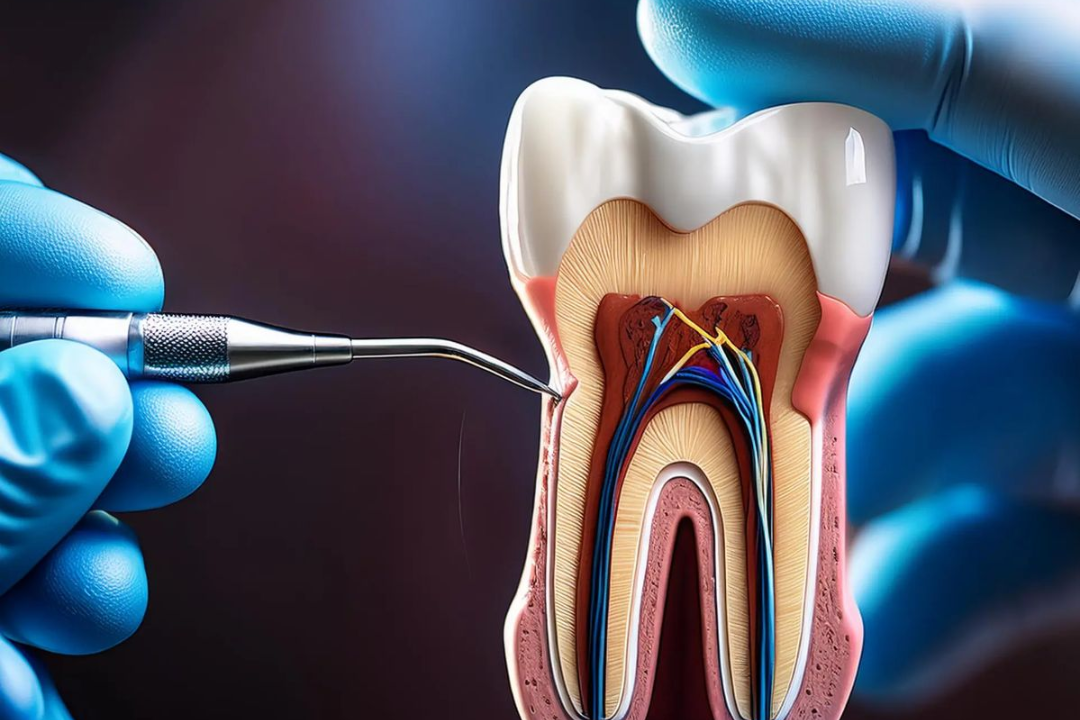
Dental Extractions in Anna Nagar, Madurai
When Removing a Tooth May Be the Right Choice
Keeping a natural tooth is generally preferred whenever it can be restored and maintained predictably. However, some teeth become too damaged, infected, fractured or otherwise unsuitable for successful treatment.
Dental extraction is the removal of a tooth when keeping it is no longer appropriate or when removal is necessary as part of a planned dental treatment.
An extraction should not be viewed simply as removing a painful tooth. The dentist first needs to understand why the tooth is causing a problem, whether it can be saved, and what should happen after removal.
For patients looking for Dental Extractions in Anna Nagar, Madurai, the treatment decision should therefore be based on the condition of the tooth and the surrounding oral tissues rather than pain alone.
What Is a Tooth Extraction?
A tooth extraction is a dental procedure in which a tooth is removed from its position in the jaw.
It may be recommended when a tooth:
- Cannot be restored predictably
- Has extensive decay
- Is severely fractured
- Has certain types of infection
- Is causing a significant dental problem
- Needs to be removed for a planned orthodontic or restorative reason
The approach depends on the tooth’s position, condition and root structure.
Some teeth can be removed through a straightforward extraction, while others may require a surgical approach.
When Do You Need a Tooth Removed?
A tooth may need extraction when keeping it would not provide a predictable long-term outcome.
Common situations include:
Extensive Tooth Decay
If decay has destroyed too much of the tooth structure to support an appropriate restoration, extraction may need to be considered.
Severe Tooth Fracture
A tooth with a fracture that extends into an area where it cannot be predictably restored may not be suitable for preservation.
Advanced Dental Infection
In some situations, an infected tooth may require extraction when it cannot be predictably treated or restored.
Significant Gum and Bone Support Problems
Severe periodontal damage can cause a tooth to become excessively mobile or have poor long-term support.
Dental Treatment Planning
Certain teeth may need to be removed as part of a broader orthodontic or restorative treatment plan.
The reason for extraction should be established through a proper dental assessment.
Can a Severely Damaged Tooth Still Be Saved?
Sometimes, yes.
A tooth that appears badly damaged may still be restorable depending on:
- Remaining healthy tooth structure
- Depth and location of the damage
- Pulp condition
- Root condition
- Supporting bone
- Gum health
- Ability to restore the tooth predictably
Possible treatments may include:
- Dental filling
- Inlay or onlay
- Root canal treatment
- Crown restoration
If the tooth cannot be restored predictably despite appropriate treatment options, extraction may become the more suitable choice.
This is why a damaged tooth should be assessed before assuming that removal is necessary.
When Is Extraction Better Than Trying to Restore the Tooth?
Extraction may be considered when the tooth has reached a point where restorative treatment is unlikely to provide a reliable outcome.
This can happen when:
- Very little healthy tooth structure remains
- The tooth has an extensive non-restorable fracture
- Severe decay has compromised the tooth extensively
- The supporting structures are severely compromised
- Repeated treatment has failed
- The tooth has a poor long-term prognosis
The goal is not to remove a tooth unnecessarily.
The goal is to determine whether saving the tooth or removing it provides the more predictable treatment outcome.
Do All Tooth Extractions Require Surgery?
No.
The type of extraction depends on how accessible the tooth is and how easily it can be removed.
A simple extraction may be possible when the tooth is visible and can be accessed normally.
A surgical extraction may be necessary when the tooth is difficult to access, fractured below the gum line, impacted or otherwise cannot be removed through a straightforward approach.
The dentist determines the extraction method after examining the tooth.
What Is the Difference Between a Simple and Surgical Extraction?
The main difference is the level of access required to remove the tooth.
Simple Extraction
A simple extraction is generally performed when the tooth is visible and accessible.
The dentist uses appropriate instruments to loosen and remove the tooth.
Surgical Extraction
A surgical extraction involves additional access when the tooth cannot be removed easily through a conventional approach.
This may be required for:
- Impacted teeth
- Teeth broken near or below the gum line
- Certain difficult root shapes
- Teeth with limited access
The treatment approach is selected according to the anatomy and condition of the individual tooth.
When Is a Wisdom Tooth Extraction Needed?
Wisdom teeth do not automatically need to be removed.
Extraction may be considered when a wisdom tooth causes or is likely to cause a significant problem, such as:
- Repeated pain
- Infection around the tooth
- Extensive decay
- Damage to an adjacent tooth
- Difficult-to-manage gum problems
- Certain cystic or other pathological conditions
- An impacted tooth causing problems
A wisdom tooth that is healthy, functional and not causing disease does not necessarily require removal simply because it is a wisdom tooth.
An examination and appropriate imaging may be needed to assess its position and condition.
Can an Infected Tooth Be Removed?
Yes, an infected tooth can sometimes be removed when extraction is clinically appropriate.
However, infection does not automatically mean that extraction is the only option.
Depending on the condition of the tooth, root canal treatment may be considered when the tooth is restorable and preserving it is appropriate.
If the tooth cannot be predictably saved, removal may be necessary.
The treatment decision depends on:
- Source of infection
- Condition of the tooth
- Pulp involvement
- Root condition
- Supporting tissues
- Restorability of the tooth
Can a Broken Tooth Be Extracted?
Yes, a severely broken tooth may require extraction if it cannot be predictably restored.
However, not every broken tooth needs to be removed.
A fractured tooth may sometimes be managed through restorative treatment depending on:
- Location of the fracture
- Depth of the fracture
- Remaining tooth structure
- Pulp involvement
- Root condition
- Gum and bone support
An examination is necessary to determine whether the tooth can be saved.
What Happens If a Tooth Is Left Untreated?
The consequences depend on the underlying problem.
An untreated severely decayed, infected or structurally compromised tooth can potentially lead to:
- Increasing pain
- Further tooth destruction
- Pulp involvement
- Dental infection
- Swelling
- Difficulty chewing
- Damage to surrounding structures
However, not every dental problem requires extraction.
Early assessment may reveal an opportunity to treat the tooth before removal becomes necessary.
What Should Be Checked Before an Extraction?
Before removing a tooth, the dentist needs to understand the condition of the tooth and surrounding tissues.
The assessment may include:
- Tooth condition
- Root shape and position
- Extent of decay or damage
- Gum health
- Supporting bone
- Signs of infection
- Relationship with nearby teeth
- Medical and dental history where relevant
Dental X-rays may be recommended when they are needed to understand the tooth and its roots more clearly.
This information helps the dentist plan the safest and most appropriate extraction approach.
What Are the Alternatives to Extraction?
Extraction is not always the first treatment considered for a damaged tooth.
Depending on the diagnosis, alternatives may include:
Filling
For suitable cavities with sufficient healthy tooth structure.
Inlay or Onlay
For selected teeth with greater structural damage that can still be restored without full coverage.
Root Canal Treatment
For a restorable tooth where the dental pulp is affected.
Crown
For certain significantly weakened teeth that require greater coverage and protection.
If none of these options can provide a predictable outcome, extraction may be recommended.
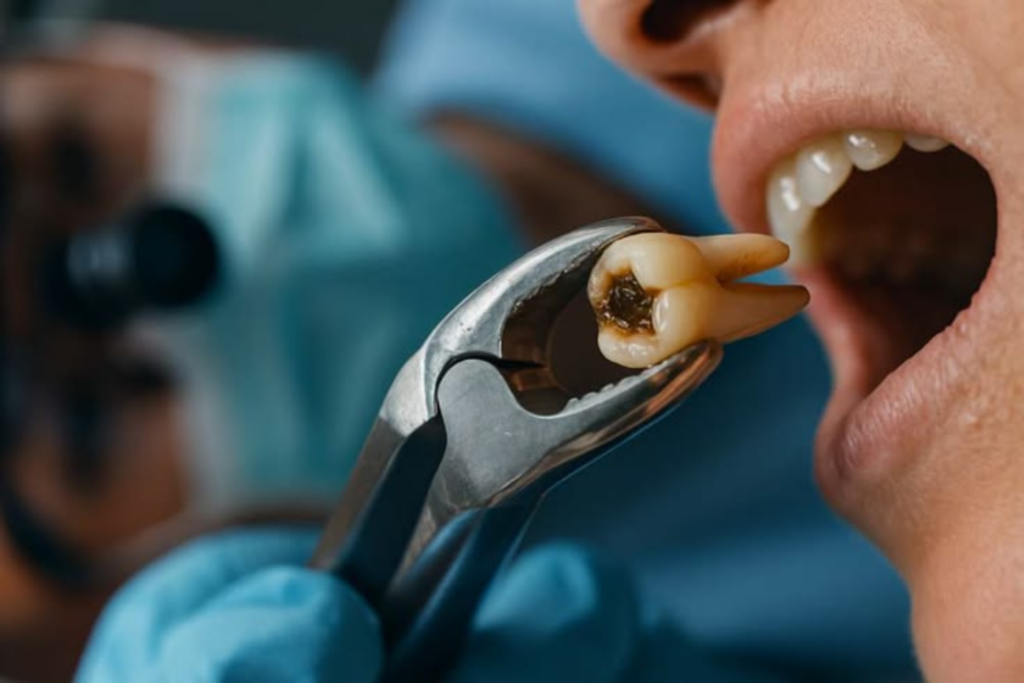
Can a Missing Tooth Be Replaced After Extraction?
Yes.
Once a tooth has been removed, the replacement options can be discussed according to the patient’s needs.
Possible options include:
- Dental implant
- Dental bridge
- Partial denture
The appropriate choice depends on factors such as:
- Number of missing teeth
- Location of the missing tooth
- Condition of neighbouring teeth
- Gum health
- Available bone
- Bite
- Overall oral health
- Treatment preferences
Tooth replacement should be planned as part of the overall treatment rather than considered separately from the extraction.
Why Is the Reason for Extraction Important?
Not every extraction has the same treatment implications.
Removing a severely decayed molar is different from removing an impacted wisdom tooth or a tooth that cannot be restored because of a fracture.
The reason for extraction affects:
- How the tooth is removed
- Whether surgical extraction is required
- Expected healing
- Whether the tooth needs replacement
- Which replacement options may be suitable
Understanding the underlying problem allows the treatment plan to address both the immediate need for removal and the long-term health of the mouth.
What Happens After a Tooth Is Removed?
Extraction is only one stage of managing a missing tooth.
After removal, the area needs time to heal. Depending on the tooth and the patient’s situation, the dentist may also discuss whether replacement is appropriate.
The longer-term plan may involve:
Extraction
↓
Healing
↓
Assessment
↓
Tooth replacement where appropriate
For a visible or functional tooth, replacing the missing tooth may help restore aspects of chewing and appearance.
The appropriate timing and replacement option depend on the individual case.
What Happens During a Tooth Extraction?
A tooth extraction begins with an assessment of the tooth and the surrounding area. Once the dentist determines that removal is appropriate, the area is prepared and local anaesthesia is used when required.
The general process involves:
- Examining the tooth and surrounding tissues
- Numbing the treatment area
- Loosening the tooth from its supporting tissues
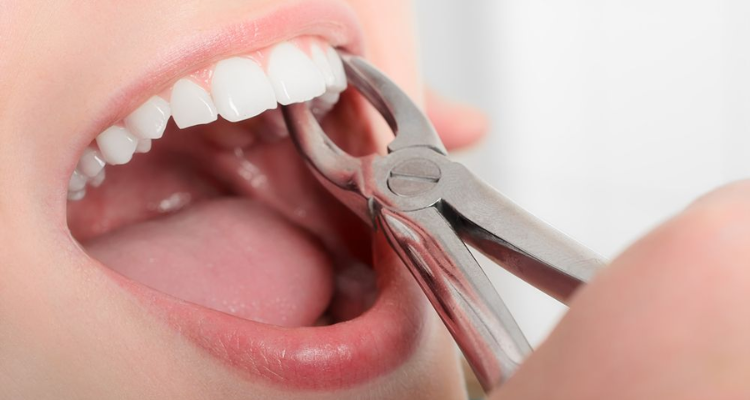
- Removing the tooth using the appropriate technique
- Controlling bleeding
- Giving aftercare instructions
The exact procedure depends on whether the tooth can be removed simply or requires a surgical approach.
How Is the Area Numbed?
Local anaesthesia is commonly used to numb the area around the tooth before extraction.
This reduces sensation during the procedure so that the dentist can work comfortably and safely.
You may still notice:
- Pressure
- Pushing
- Movement
- Vibration
These sensations can occur even when the area is adequately numb.
The dentist can check the level of numbness before beginning the extraction.
Will You Feel Pain During the Procedure?
The purpose of local anaesthesia is to prevent pain during the extraction.
You may feel pressure or movement as the tooth is loosened and removed, but you should tell the dentist if you experience pain during the procedure.
After the extraction, some discomfort is possible as the area begins to heal.
The level of discomfort can vary depending on:
- Type of extraction
- Tooth location
- Complexity of removal
- Condition of the surrounding tissues
- Individual healing response
How Long Does an Extraction Take?
There is no single time for every tooth extraction.
A straightforward extraction may take less time than removal of an impacted, fractured or difficult-to-access tooth.
Treatment time can depend on:
- Tooth position
- Root shape
- Amount of damage
- Access to the tooth
- Whether surgical access is needed
- Number of teeth being removed
Your dentist can give you a better idea of the expected treatment time after examining the tooth.
What Happens Immediately After the Tooth Is Removed?
After the tooth is removed, the dentist manages the extraction site and helps control bleeding.
You may be asked to bite gently on gauze placed over the area.
A blood clot forms in the extraction socket as part of normal healing. Protecting this clot is important during the early recovery period.
You will also receive instructions about:
- Eating
- Drinking
- Cleaning your mouth
- Physical activity
- Managing discomfort
- When to seek further dental care
What Should You Eat After an Extraction?
Choose foods that are easy to eat while the extraction site begins to heal.
Suitable choices can include softer foods that do not require heavy chewing.
During the initial recovery period, avoid unnecessarily hard, sharp or very hot foods that may irritate the area.
If the extraction was performed on one side of the mouth, chewing on the opposite side can help reduce pressure on the healing site.
Your dentist may provide additional dietary instructions based on the complexity of the extraction.
What Should You Eat After an Extraction?
Some bleeding or blood-stained saliva can occur after a tooth is removed.
The dentist may place gauze over the extraction site and ask you to apply gentle, steady pressure by biting on it.
During the early healing period:
- Follow the instructions given by your dentist
- Avoid repeatedly disturbing the extraction site
- Avoid vigorous rinsing immediately after the procedure
- Do not repeatedly spit forcefully
- Keep the area protected
If bleeding is heavy or does not settle despite following the instructions provided, contact your dental clinic for advice.
What Should You Avoid After a Tooth Is Removed?
Protecting the extraction site is important during early healing.
Avoid:
- Smoking
- Alcohol
- Vigorous rinsing
- Forceful spitting
- Touching the socket unnecessarily
- Very hard or sharp foods
- Strenuous activity when advised against it
You should also avoid disturbing the blood clot that forms within the socket.
Following the dentist’s specific aftercare instructions is more important than relying on generic recovery advice.
How Long Does It Take to Heal?
Healing occurs in stages rather than all at once.
The gum begins healing after the extraction, while deeper bone healing takes considerably longer.
The recovery period can vary according to:
- Type of extraction
- Tooth location
- Surgical complexity
- Presence of infection
- Overall oral health
- Individual healing response
A simple extraction and a surgical wisdom tooth removal should not be expected to heal in exactly the same way.
What Is Normal During Healing?
Some changes can occur during the first few days after extraction.
These may include:
- Mild discomfort
- Minor swelling
- Tenderness around the area
- Blood-stained saliva
- Difficulty chewing near the extraction site
The symptoms should generally move toward improvement rather than progressively worsening.
Severe or increasing pain, significant swelling, persistent bleeding or other concerning changes should be assessed.
What Signs Mean You Need a Dental Check-Up?
Contact your dentist if you develop:
- Severe or worsening pain
- Persistent bleeding
- Increasing swelling
- Fever
- Pus or discharge
- Difficulty opening your mouth
- Difficulty swallowing
- Persistent bad taste or odour
- Pain that becomes worse after initially improving
These symptoms can have different causes and should be evaluated rather than self-diagnosed.
What Is Dry Socket?
Dry socket is a painful condition that can occur when the blood clot that normally protects the extraction socket is lost or breaks down too early.
It can cause:
- Significant pain
- Pain that may radiate toward the ear or surrounding area
- An unpleasant taste or odour
- An extraction site that appears unusually exposed
The risk can vary according to the type of extraction and individual factors.
If significant pain develops or worsens several days after extraction, a dental examination can determine whether dry socket or another problem is present.
What Happens If the Extraction Site Gets Infected?
An infection after extraction requires professional assessment.
Possible symptoms can include:
- Increasing pain
- Swelling
- Fever
- Pus or discharge
- Persistent unpleasant taste
- Increasing tenderness
These symptoms should not be ignored.
The dentist can examine the extraction site and determine whether the symptoms are related to infection, delayed healing, dry socket or another cause.
When Can You Return to Normal Activities?
The timing depends on the type and complexity of the extraction.
After a straightforward extraction, many people can return to routine activities relatively quickly, while surgical procedures may require a longer recovery period.
Your dentist may advise temporary limitations on:
- Exercise
- Heavy physical activity
- Smoking
- Certain foods
Follow the individual instructions provided for your procedure, particularly during the first few days.
How Do You Keep the Extraction Area Clean?
The extraction site needs to remain clean without being unnecessarily disturbed.
Continue caring for the rest of your teeth as instructed.
When cleaning near the extraction area:
- Brush carefully
- Avoid directly disturbing the socket
- Follow the timing and rinsing instructions given by your dentist
- Keep surrounding teeth clean
After the initial healing period, your dentist may advise appropriate rinsing or other measures depending on the extraction.
What Happens If a Tooth Is Removed Because of Infection?
If an infected tooth cannot be predictably saved and extraction is required, removing the source of infection can be part of managing the dental problem.
However, extraction does not automatically mean that the surrounding infection has been completely resolved in every case.
The dentist may need to assess:
- Extent of infection
- Surrounding tissues
- Presence of swelling
- Whether additional treatment is required
- Whether the tooth should eventually be replaced
The underlying infection and the healing extraction site should both be monitored appropriately.
When Can You Replace a Missing Tooth?
Tooth replacement is not necessarily performed immediately after every extraction.
The timing depends on:
- Reason for extraction
- Tooth location
- Healing of the extraction site
- Gum and bone condition
- Type of replacement planned
Potential replacement options include:
- Dental implant
- Dental bridge
- Partial denture
For some patients, replacement planning can begin before the tooth is removed so that the extraction and subsequent treatment are coordinated.
What Happens If You Do Not Replace a Missing Tooth?
The consequences of an untreated missing-tooth space vary depending on its location and the individual’s bite.
A missing tooth can affect:
- Chewing
- Appearance
- Tooth contacts
- Distribution of biting forces
Neighbouring or opposing teeth may also change position over time in some situations.
Whether replacement is necessary and which option is suitable should be discussed after evaluating the entire dental situation.
How Much Does Dental Extraction Cost in Anna Nagar, Madurai?
There is no single cost for every tooth extraction.
The treatment fee can vary according to:
- Type of extraction
- Tooth location
- Complexity of removal
- Whether surgical extraction is required
- Number of teeth involved
- Additional diagnostic procedures
- Other treatment required before or after extraction
A straightforward extraction and a difficult surgical extraction involve different levels of treatment.
An examination is therefore needed before an accurate treatment estimate can be given.
What Can Affect the Cost?
The main factors include the condition and position of the tooth.
For example, the cost may differ when:
- The tooth is fully visible
- The tooth is broken below the gum
- The tooth is impacted
- Surgical access is required
- Multiple teeth need removal
- Additional dental treatment is necessary
If the extracted tooth needs to be replaced, the replacement treatment is a separate consideration and can involve additional costs depending on whether an implant, bridge or denture is selected.
Is Tooth Extraction Always the Last Option?
Not necessarily, but it should generally be considered only after determining whether the tooth can be predictably treated and maintained.
Depending on the diagnosis, alternatives may include:
Filling for suitable cavities.
Inlay or onlay for selected teeth with greater structural damage.
Root canal treatment when a restorable tooth has pulp involvement.
Crown restoration when a weakened tooth requires greater coverage.
If these options cannot provide a predictable outcome, extraction may be the more appropriate treatment.
The priority is not simply to remove a problematic tooth but to make a sound decision about its long-term prognosis.
Meet Dr. Amritha Lenin
Dr. Amritha Lenin is an Orthodontist and Aesthetic Dentist associated with Dr. Amritha’s Dentistry.
Her professional profile describes experience in general dentistry and orthodontic practice, with additional training in advanced aesthetic dentistry, laser dentistry, and digital smile design and facial aesthetics.
For an extraction, the important decision is not simply whether a tooth can be removed. The tooth should first be assessed to determine whether it is restorable, whether removal is necessary, and what treatment should follow if the tooth cannot be saved.
Why Choose Dr. Amritha’s Dentistry?
The Reason for Removal Is Assessed First
Extraction should be based on the condition and prognosis of the tooth.
Before removal, the dentist can consider:
- Extent of decay
- Tooth fracture
- Root condition
- Pulp involvement
- Gum and bone support
- Tooth position
- Overall restorability
This helps avoid treating extraction as an automatic solution for every painful or damaged tooth.
Different Extraction Situations Require Different Approaches
A visible, straightforward tooth and an impacted or fractured tooth may require very different extraction techniques.
The treatment can therefore be planned according to the individual tooth rather than applying one approach to every extraction.
Replacement Can Be Considered as Part of the Plan
When a tooth needs to be removed, the long-term effect of the missing tooth can also be considered.
Depending on the situation, options may include:
- Dental implant
- Dental bridge
- Partial denture
Planning replacement early can help connect the extraction with the patient’s longer-term oral rehabilitation.
How Is It Decided Whether a Tooth Should Be Removed?
The decision generally comes down to one central question:
Can the tooth be restored and maintained predictably?
The dentist may consider whether the tooth can be treated with:
- Filling
- Inlay or onlay
- Root canal treatment
- Crown restoration
- Other appropriate restorative care
If the tooth has a poor prognosis despite available treatment options, extraction may provide a more predictable outcome.
The decision should consider both the current condition of the tooth and its long-term prospects.
Why Is Saving a Restorable Tooth Important?
A natural tooth provides a biological and functional role within the mouth.
If a tooth can be predictably restored and maintained, preserving it may avoid the need for immediate tooth replacement.
Depending on the condition, preservation may involve:
- Removing decay
- Restoring lost tooth structure
- Treating the pulp
- Protecting the tooth with a crown
- Managing supporting gum problems
Extraction becomes relevant when preservation is no longer a predictable option or when removal is otherwise indicated.
What If the Tooth Cannot Be Saved?
When a tooth is no longer predictably restorable, removing it can eliminate the source of the dental problem.
The next step should then be considered rather than treating extraction as the end of treatment.
The dentist may discuss whether the missing tooth should be replaced and which option is appropriate.
Potential choices include:
Dental implant — replaces the tooth using an implant-supported restoration.
Dental bridge — replaces the missing tooth using suitable supporting structures.
Partial denture — provides a removable option for replacing one or more missing teeth.
The right choice depends on the patient’s oral condition and treatment requirements.
What Happens After Tooth Removal?
Once the tooth has been removed, the extraction site enters a natural healing process.
During this period, the focus is on:
- Protecting the blood clot
- Keeping the area appropriately clean
- Managing discomfort
- Watching for unusual symptoms
- Following the dentist's aftercare instructions
The longer-term plan depends on whether the missing tooth needs replacement.
For teeth that contribute significantly to chewing or appearance, replacement can be discussed once the appropriate treatment stage is reached.
How Can You Replace the Missing Tooth?
There is no single replacement option that suits every extraction case.
Dental Implant
An implant can support an individual replacement tooth and is designed to replace the tooth root as well as the visible crown portion through a staged treatment process.
Dental Bridge
A bridge uses supporting structures to hold a replacement tooth in the missing space.
Partial Denture
A partial denture is removable and can replace one or more missing teeth.
The choice can depend on:
- Location of the missing tooth
- Number of missing teeth
- Condition of neighbouring teeth
- Gum health
- Available bone
- Bite
- Overall oral health
- Treatment preferences
What Happens If You Do Not Replace a Missing Tooth?
The effect of tooth loss varies from person to person.
A missing tooth may affect:
- Chewing efficiency
- Appearance
- Tooth contacts
- Distribution of biting forces
Over time, neighbouring or opposing teeth may also change position in some situations.
However, not every missing tooth requires the same replacement approach.
A dental assessment can determine whether replacement is recommended and which option is most suitable.
How Can You Protect Your Other Teeth?
After an extraction, protecting the remaining teeth becomes particularly important.
Good long-term care includes:
- Brushing regularly
- Cleaning between teeth
- Using fluoride toothpaste
- Limiting frequent sugary foods and drinks
- Attending dental examinations
- Treating cavities early
- Addressing gum problems promptly
Preventing another tooth from reaching the point of extraction is an important part of long-term dental care.
What If You Need an Extraction Because of Gum Disease?
Severe periodontal disease can affect the tissues and bone supporting a tooth.
When support has been substantially compromised, the tooth may become mobile and develop a poor long-term prognosis.
However, extraction should not be used as a substitute for treating gum disease in teeth that can still be maintained.
Where appropriate, periodontal treatment may be considered to control gum disease and preserve suitable teeth.
If a tooth has become non-restorable or cannot be maintained predictably, removal may need to be discussed.
What If You Need Multiple Teeth Removed?
When several teeth require extraction, treatment planning becomes even more important.
The dentist may consider:
- Which teeth need removal
- The order of treatment
- Existing infections or symptoms
- Healing requirements
- Future tooth replacement
- Bite and chewing function
If multiple teeth are being removed, the extraction plan can be coordinated with the proposed replacement treatment where appropriate.
What Should You Know Before a Wisdom Tooth Extraction?
Wisdom tooth removal can involve additional considerations because of the tooth’s position and relationship with surrounding structures.
The dentist may evaluate:
- Whether the tooth is impacted
- Root shape and position
- Relationship with neighbouring teeth
- Available space
- Signs of infection or decay
- Surrounding bone and tissues
Imaging may be required to understand the position of the tooth and roots before treatment.
Not every wisdom tooth needs to be removed. The decision should be based on its condition and clinical circumstances.
How Can You Reduce Problems After an Extraction?
The first stage of healing is important.
Follow the instructions given by your dentist regarding:
- Pressure on the extraction site
- Food and drink
- Oral hygiene
- Smoking
- Physical activity
- Rinsing
- Follow-up
Do not repeatedly disturb the extraction socket.
If pain, swelling or bleeding becomes severe or starts worsening rather than improving, seek professional dental advice.
When Should You Return for a Follow-Up?
A follow-up may be recommended according to the type and complexity of the extraction.
You should also contact the dental clinic if you experience:
- Increasing pain
- Persistent or heavy bleeding
- Increasing swelling
- Fever
- Pus or discharge
- Persistent unpleasant taste or odour
- Difficulty swallowing
- Significant difficulty opening the mouth
- Pain that becomes worse after initially improving
These symptoms need assessment because the cause may be infection, dry socket, delayed healing or another problem.
Frequently Asked Questions About Dental Extractions
Extraction may be necessary when a tooth cannot be predictably restored, has severe structural damage, significant infection or another condition that makes removal appropriate.
Sometimes. Depending on the amount of remaining tooth structure and pulp condition, treatments such as a filling, root canal treatment or crown may allow the tooth to be preserved.
Local anaesthesia is generally used when appropriate to reduce pain during the procedure. Pressure and movement may still be felt.
A simple extraction is generally used when the tooth is visible and accessible and can be removed without requiring surgical access.
A surgical extraction may be required when a tooth is difficult to access, impacted, fractured below the gum or otherwise cannot be removed through a straightforward technique.
A wisdom tooth may need removal when it causes or is associated with problems such as repeated infection, significant decay, damage to an adjacent tooth or other clinically relevant conditions.
Yes, when extraction is clinically appropriate. However, a restorable infected tooth may sometimes be treated with root canal treatment instead.
Treatment time varies according to the tooth, its position, root anatomy and whether a simple or surgical extraction is required.
Healing occurs in stages, with the gum healing before deeper bone healing is complete. The timeframe varies according to the tooth and complexity of the extraction.
Soft foods that require minimal chewing can be easier to manage during early healing. Avoid foods that may irritate or disturb the extraction site.
Avoid disturbing the extraction site and follow your dentist's instructions regarding smoking, alcohol, vigorous rinsing, strenuous activity and food choices.
Dry socket is a painful post-extraction condition associated with premature loss or breakdown of the blood clot that protects the extraction socket.
Yes. Depending on the situation, replacement options can include a dental implant, bridge or partial denture.
Tooth loss can affect chewing and tooth relationships, and neighbouring or opposing teeth may shift in some cases. Whether replacement is needed depends on the individual situation.
The cost depends on factors such as the tooth's location, complexity, type of extraction, number of teeth involved and any additional treatment required. An examination is needed for an individualized estimate.
Dental Extractions in Anna Nagar, Madurai
Book an Teeth Whitening Consultation
If a tooth is causing persistent pain, extensive decay, infection, mobility or significant structural damage, an examination can help determine whether it can be saved or whether extraction is the more appropriate option.
Dr. Amritha’s Dentistry can assess the tooth, plan the appropriate extraction approach when required and discuss suitable options for replacing the missing tooth where indicated.
Dr. Amritha’s Dentistry is located at:
Vaigai Colony, Anna Nagar, Madurai, Tamil Nadu – 625020
Phone: 090032 21393
Book a dental consultation to assess whether tooth extraction is appropriate for your dental condition.
Dr. Amritha’s Dentistry
Dr. Amritha’s Dentistry,
Vaigai Colony, Anna Nagar, Madurai, Tamil Nadu – 625020
Phone: 090032 21393
Contact the clinic to schedule a consultation for Teeth Whitening in Madurai.